What Is Still Water And Why Is It Dangerous

Picture this: you’re at a chic rooftop bar in Lisbon, the sun is setting, and your friend orders a sparkling water. You glance at the menu and see “still water” listed right n...
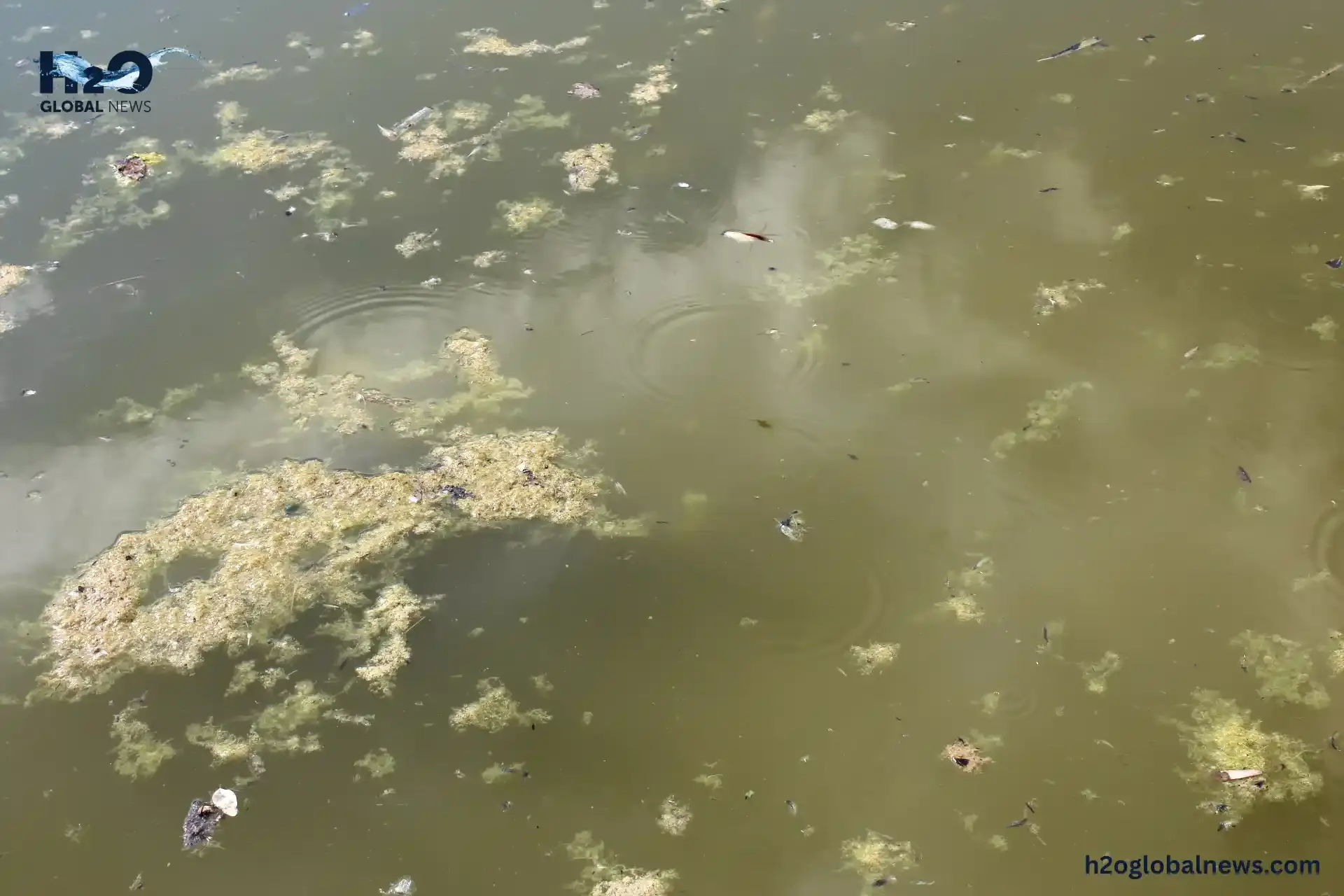
Picture this: you’re at a chic rooftop bar in Lisbon, the sun is setting, and your friend orders a sparkling water. You glance at the menu and see “still water” listed right next to it. It sounds innocent, even virtuous—pure, calm, unassuming.
But here’s the truth that travel experts and local guides rarely tell you: still water—especially from a tap or an unverified source—can be surprisingly dangerous. Let’s sip into the details.
The Quiet Menace
First, a quick definition. Still water is simply non-carbonated water—no bubbles, no fizz, just plain H₂O. It’s the default in most restaurants, hotel rooms, and homes around the world.
Must Read
Yet, in many countries—including popular destinations like Mexico, India, parts of Southeast Asia, and even rural Europe—bottled still water is the only safe bet. Why? Because local tap water often contains bacteria, parasites, or heavy metals that your unaccustomed gut hasn’t built immunity against.
The danger isn’t the water itself; it’s the invisible passengers it might be carrying. Think of it as the “quiet neighbor” who never causes trouble—until you realize they’ve been hosting a microbe party in your intestines.
The Science of Your Gut’s Panic
When you drink contaminated still water, you’re essentially inviting E. coli, Giardia, or norovirus to a pool party in your stomach. Your body responds with a rapid, unannounced evacuation—aka traveler’s diarrhea.
Fun fact: Up to 40% of travelers experience this on their first trip to a new region. It’s so common that it has nicknames: “Montezuma’s Revenge,” “Delhi Belly,” and the poetic “Pharaoh’s Curse.” Not exactly the souvenir you were hoping for.
But the risks go beyond stomach cramps. In rare cases, still water can carry cholera or typhoid in regions with poor sanitation. That’s why the CDC lists it as a top precaution for globetrotters.
When Still Water Is Your Enemy (And When It’s Not)
Let’s be fair: not all still water is dangerous. In countries like Japan, Iceland, or Switzerland, tap water is pristine—often better than bottled. The danger lies in unverified sources.
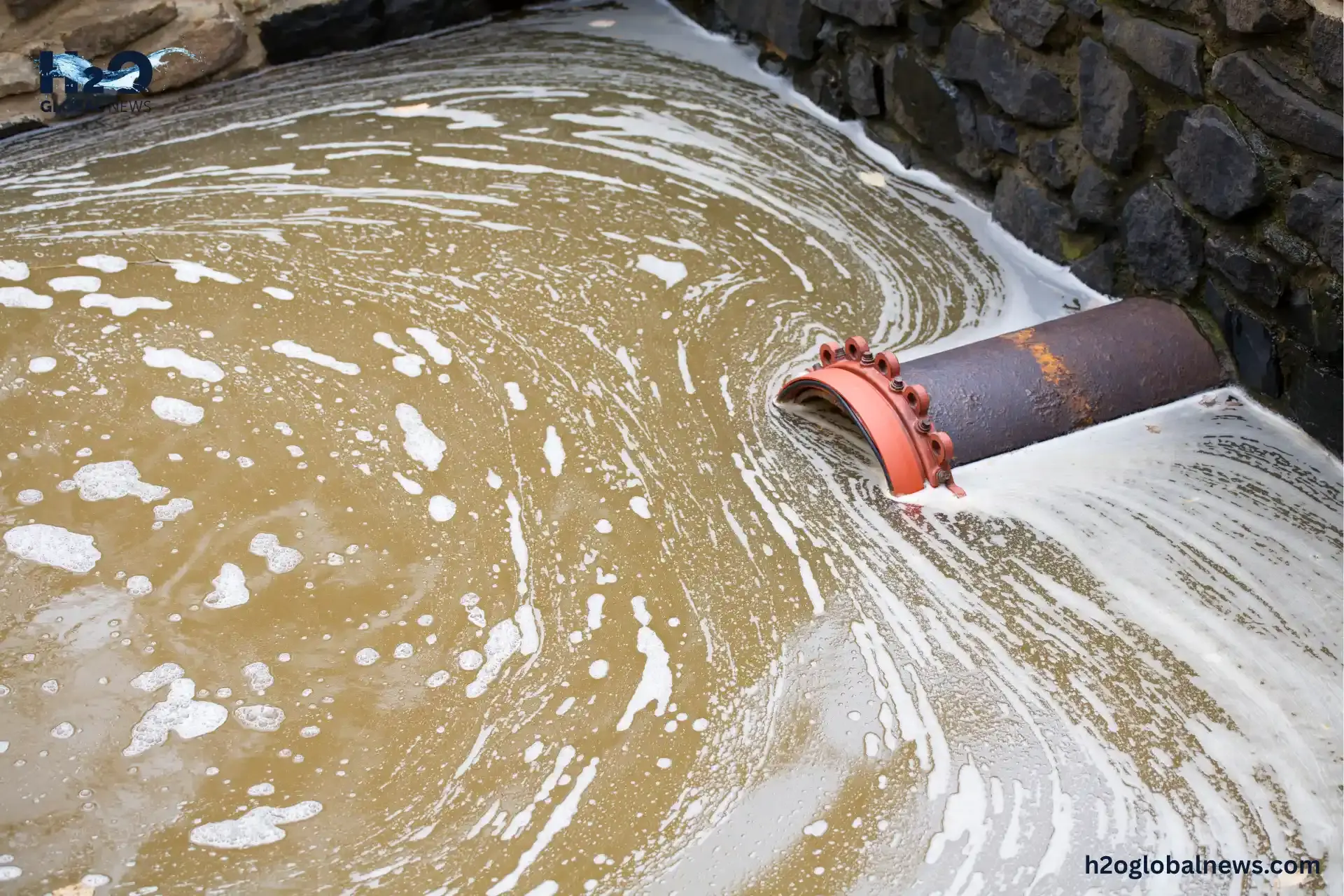 Stagnant Water: Dangers, Risks & How to Treat It | H2O Global News
Here’s a quick cheat sheet for your next adventure:
Red Flags
– Tap water in developing nations or areas with old pipes. If locals boil it, you should too.
– Refilled plastic bottles from street vendors—especially if the seal is broken. Trust your instincts.
– Ice cubes in cocktails or sodas. They’re made from tap water. A mojito shouldn’t come with an IBS sequel.
Green Flags
– Sealed, branded bottles (check the cap clicks).
– Boiled or filtered water in a reputable café. Ask politely: “Is this filtered?”
– Carbonated water—bubbles kill many pathogens. That’s why your Italian nonna always said “acqua frizzante” is safer.
The Hidden Cultural Twist
In many cultures, still water is a symbol of hospitality. In Morocco, you’ll be offered sweet mint tea—boiled water. In Turkey, they hand you a glass of tap water with a smile, assuming you’re local.
But here’s the playful irony: still water is also a status symbol. In Paris, ordering “une carafe d’eau” (a free pitcher of tap water) is perfectly chic. In New York, you pay $4 for the same thing in a glass bottle. The danger isn’t always microbial—it can be financial.
Consider the cultural moment in the movie Lost in Translation, where Bill Murray’s character sips still water in a Tokyo hotel, looking sophisticated but actually just avoiding the local tap. That’s you, now—armed with knowledge.
 Stagnant Water Is What Type of Hazard
Practical Tips for the Modern Explorer
You don’t need to become a paranoid water inspector. Just follow these five easy rules:
1. Trust the seal. If the cap doesn’t crackle when you open it, don’t drink it. Air is a sign of tampering.
2. Use a portable filter. Devices like the LifeStraw or SteriPEN turn hotel tap water into a safe sip. They weigh less than a paperback.
3. When in doubt, order sparkling. The carbonation process often kills bugs. Plus, it feels fancier.
4. Learn the local word. In Spanish, “agua sin gas” means still, but “agua embotellada” (bottled) is safer. In Thai, say “nam plao khuat.”
5. Boil it if you’re camping. A rolling boil for one minute kills most nasties. It’s the original water filter.
And a bonus fun fact: Still water is the oldest beverage on Earth. It predates humans, dinosaurs, and even wine. Yet it remains the one drink that can either heal you—or send you running to the bathroom.
A Final Reflection
So, what is still water? It’s a paradox. It’s the most essential, life-giving substance on the planet—and also a potential Trojan horse for microbes.
In daily life, we take it for granted. We turn on the tap, fill a glass, and think nothing of it. But the next time you travel, pause before you sip. Let the moment remind you that even the simplest pleasures come with a story—and sometimes, a hidden risk.
Stay curious, stay hydrated, and maybe order the bubbles. Your gut (and your vacation) will thank you.
