How To Avoid Microplastics In Bottled Water

Okay, let’s be honest. You’re probably sipping on a bottle of water right now, thinking you’re doing the healthy thing. But here’s the quiet little secret no one talks about a...
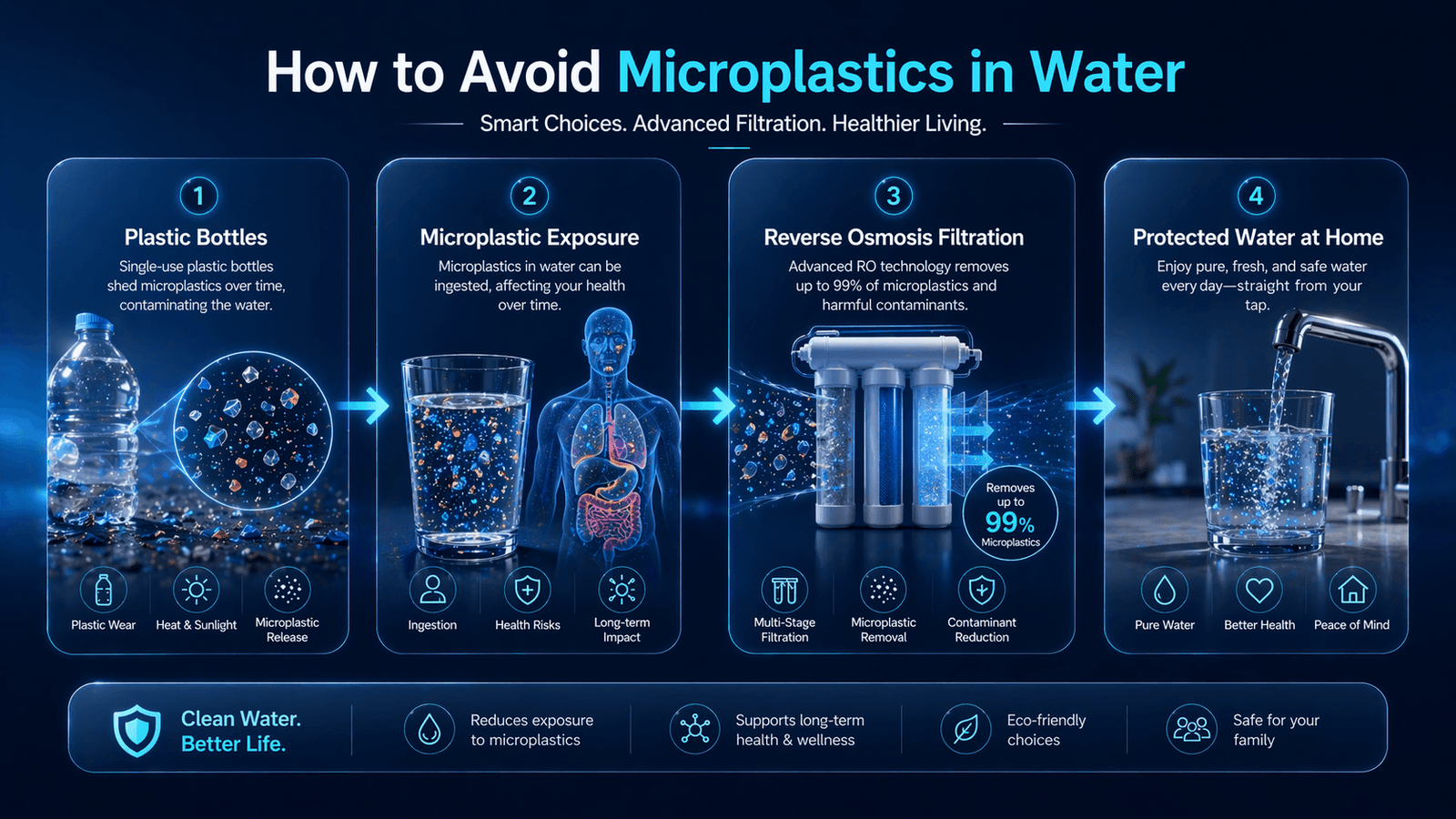
Okay, let’s be honest. You’re probably sipping on a bottle of water right now, thinking you’re doing the healthy thing. But here’s the quiet little secret no one talks about at parties: that water might be wearing a tiny plastic jacket.
We’re talking about microplastics. They’re the uninvited guests at the water party, and they’ve been sneaking in for years. But don’t worry—you don’t need to move to a cabin in the woods or drink from a rainforest leaf. You just need a few easy tweaks.
Why Should You Even Care?
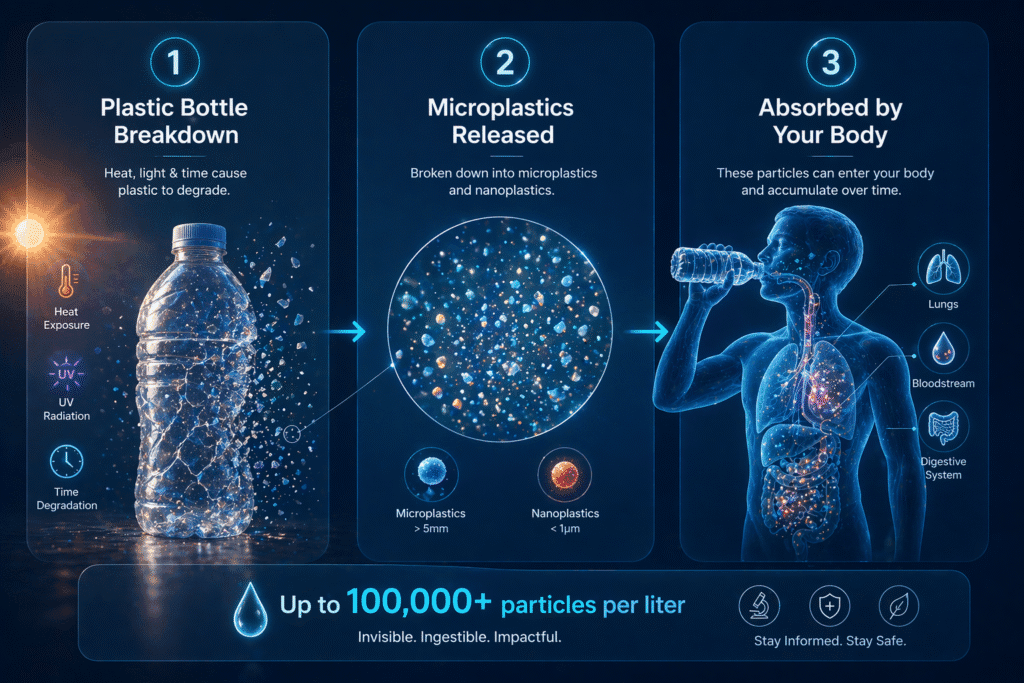
Imagine licking the bottom of a plastic takeout container that’s been sitting in a hot car. Not appetizing, right? That’s basically what happens when plastic bottles warm up in your gym bag or on a sunny park bench.
Must Read
Those tiny particles can carry chemicals that mess with your hormones, like a confusing text from an ex. Science is still sorting out the long-term effects, but why wait for the final report card? Being proactive feels way better than worrying later.
Think of your body like a cozy coffee shop. You want good vibes and clean ingredients, not microscopic glitter debris floating around. Your cells deserve the VIP treatment.
The Big Glass Swap
Here’s the easiest fix in the history of fixes: swap plastic bottles for a reusable glass or stainless steel bottle. Seriously, it’s like trading a paper napkin for a cloth one—simple, classy, and instantly better.
I bought a chunky glass bottle with a silicone sleeve two years ago. It’s been dropped, scraped, and even used as a rolling pin in a baking emergency. Not a single microplastic has dared to show up.
Metal bottles are great too, especially if you’re clumsy like me. They don’t shatter, and they keep water cold. Plus, you look like a very serious adventurer just walking to the mailbox.
 Microplastic in Water: Is Bottled Water Really Safe in 2026?
But What About Tap Water?
Your tap water is the unsung hero of this story. Most municipal water goes through rigorous testing, and it usually contains fewer microplastics than bottled water. I know, I know—it feels less glamorous.
But here’s the fun part: you can upgrade tap water yourself. A simple carbon filter pitcher (like Brita or Pur) removes chlorine, tastes, and many bigger particles. It’s like giving your tap a tiny spa day.
If you’re really into it, get a countertop reverse osmosis system. They’re like a bouncer at a club, kicking out almost everything unwanted. Your water will taste so clean, you’ll wonder why you ever paid for bottles.
The Sneaky Exceptions
Alright, life happens. You’re at the airport, or it’s 3 p.m. and you’re dying of thirst. Buying a plastic bottle is sometimes your only shot. Don’t beat yourself up about it—just be smart.
When you must buy bottled water, check the label. Avoid bottles that say “spring water” or “mineral water” if they come from regions with heavy plastic pollution. Look for brands that use glass or cardboard cartons instead.
Also, never ever leave plastic bottles in a hot car or in direct sunlight. Heat makes the plastic release more particles faster than gossip at a family reunion. That water is basically a chemistry experiment you didn’t sign up for.
 Microplastics in Drinking Water: What Experts Say You Should Know
Wash Everything Like a Pro
Even your fancy home water filter needs a little love. If you use a pitcher, wash the pitcher and filter housing every few weeks with mild soap. Build-up can become a breeding ground for bacteria, which is just rude.
And your reusable bottle? Give it a thorough scrub every day. I’m talking about a bottle brush, some hot soapy water, and a little elbow grease. A funky bottle can grow more nasties than a forgotten lunch container.
I treat my bottle cleaning like a tiny ritual. I put on a podcast, scrub the lid, rinse three times, and feel like I’ve earned a gold star. It’s oddly satisfying, honestly.
The Bottom Line (It’s Actually Fun)
You don’t need a science degree or a panic button. Avoiding microplastics in water is mostly about choosing the right container and being a little curious. Glass, steel, filtered tap—you’re already winning.
Think of it as a gentle upgrade to your daily routine, like swapping out a flickering lightbulb for a warm glow. Your body doesn’t know the difference, but it sure feels grateful.
Next time you reach for a crinkly plastic bottle, pause for a beat. Imagine pouring that water into a frosty glass mug instead. Suddenly, it tastes like victory. And you, my friend, just became the smartest person at the water fountain.
