How To Tell If My Water Softener Is Working

You’ve invested in a water softener, but is it actually doing its job? That big, cylindrical tank in your garage or basement can feel a bit like a mystery appliance—silent, hu...
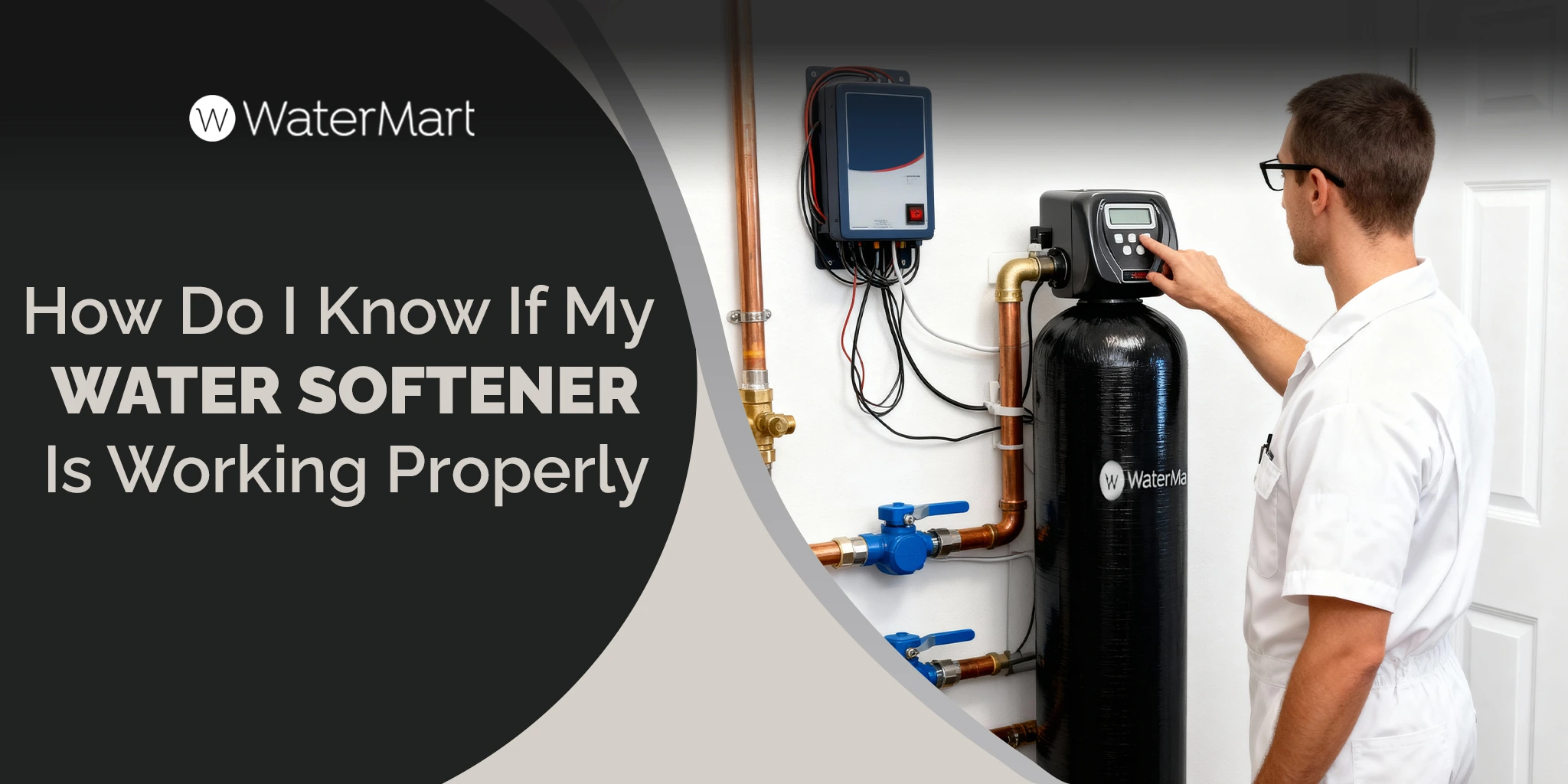
You’ve invested in a water softener, but is it actually doing its job? That big, cylindrical tank in your garage or basement can feel a bit like a mystery appliance—silent, humming, and hopefully making your life better. Let’s be real: nobody wants to be that person who’s been using unsoftened water for three months while their hair turns into straw. Here’s how to know if your system is earning its keep, with a few cultural nods and practical tips thrown in for good measure.
The Great Bubbles Test
Your first clue is in the suds department. Fill a clean glass bottle with tap water, add a few drops of liquid soap, and shake it vigorously for about 10 seconds. If you get a thick, fluffy head of foam that lingers like a tiny cumulonimbus cloud, your softener is likely working. Sorry to break it to you, but if the water just goes cloudy and then fizzles out—like a flat soda at a party—you’ve got hard water. Hard water hates soap, so a lack of lather is a dead giveaway.
Think of it as a tiny barista test. Your soap is the espresso, and the hard water is that coworker who ruins the morning brew with stale beans. Nobody needs that energy.
Must Read
The Prune-Finger Paradox
After a shower, take a look at your hands. If they feel squeaky clean—like rubbing a clean plate—that’s a good sign. But here’s the trick: squeaky means soft. Hard water leaves a film of soap scum on your skin, making it feel sticky or tight, like you’ve been covered in cling film. Soft water rinses that film away, leaving your skin smooth and your fingers like… well, normal-looking fingers.
Fun fact: “Squeaky” skin is actually your natural oils being stripped, so some people prefer a little moisture. But if you’re getting that squeak, your softener is active. Just don’t blame it when your skin feels like a dolphin—that’s a sign of success.
The Salt Scandal
Your water softener runs on salt, and it’s the drama queen of the system. Check the brine tank—you know, the one that looks like a mini trash can. If the salt level is dropping consistently, your softener is regenerating properly. If the salt looks like an untouched cake at a holiday party—still full, no craters—then something is off. The unit might be stuck, or the timer is broken.
A practical tip: set a monthly phone reminder to peek inside. Don’t just trust the “add salt” light, because sometimes lights lie like a reality TV star. Low salt = hard water, and nobody wants hard water on their towels.
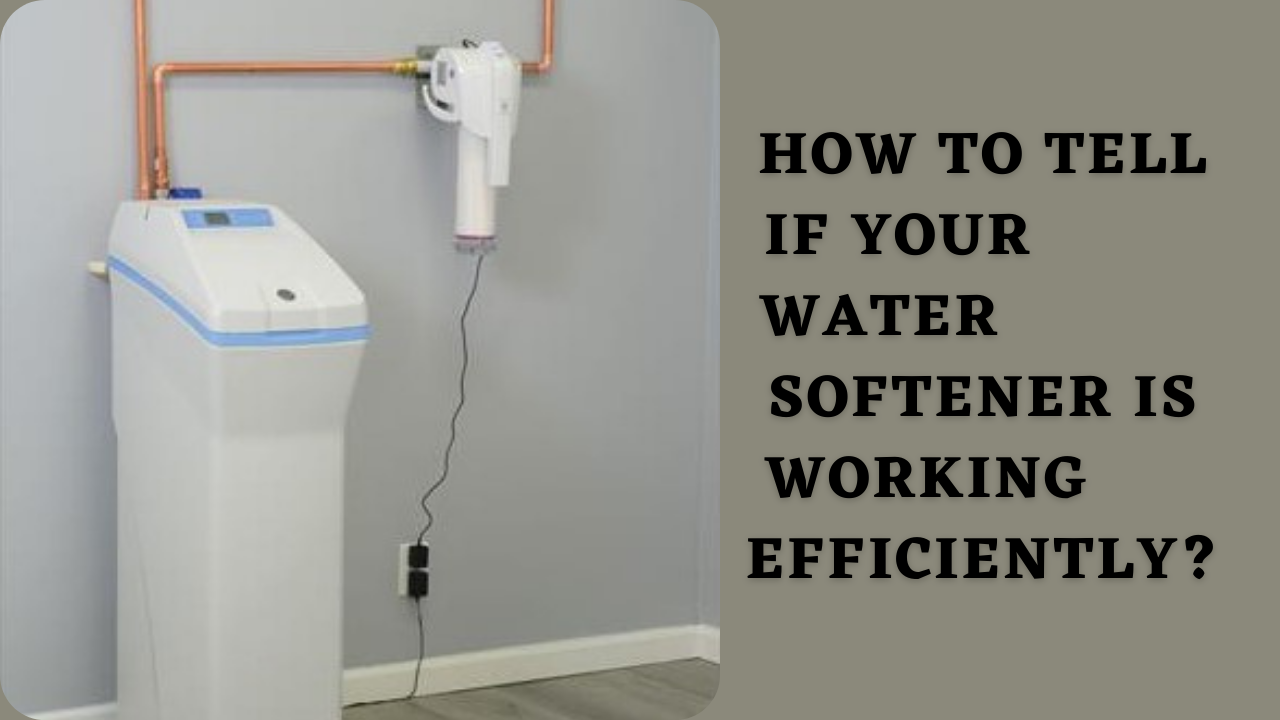 How To Tell If Your Water Softener Is Working Efficiently? (Easy to
The Spotty Glass Conspiracy
Take a clean glass from your cupboard. Rinse it under the tap, then let it air dry. If you see spots or a white, powdery film, your softener is phoning in sick. Those spots are calcium and magnesium deposits—the very minerals a softener is supposed to remove. A working softener gives you crystal-clear, spot-free glassware that looks like it belongs in a museum.
This is the ultimate “tell” at a dinner party. Your friends will judge you if their wine glass looks like it’s been snowed on. It’s 2024; we deserve better than ghost-like residue.
The Limescale Confession
Look at your kettle, coffee maker, or showerhead. If you see a white, crusty buildup that resembles a geological formation, your softener is failing. Limescale is the enemy of all appliances—it kills your water heater, chokes your faucets, and makes your coffee taste like a miner’s boot. A working softener stops limescale in its tracks.
Pro tip: if your showerhead starts spraying like a geyser—wild and all over the place—that’s limescale clogging the nozzles. Soak it in vinegar to clean it, but then check your softener. Don’t let your bathroom turn into a mini Stonehenge.
 How to Tell if Water Softener is Working Properly? (Major Signs
The Feel Factor
Tangible touch points matter. Wash your hands—does the water feel oddly slippery or silky? That’s the soft water magic. Hard water feels wetter, more granular, like little mineral grains on your skin. Soft water has a “slick” quality that’s almost playful. It’s the difference between sliding into a silk robe versus a wool blanket.
A pop culture reference for you: remember in The Big Lebowski when The Dude’s rug ties the room together? Well, soft water ties your shower together. If your skin feels sticky, your rug is a lie.
The Practical Toolkit
If you’re still unsure, grab a water hardness test strip from any hardware store. Dip it, wait 30 seconds, and compare the color to the chart. If it’s dark blue or purple, you have hard water. If it’s light green or yellow, your softener is a hero. This is the scientific equivalent of reading a restaurant’s health score—reassuring and necessary.
Also, listen for the regeneration cycle. Most softeners kick in at 2 AM, making a gentle swooshing sound like a giant breathing in a tub. If you never hear it, your timer might be smashed. Set an alarm for late one night and creep down to your basement like a detective. It sounds unhinged, but it works.
A Short Reflection on Daily Life
Here’s the thing: a working water softener is like a good friend—quiet, reliable, and mostly invisible when it’s doing its job. You don’t notice it until the day it fails, and then suddenly your towels feel like cardboard and your hair looks like you’ve been through a wind tunnel. Testing your softener is an act of self-care. It’s a five-minute ritual that saves you from dry skin, dull dishes, and expensive plumbing repairs. So go shake a bottle, check a glass, and listen for that midnight swoosh. Your home—and your morning coffee—will thank you. And remember: soft water doesn’t just feel good; it lets you live a little easier.
