Why Is My Well Water Black All Of A Sudden

So, there I was, last Tuesday morning, still half-asleep, reaching for a glass of water from the tap. I filled it up, took a big gulp, and promptly spit it out all over the si...
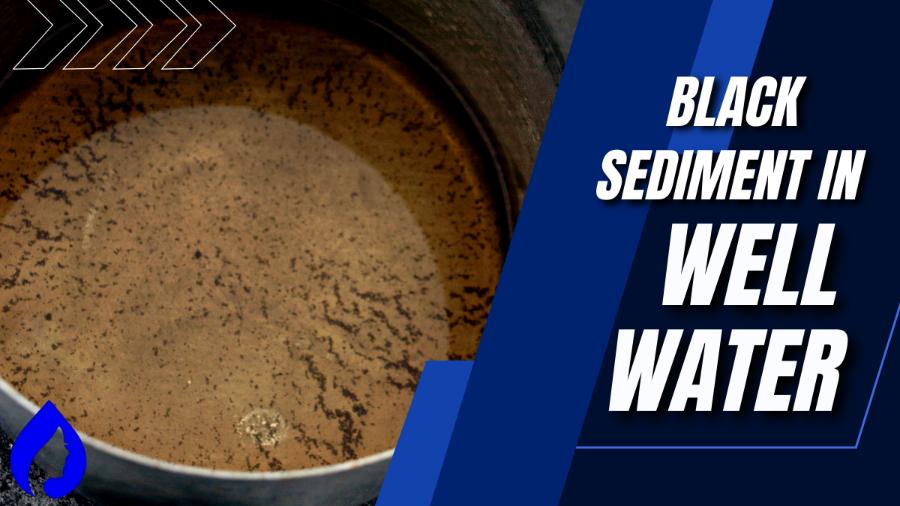
So, there I was, last Tuesday morning, still half-asleep, reaching for a glass of water from the tap. I filled it up, took a big gulp, and promptly spit it out all over the sink. It was black. Not a little cloudy or a bit sandy—I’m talking licorice-black, Vantablack, absinthe-of-the-underworld black. I stood there, staring at the glass like it was a magic trick gone horribly wrong. “Well,” I muttered to myself, “this is new.” And if you’re reading this, you’re probably staring at your own black water right now, wondering if you need to call an exorcist or a plumber. Spoiler: it’s usually the plumber.
Let’s get one thing straight—your water turning black out of nowhere is terrifying, but it’s rarely a sign that your well is possessed by a demon. (Though I wouldn’t blame you for checking.) More often than not, it’s a physical issue, a chemical reaction, or a bacterial party happening deep underground. The suddenness is what freaks us out, right? Like, you’ve been drinking perfectly clear water for years, and then—bam—suddenly it looks like a cup of squid ink. Don’t panic. Let’s troubleshoot this together.
The Most Likely Suspect: Manganese or Iron
Your best bet? Manganese or iron deposits. Seriously, these two are the usual troublemakers. When water sits in your pipes or pressure tank for a while, these minerals can settle out, then get disturbed (by, say, a heavy rain or a big water draw), and boom—black or dark brown water comes roaring out. Think of it like a cloudy Pinterest-fail latte: the “coffee” (your water) is fine, but the “espresso shot” (the manganese) settled at the bottom and now it’s all mixing in. If your water is black but clears up after running for a minute or two, this is your culprit. You’re welcome.
Must Read
But here’s the kicker: manganese is sneaky. It can cling to your pipes, then suddenly drop off in a big chunk, making the water look like it’s been used to brew dark magic. (Side note: don’t drink that chunk—it tastes like pennies and regret.) The fix is often a simple sediment filter or a water softener with a manganese filter. But first, let’s check if it’s something else, because this story gets more dramatic.
Or Is It That Creepy “Sulfur” Bacteria?
Okay, so your water is black and it smells like a rotten egg omelet that’s been left in a hot car? Yikes. That’s a classic sign of sulfur-reducing bacteria. These little guys don’t hurt you—they’re not dangerous to drink—but they produce hydrogen sulfide gas, which reacts with iron to form black iron sulfide. The result? Water that looks and smells like a swamp. Running it for a while might clear the color, but the smell? That lingers like a bad house guest. You’ll need a chlorine injection system or an aeration treatment to kick those bugs out. (Personal note: don’t try to “wait it out.” I did that for three days, and my shower smelled like a science experiment.)
 Water Filter Guru - Water Treatment Experts
But let’s talk about the sudden part. Did you have a big rainstorm recently? That’s the classic trigger. Heavy rain can wash surface water (and the bacteria living in it) straight into your well casing, especially if the cap is cracked or the casing is shallow. One good storm, and bam—your water turns into Gotham City sewage. Check your well cap! It should be sealed tight. If not, you’ve got a backstage pass for the bacteria show.
What About a Dead Pump or Crumbling Pipes?
Here’s the less common, but scarier, reason: your well pump is dying, or your pipes are rusting out. I know, I know—please don’t be this. But if the water stays black even after running for five minutes, or if you notice a gritty, metallic texture, your pump might be grinding against the well casing, releasing black rubber or steel debris. Alternatively, older galvanized steel pipes can corrode from the inside, shedding black flakes like a snake shedding skin. (Ugh, sorry for that image, but it’s accurate.) This is the nightmare scenario where you call a professional, not a filter store.
 Why is Black Sediment in Well Water? + How to Get Rid of It
Quick test: fill a white bucket with water. If the black particles settle to the bottom as a fine silt, it’s probably manganese. If they float or look like little black flecks, it’s likely pipe rust or pump debris. If the water is black but completely clear in a glass (no particles), that’s often dissolved manganese reacting with your bleach-based laundry detergent—yes, that happens. (Don’t you love when your washing machine becomes a chemistry lab against your will?)
The One Time It’s a Good Sign (Sort Of)
I’m about to blow your mind: sometimes, black water is a temporary blessing. If you just replaced your water heater or flushed your system, the black gunk is just scale and sediment that got dislodged. It looks awful, but it means you’ve cleaned out the crud. Let the water run for ten minutes, and it should go back to normal. If it doesn’t? Well, then you’re back with the evil spirits. Just kidding—it’s iron or manganese. But seriously, take a deep breath. Black water is scary, but it’s rarely the end of the world. (Unless you own a white sink. Then it’s a little bit the end of your sink’s aesthetic.)
So, what’s your next step? Grab your phone, call a well service company, and tell them, “My water is black and I need someone to come out, like yesterday.” In the meantime, don’t drink it, don’t wash your white laundry in it, and definitely don’t use it to make coffee. You deserve better. And hey, at least now you have a story to tell—just make sure the punchline doesn’t involve a water pump replacement bill. Good luck out there.
