What Does Regenerating A Water Softener Do

So, you own a water softener. That magical box of salty science that turns your "hard" water—which sounds tough and cool, like a detective—into something that won't destroy yo...

So, you own a water softener. That magical box of salty science that turns your "hard" water—which sounds tough and cool, like a detective—into something that won't destroy your pipes. But then you hear it: that ghastly gurgle in the middle of the night. It's not a ghost; it's your poor machine regenerating.
You might be thinking, "What on Earth is that racket, and is it drinking my paycheck in salt?" Let’s pull back the curtain on this soggy ritual. I promise, it’s less boring than watching paint dry—though only slightly more interesting than watching paint regenerate.
The Secret Life of a Water Softener
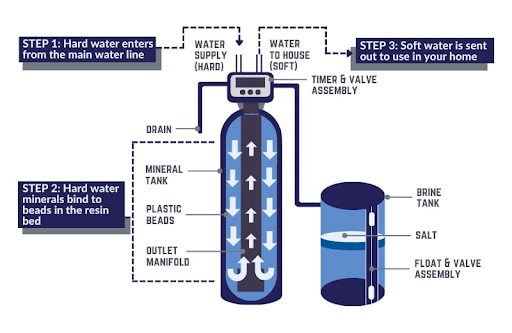
Your water softener is basically a lazy slacker that gets a second wind every few days. Inside, it’s full of tiny resin beads that act like magnets for the calcium and magnesium that make your water "hard." These beads are greedy little goblins; they grab those minerals and refuse to let go.
Must Read
But here’s the kicker: those beads can only hold so much. After a few days of bathing your family and washing your dishes, they get stuffed. They’re like you after Thanksgiving dinner—completely useless until they purge.
That’s where regeneration comes in. It’s the water softener’s way of saying, “I ate too much, time to hit the gym and take a salt bath.”
The Epic Salt Flush (Aka the Regeneration Cycle)
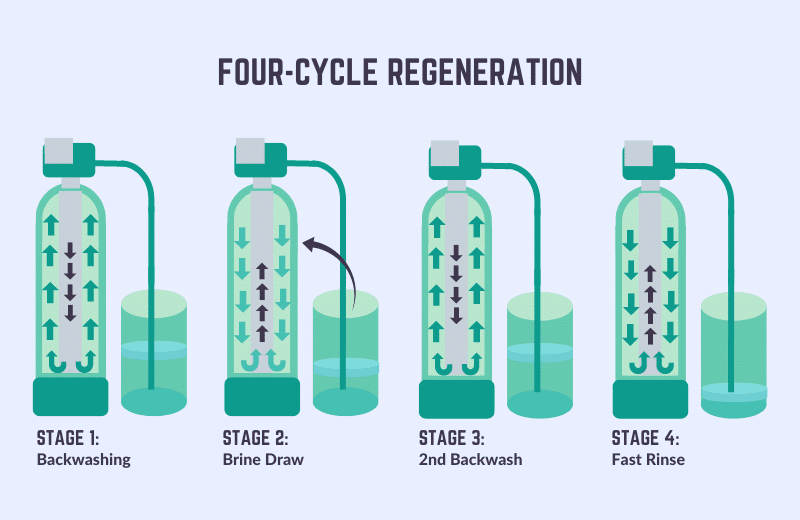
Regeneration is a four-step circus act. First, it backwashes: flushing out all the nasty sediment and loose junk that floated into the tank. Think of it as your machine blowing its nose after a dust storm.
Then comes the brine rinse. This is the main event. The softener pulls salty water from a separate tank—we’re talking a brine soup so strong it would make a pretzel jealous. This salty tsunami floods the resin beads and throws the calcium and magnesium off like a bouncer at a nightclub.
Here’s a surprising fact: the salt doesn’t just "wash" the beads. It uses a little trick called ion exchange. The sodium ions literally swap places with the hard minerals. It’s science’s version of a prisoner exchange, but with fewer helicopters.
Finally, the softener rinses and refills. It flushes away the brine-and-mineral mixture down the drain, then tops off the water tank. The beads are now clean, fresh, and ready to trap more hardness until you hear that gurgle again.
 Can I Use Water While a Water Softener is Regenerating?
Why You Shouldn't Fear the Gurgle
Without regeneration, your water softener is a paperweight. The beads stay full of minerals, and your "soft" water turns back into a gritty mess. Your dishes get spots, your hair feels like straw, and your pipes start singing a sad, limescale-filled tune.
Also, here’s a fun stat: regenerating uses about 50 gallons of water per cycle. That sounds like a lot, right? But compared to the thousands of gallons of hard water it treats between cycles, it’s a drop in the bucket—literally, a salty drop.
And get this: modern smart softeners regenerate on demand based on actual water usage. They’re like a picky eater who only eats when hungry, not a glutton who regenerates every Tuesday at 2 AM like a clockwork maniac.
The Mt. Saltmore Problem
But regeneration has a dark side. Ever heard of Mt. Saltmore? That’s what I call the pile of salt residue left behind when your brine tank gets clogged. If you don’t clean the tank occasionally, the salt can harden into a giant brick that laughs at your attempts to scoop it out.
Also, the water that gets flushed down the drain is super salty. If you have a septic system, too much regeneration can kill the helpful bacteria in your tank. It’s basically a tiny environmental disaster, but in your backyard.
Pro tip: use potassium chloride instead of sodium salt if you’re worried about the environment. It costs more, but you’ll sleep better at night knowing you didn’t accidentally salt the earth near your leach field.
 Water Softener Systems | The 2026 Guide to Water Softeners
What Regeneration Does for Your Life (Besides Noise)
When your softener regenerates, it’s not just a maintenance chore. It’s the reason your water feels silky, your soap lathers like a Jacuzzi of joy, and your plumbing stays free of limescale that looks like geological formations.
In fact, hard water can cut your water heater’s efficiency by up to 48% over time. That’s like paying for a fancy steak dinner but getting a soggy hot dog. Regeneration prevents that by keeping the minerals from building up in your pipes.
So, next time you hear that gurgle, don’t curse it. Raise a glass of delightfully soft water and toast the hardworking beads. They’re doing the heavy lifting so your hair doesn’t have to.
A Sentimental Goodbye to the Brine
If you ever want to feel like a water wizard, watch your softener regenerate. It’s a mesmerizing ritual of water rushing, salt dissolving, and minerals fleeing in shame. You’ll feel powerful, like a guardian of good plumbing.
Just don’t stand too close when it flushes—you might get a salty surprise. And remember: regeneration isn’t a failure; it’s a rebirth. Your water softener is basically a phoenix, rising from a puddle of brine.
Now go give your softener a pat on its metal tank. It earned it. And maybe add some salt—it’s thirsty again.
