Does Distilling Water Remove Microplastics

So, picture this: last Tuesday, I’m staring at my trusty old kettle, convinced it’s plotting against me. I’d just read a headline about microplastics in tap water, and I could...
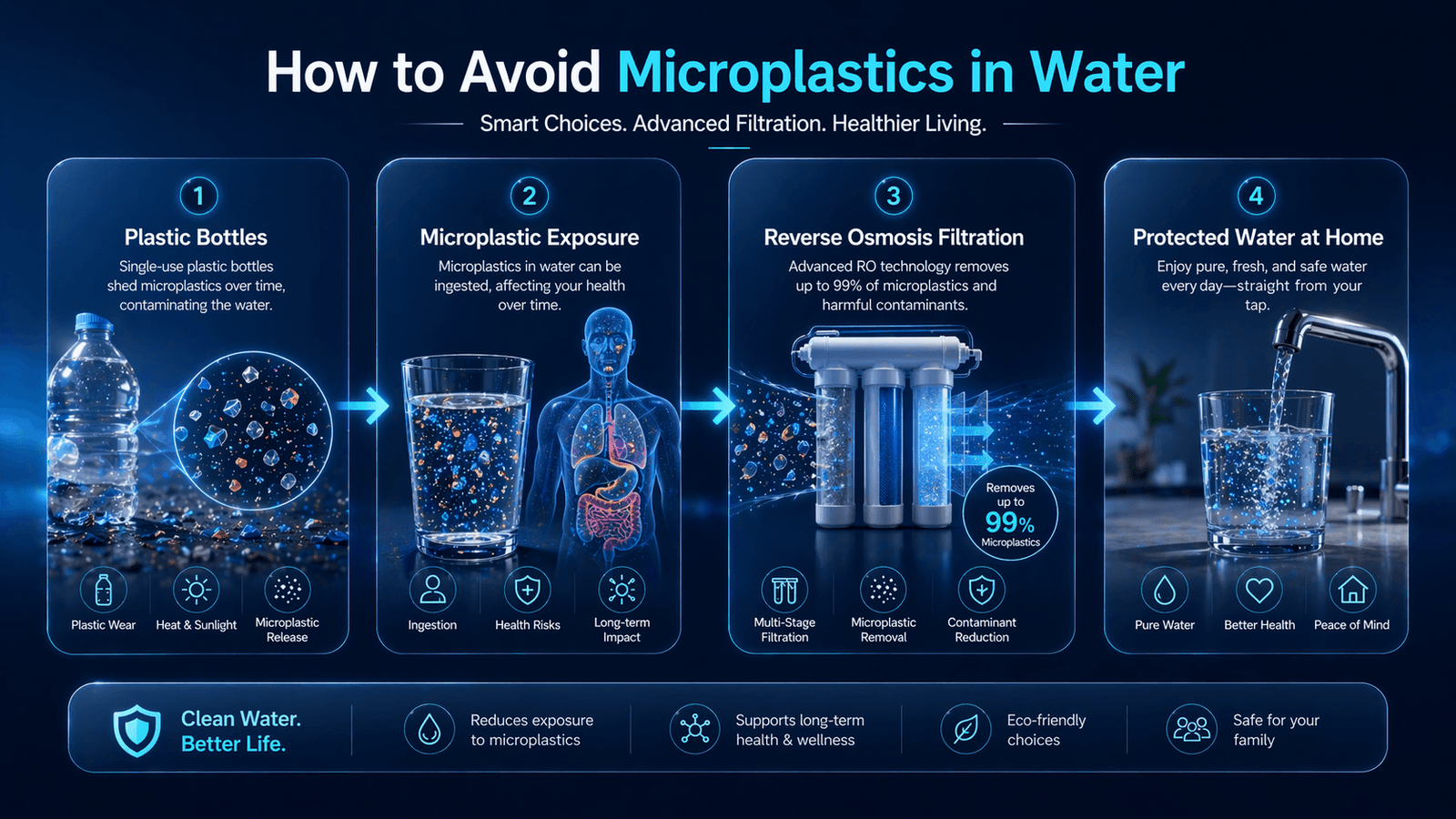
So, picture this: last Tuesday, I’m staring at my trusty old kettle, convinced it’s plotting against me. I’d just read a headline about microplastics in tap water, and I could practically see tiny plastic shards doing a synchronized swim in my morning tea. I thought, “Aha! I’ll just distill this water—boil it into steam and collect the pure stuff. Problem solved, right?”
Well, hold your horses (and your water bottles), because the answer is both surprisingly simple and infuriatingly complicated. You see, distilling water does remove the vast majority of microplastics—like, 99.9% of them. But it’s not the magic bullet you might think. Let’s break it down, shall we?
The Physics of Tiny Plastic Sneakiness
Here’s the nerdy part—but I promise it’s cool. When you boil water, the liquid turns to vapor, leaving behind almost everything that’s not water: minerals, heavy metals, and yes, those microplastics. The steam rises, chills back into liquid, and you get gloriously clean water. Plastics don’t evaporate—their boiling points are way higher than water’s, so they stay put like unwanted guests at a party.
Must Read
But here’s the kicker: some microplastics are so tiny (we’re talking nanoplastics, the size of a virus) that they can sneak along in tiny water droplets during boiling. It’s like when you try to jump over a puddle and still get your socks wet—some droplets just carry the plastic along for the ride. Still, studies show that even with this “droplet carryover,” distilled water has way fewer plastics than tap or even bottled water.
So, in a straight-up “does it work?” sense: yes, distillation is a rockstar. But it’s a fussy rockstar that needs a bit of gear and patience.
But What About the “After”? (You Know, the Devil in the Details)
Okay, so you’ve distilled your water. Great! Now you pour it into a plastic pitcher or a reusable bottle. Boom—you’ve just re-contaminated it. The irony is thick enough to slice. Microplastics are everywhere—in the air, on your fingers, and definitely on the surface of your plastic container. I once distilled a whole liter, proudly poured it into a fancy glass carafe, and then realized the carafe’s lid was plastic. Facepalm.
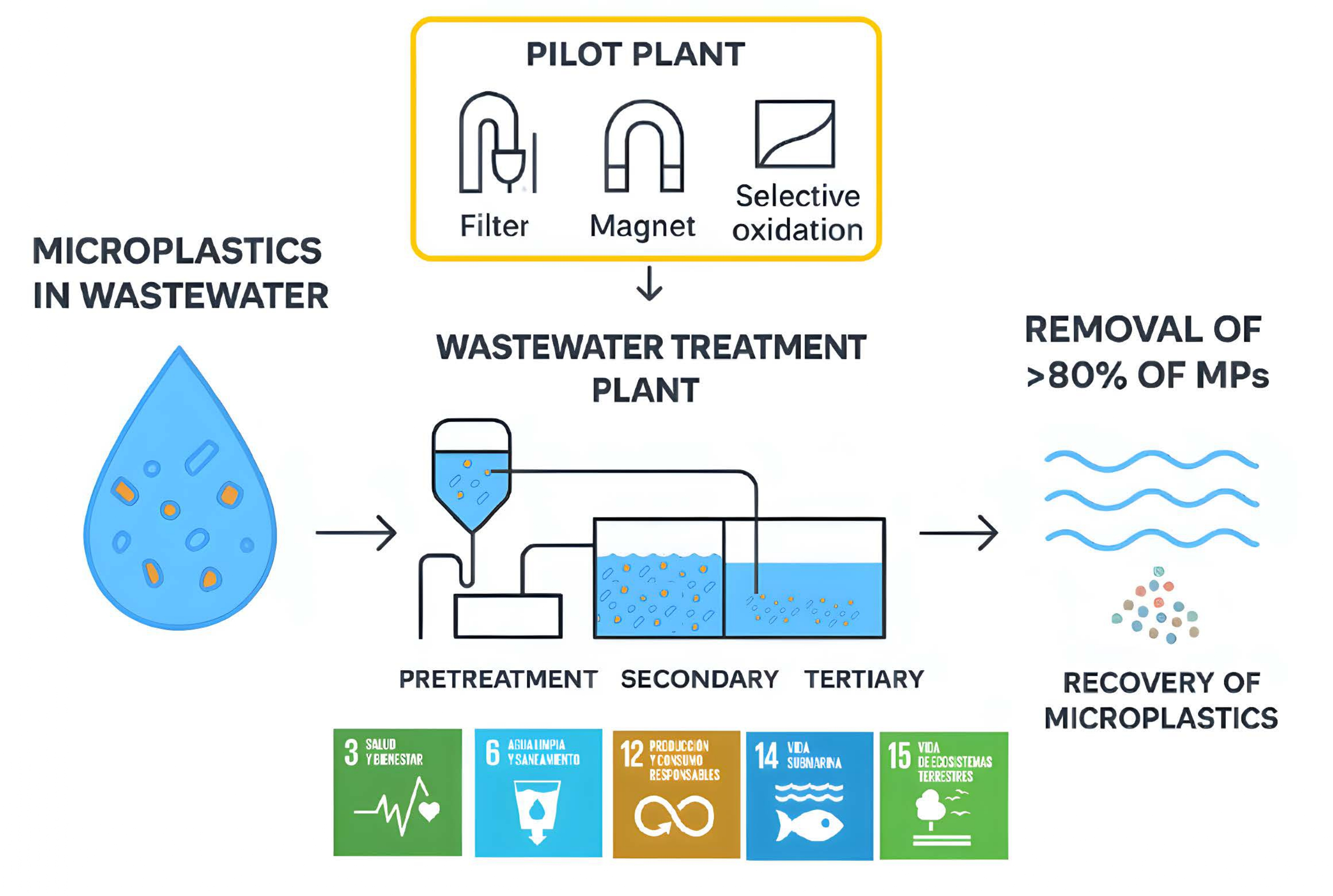 Evaluation of the Presence of Microplastics in Wastewater Treatment
And let’s not forget that distillation strips out good stuff too, like calcium and magnesium. That’s why some people call distilled water “dead water.” It’s not harmful to drink, but it’s a bit like eating plain white rice—nutritionally empty. If you’re distilling for health reasons, you might want to add a pinch of mineral salt afterward.
Still, if your goal is to dodge plastic specks, distillation beats almost every other method—except for advanced reverse osmosis systems. But those cost as much as a small vacation, while a decent countertop distiller runs you about $100. Not bad for peace of mind, right?
The Honest, Ironic Verdict
Look, I’m not here to sell you a distiller. I’m just a guy who got weirdly fixated on plastic and water. Here’s the truth: distillation works, but it’s only one piece of the puzzle. You can distill the cleanest water on Earth, then pour it into a plastic cup and—bam—you’re back to square one. It’s like washing your hands and then immediately touching a doorknob. The universe is basically a cruel joke.
 How to Remove Microplastics From Water
So, my advice? If you’re genuinely worried about microplastics (and let’s be real, who isn’t?), go ahead and distill. But also switch to glass, stainless steel, or ceramic containers. Don’t let the perfect be the enemy of the good. And maybe, just maybe, accept that we all consume a credit card’s worth of plastic every week. It’s gross, but panic won’t help.
A Final, Slightly Cynical Side Note
You know what’s even more ironic? Most of the microplastics in our water come from synthetic clothing, tire dust, and plastic packaging—things distillation can’t fix at the source. So while you’re boiling your water, the planet is still shedding plastic like a golden retriever in summer. Distilling treats the symptom, not the disease. But hey, clean water feels like a small victory in a world that’s literally crumbling into microfibers.
So, go ahead. Distill your water, laugh at the absurdity, and maybe buy a glass bottle. And if you spot a tiny plastic speck floating in your freshly distilled batch? Just pretend it’s a rebellious plankton. We’re all just doing our best.
