How Does Fecal Coliform Get Into The Water

Let’s talk about something a little gross but surprisingly fascinating: fecal coliform in your water. Yes, it’s a fancy term for poop germs, and it’s more common than you migh...

Let’s talk about something a little gross but surprisingly fascinating: fecal coliform in your water. Yes, it’s a fancy term for poop germs, and it’s more common than you might think. But don’t worry—I’m here to walk you through how it gets there, with a smile and maybe a laugh or two.
Imagine your morning cup of coffee. You’re feeling good, sipping away. Now, imagine a little uninvited guest—a bacteria from, well, a bird’s you-know-what—decides to hitch a ride into that water. Suddenly, your cozy morning feels a bit less cozy, right? That’s fecal coliform doing its sneaky work.
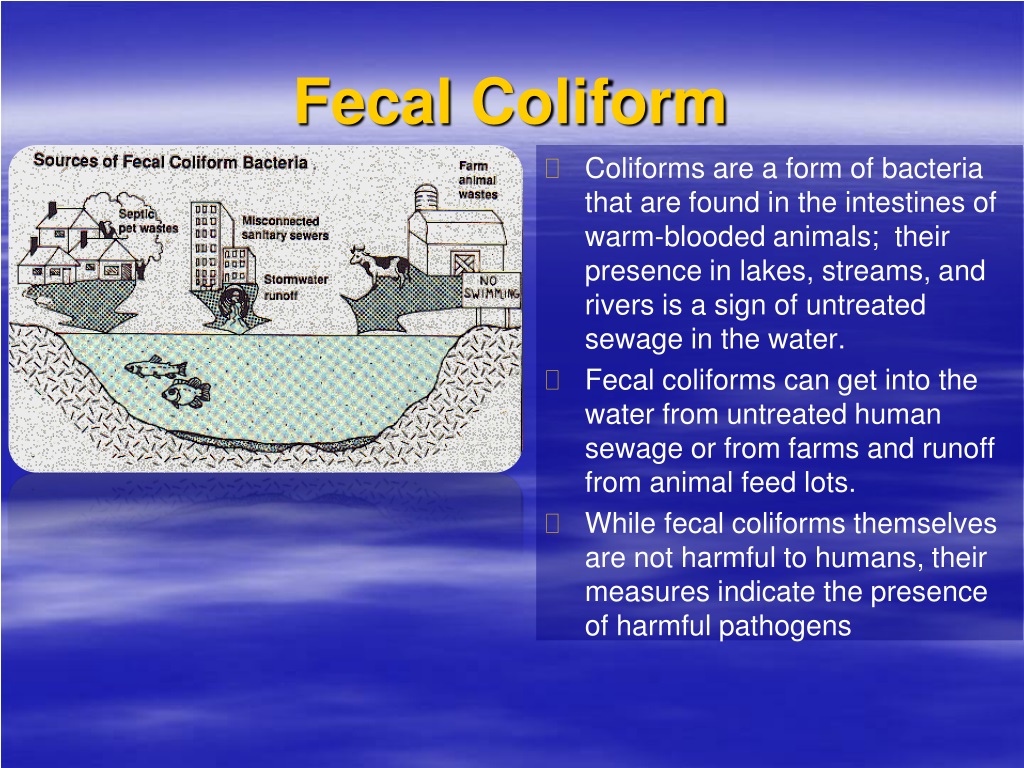
These bacteria are naturally found in the intestines of warm-blooded animals—us, your dog, the neighbor’s cat, and even that cute squirrel in the park. They end up in water when poop gets washed into lakes, rivers, or streams. It’s not glamorous, but it’s life.
Must Read
How Does It Actually Get There? Let’s Break It Down
Picture a heavy rainstorm. You’re cozy inside, but outside, rainwater is rushing over lawns, streets, and farm fields. That water picks up everything in its path, including pet waste left on the grass or manure from cows or chickens.
Next thing you know, that nasty soup flows into storm drains and then into your local swimming hole or drinking-water source. Yep, all that invisible gunk just hitched a ride.
Old or broken septic systems are another classic culprit. If your neighbor’s septic tank is leaking—not a dinner topic, I know—that untreated sewage can seep into groundwater. You might be sipping on it without ever knowing.
The Poop Parade: Who’s Marching Into Your Water?
Let’s meet the usual suspects. First up: wildlife. Geese on the golf course? They leave deposits everywhere, and rain scrubs that right into nearby ponds. Thanks, guys!
Next: pets. That missed scoop after Fido’s walk can become a real problem. One poop on the sidewalk? Rain washes it into the gutter, and that gutter leads straight to a creek.
And don’t forget farm animals. Cows in a pasture near a stream? Their manure can directly plop into the water. It’s like a gross buffet for bacteria.
 Coliform Bacteria- Characteristics, Examples, Identification
Why Should You Care? (Spoiler: It’s Not Just Gross)
Fecal coliform itself isn’t always dangerous—think of it as a red flag. It tells us there might be nastier germs lurking, like E. coli or hepatitis. Drinking that water could give you a nasty stomach bug or worse.
Remember that time you swallowed a mouthful of lake water while swimming? You probably got a little queasy later. That’s fecal coliform waving hello, my friend.
It also messes with your fun. Beaches get closed, fishing spots get warnings, and kids can’t splash in the kiddie pool. That’s no way to spend a summer day.
A Little Story: The Day the Creek Turned Brown
I live near a small creek. Last spring after a huge rain, it turned a murky brown. My neighbor, Mike, said, “Bet there’s a lot of goose gifts in that water.” He was right—the local park was overrun with geese, and their gifts floated right into the creek.
We tested the water, and sure enough, fecal coliform levels were off the charts. The creek was closed for weeks. Mike’s joke wasn’t so funny when we couldn’t even let our dogs near it.
That’s the thing—you might not see it, but it’s there. And it’s a reminder that we’re all connected to our environment in messy, real ways.
 PPT - Water Quality & Testing PowerPoint Presentation, free download
What Can You Do? (Because You’re Awesome Like That)
You don’t need a lab coat to make a difference. Pick up your dog’s poop every single time—even in the woods. It’s a small act that keeps your local water cleaner.
If you have a septic tank, get it inspected every few years. Think of it like a checkup for your home’s plumbing. Your water will thank you.
Also, don’t feed the geese at the park. I know it’s fun, but those birds produce a lot of waste. Less bread means less poop in the pond.
The Bigger Picture: We’re All In This Together
Finding fecal coliform in water isn’t a disaster if we stay aware. It’s nature’s way of saying, “Hey, something’s off here.” And we can fix it, as long as we care enough to act.
So next time you see a sign that says “beach closed due to bacteria,” don’t just sigh. Think of the geese, the septic tanks, and the rain. Then think about how your little actions—like scooping the poop—can keep everyone’s water safe and smiley.
Because clean water isn’t just about drinking. It’s about swimming, playing, and living without wondering what’s floating in your glass. You’ve got this. And now you know the scoop.
