How To Determine If Water Is Safe To Drink

Let’s be honest—water should be simple. It comes out of the tap, and we trust it. But sometimes, that trust feels a little shaky, doesn’t it? Maybe your water smells like a sw...
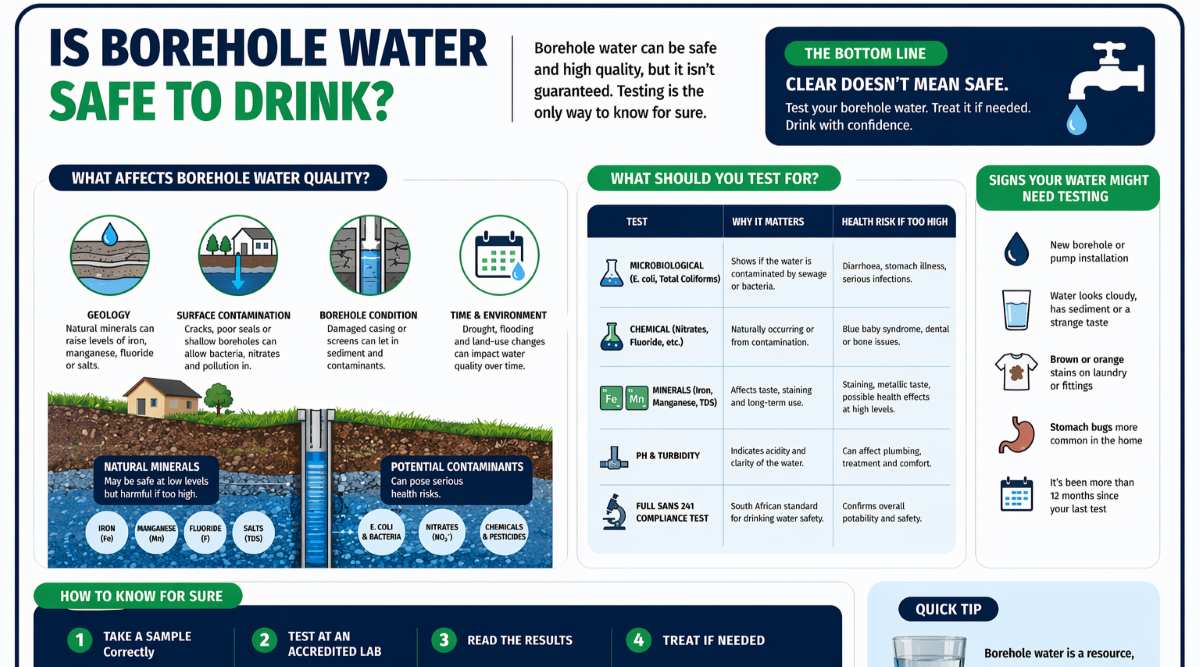
Let’s be honest—water should be simple. It comes out of the tap, and we trust it. But sometimes, that trust feels a little shaky, doesn’t it? Maybe your water smells like a swimming pool, or your friend’s well water looks a bit cloudy after a storm. Knowing how to tell if water is safe isn’t about becoming a scientist; it’s about being a smart and confident water drinker.
Think of your water like a friendly neighbor. When it’s clear, cold, and odorless, everything is probably fine. But when it starts acting weird—funny smells, odd colors, or strange tastes—it’s time to pay attention. Your body is actually pretty good at giving you clues. Trust your senses first; they’re your first line of defense.
The Look Test: What Your Eyes Can Tell You
Pour a glass of water and hold it up to the light. It should look as clear as a window on a sunny day. If you see tiny white specks floating around, don’t panic just yet—those are usually just air bubbles or harmless mineral particles.
Must Read
But if your water looks milky, cloudy, or has a brownish or rusty tint, that’s a different story. That rusty color might mean your pipes are getting old, like a creaky front door. Cloudy water could signal sediment or even bacteria having a little party, and nobody wants that at the dinner table.
Remember that time my neighbor’s tap water turned a faint green? It turned out to be algae in their outdoor tank—not deadly, but definitely a sign to stop drinking and start investigating. Clear water is your friend; murky water is a mystery you don’t want to solve with your stomach.
The Smell and Taste Squad
Give your glass a gentle sniff. Water should smell like nothing. If it smells like bleach, it might have too much chlorine—like when the pool water gets in your mouth. A little chlorine is okay for disinfection, but too much tastes like a chemical hug you didn’t ask for.
A rotten egg smell is a huge red flag. That sulfur stench often means there’s a problem with the water heater or bacteria in the well. It’s like opening a gym bag after a week—just don’t drink that. And if it tastes metallic? Your pipes might be leaching copper or iron, which isn’t dangerous in tiny amounts, but it’s not exactly a gourmet experience.
I once visited a cabin where the water tasted like wet dirt. Turns out, it was just mineral-rich spring water, totally safe. But I still switched to bottled water because my taste buds were not amused. Always listen to your gut—literally.
 Quick Guide to pH in Drinking Water – Tap Score
When the Water Behaves Differently
Water should feel wet, not slimy. If your water feels slippery or leaves a film on your hands, that could mean high mineral content or even detergent backflow. That’s like your water trying to become hand soap—not a good sign for drinking.
Another trick? Check your ice cubes. If they’re cloudy or leave white chunks floating, it’s usually just air or minerals. But if they smell funky once melted, the water source might have issues. Ice is basically water’s frozen diary—it tells the truth.
When to Call in the Pros
You don’t need a lab coat to check your water, but sometimes you do need a test kit. They’re cheap at hardware stores and let you check for lead, bacteria, and nitrates. Think of it like a home pregnancy test, but for your faucet.
If you live in an old house or near farmland, test your water once a year. Farm runoff can sneak in nitrates, and old lead pipes are like outdated fashion—they might seem fine, but they’re secretly harmful. Health departments often offer free testing, so don’t be shy about asking.
Boiling water is your emergency superhero. If you’re ever uncertain—like after a flood or a boil-water alert—bring it to a rolling boil for one minute. It kills most bugs, but it won’t remove chemicals. So boil, then cool, and take a cautious sip.
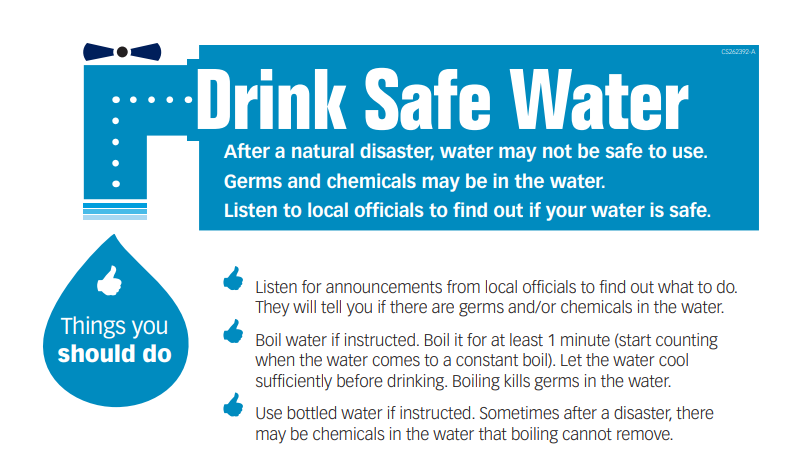 Drinking Water Safety Sign Safe Condition Signs From
The Fridge Filter Myth
Those pitcher filters are awesome for taste, but they’re not magic shields. They remove chlorine and some metals, but they won’t zap viruses or serious contamination. It’s like wearing a raincoat in a hurricane—it helps, but you’re not fully protected.
For real peace of mind, especially if you have a private well or a baby at home, consider a certified lab test. It costs around $20–50 and gives you a complete report card for your water. That’s cheaper than a dentist visit for a cracked tooth from weird mineral buildup.
Why You Should Care (The Fun Part)
Safe water isn’t just about surviving; it’s about thriving. Bad water can mess with your energy, your skin, and even your morning coffee’s flavor. Have you ever brewed coffee with tap water that smelled weird? It tasted like regret, right? Good water makes everything taste better.
Also, think about your pets. That dog you adore who drinks from the toilet? He’s judging your tap water too. If you wouldn’t drink it, don’t let Fluffy have it. We’re all in this hydration boat together.
Determining water safety is just good common sense, like checking the milk carton before you pour. It’s easy, it’s cheap, and it keeps you from playing Russian roulette with your kidneys. So look, sniff, taste, and test when in doubt. You’ve got this—and your water will thank you with a nice, clean gulp.
