How To Remove Fluoride From Drinking Water

The first time I really thought about fluoride, I was at my friend Jenna’s house. She was pouring organic milk into her toddler’s sippy cup, and then—bam—she filled a separate...
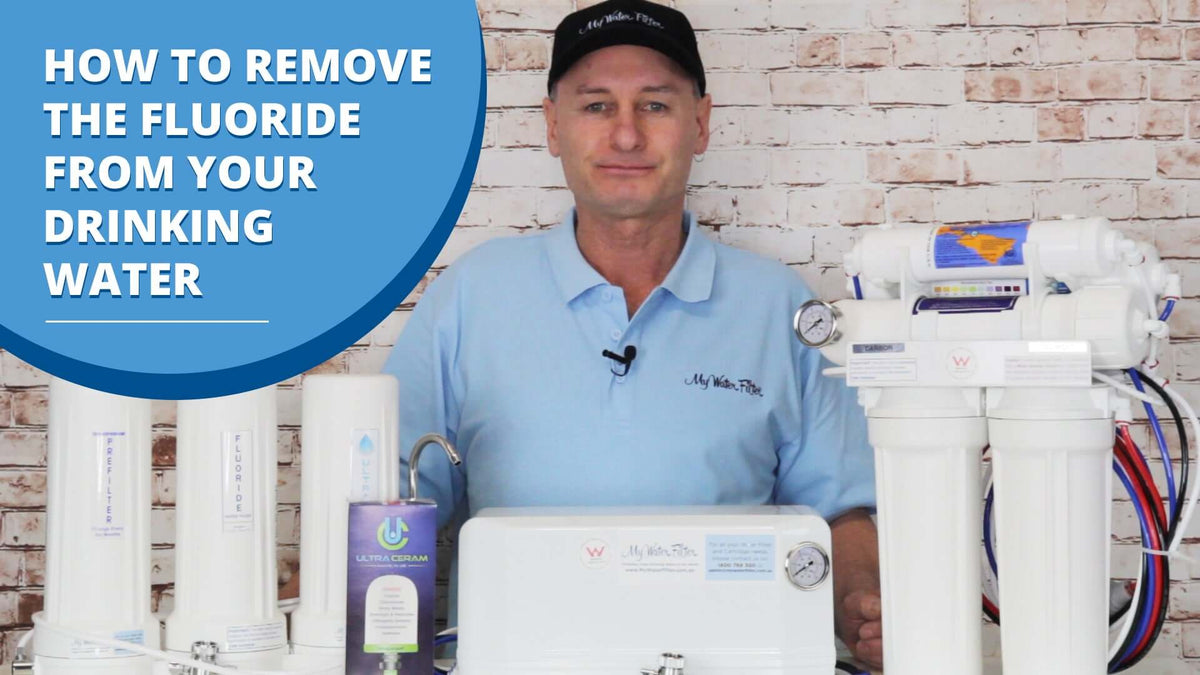
The first time I really thought about fluoride, I was at my friend Jenna’s house. She was pouring organic milk into her toddler’s sippy cup, and then—bam—she filled a separate glass from a special pitcher. “That’s my fluoride-free water,” she said, like it was no big deal. I stood there, holding my plain tap water, feeling suddenly very judged by a plastic filter. That’s when I started obsessing over what’s actually in the stuff we drink.
Here’s the thing: fluoride is great for your teeth—nobody’s arguing with the dentist on that one. But maybe you don’t want it in every single glass of water you chug, especially if you’re already brushing with fluoridated toothpaste. Maybe you’re worried about your thyroid, your bones, or just the fact that it’s a chemical and you like to choose your chemicals. Whatever your reason, I’m here to tell you: removing fluoride isn’t a science project for geniuses—it’s totally doable.
The One Filter That Actually Works
Let’s cut the nonsense: regular fridge pitchers and basic faucet filters? They’re great for taste, but they leave fluoride right there in your water. The #1 solution is a reverse osmosis system. It’s a bit of a mouthful, I know, but basically it forces water through a special membrane that catches fluoride and other impurities. You can get an under-sink unit for around $200, and it’s like having your own personal water factory.
Must Read
I know, I know—$200 sounds like a lot for water that’s already coming out of your tap. But think about it: you’re paying for bottled water anyway, right? A reverse osmosis system pays for itself in a year or two, and you never have to haul plastic jugs from the store. And side note: these systems also remove lead, chlorine, and that weird iron taste your neighbor’s water has. It’s a win-win, even if the name sounds like something from a sci-fi movie.
Activated Alumina: The Sneaky Hero
If reverse osmosis feels too aggressive for your kitchen (or your wallet), meet activated alumina. It’s a filter media that targets fluoride specifically—think of it as a magnet for fluoride molecules. You can find it in some countertop pitchers or as a separate cartridge for your existing water filter system. It’s not as effective as reverse osmosis, but it reduces fluoride by about 90%.
Warning: activated alumina filters need to be replaced more often than you’d like—about every 3 to 6 months. But honestly, that’s a small trade-off for not having to boil your water and do chemistry experiments. Plus, it’s cheaper than the big systems. Just check the label carefully: many “carbon” filters look similar but do nothing against fluoride. Don’t be fooled by the pretty packaging.
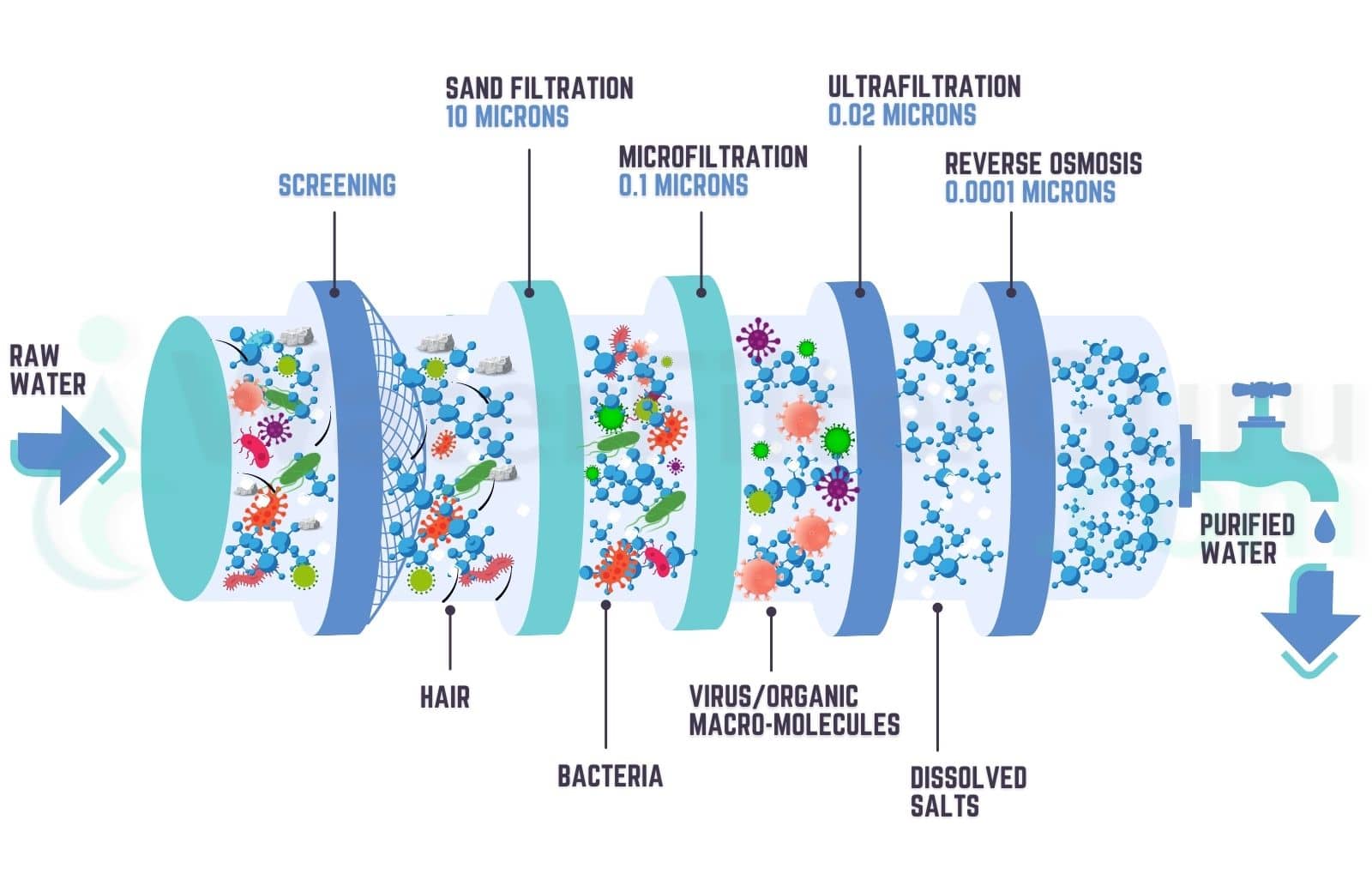 How to Remove Fluoride from Water: 4 Effective Methods
Distillation: The Old-School Way
Distillation sounds like something your grandma did during the Great Depression, and that’s because it is old-school. You boil water, catch the steam, and condense it back into liquid—leaving fluoride and minerals behind. It’s 100% effective at removing fluoride, and it also kills bacteria. The downside? It uses a ton of electricity, takes hours to make a gallon, and the water comes out tasting a bit flat (no minerals means no flavor).
I tried a countertop distiller for a month, and honestly, my electric bill cried a little. But if you’re in a pinch, or you only need small amounts of fluoride-free water (like for your baby’s formula), a distiller is a solid backup. Just add a pinch of sea salt afterward to give it some zest—your taste buds will thank you.
What About Pitcher Filters?
Okay, let’s get real about the Brita-style pitchers everyone loves. They’re perfect for chlorine and taste, but they do not remove fluoride. I repeat: they are not your fluoride-fighting friend. Some brands now sell “fluoride reduction” pitchers, but they’re usually a mix of carbon and ion-exchange resin, and that’s just not the same as reverse osmosis or distillation. I fell for one once, and after testing my water, I felt like a betrayed ex. Don’t be me.
 Effective Fluoride Removal Methods for Drinking Water | CWS
If you must use a pitcher, look for one that explicitly says “fluoride removal” and mentions activated alumina in the description. And even then, expect only about 50-70% removal. It’s better than nothing, but it’s not a cure-all. So, side comment: if you have a family history of thyroid issues or you’re pregnant, splurge on the under-sink system. Your future self will do a happy dance.
The One Thing You Shouldn’t Do
Whatever you do, don’t boil your water to remove fluoride. It’s a myth that keeps spreading like a bad meme. Boiling actually concentrates fluoride because the water evaporates but the fluoride stays. You’re basically making fluoride tea. Same goes for freezing—fluoride doesn’t care about your ice cubes. Save your energy for a real filter.
I know it’s annoying to add another thing to your to-do list. But honestly, once you set up a system, it’s just part of your routine—like changing a lightbulb. And the peace of mind? Priceless. So go ahead, pick your method, and drink like the choosy water connoisseur you are. Cheers, no fluoride included.
