How To Remove Nitrates From Drinking Water

Okay, let’s talk about nitrates. Not the explosive kind that makes action movies fun—the sneaky kind that might be lurking in your tap water. Think of them as the uninvited gu...

Okay, let’s talk about nitrates. Not the explosive kind that makes action movies fun—the sneaky kind that might be lurking in your tap water.
Think of them as the uninvited guests at the hydration party. They sneak in from fertilizer runoff, decaying plants, or your neighbor’s overenthusiastic lawn care.
And here’s the kicker: too many nitrates can mess with your blood’s oxygen delivery system, especially for infants. So, yes—your water could be playing a very unfunny prank on your body.
Must Read
First, the Bad News
You can’t just boil nitrates away. Boiling actually concentrates them, like making a weird, toxic soup reduction.
Pouring that water into a pitcher and hoping for a miracle? That’s about as effective as trying to teach a cat to juggle.
Nitrates are soluble little devils. They dissolve completely, so simple filtration won’t cut it. You need the heavy artillery.
The MVP: Reverse Osmosis
This is your hero—the Dwayne “The Rock” Johnson of water filters. Reverse osmosis (RO) forces water through a semi-permeable membrane that’s so picky, it blocks everything except water molecules.
Think of it as a bouncer at a club exclusively for H2O: “Sorry, nitrates—you’re not on the list. Back to the sewer.”
RO systems can remove 90–99% of nitrates. That’s like turning your tap water from a B-rated horror film into a five-star spa experience.
Pro tip: RO units waste a bit of water (about 3–4 gallons for every gallon of clean water), but you can repurpose that waste water for your plants. They don’t mind a little sass.
The Practical Downside
RO systems are not cheap—expect to fork over $150 to $500 for a decent under-sink unit. But hey, it’s cheaper than a lifetime of bottled water and way more eco-friendly.
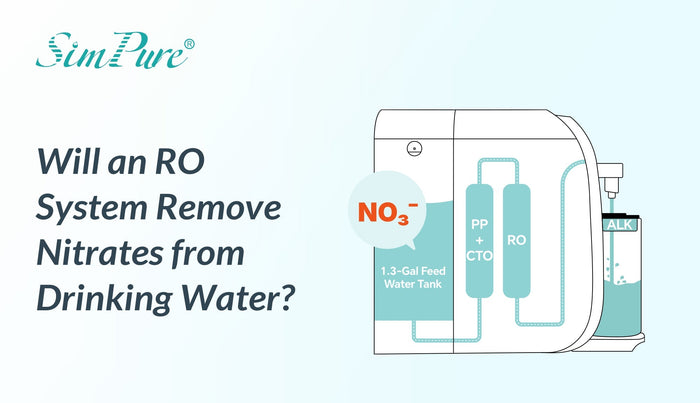 Will an RO System Remove Nitrates from Drinking Water?
Installation might require a little plumbing kung fu. If you’re not handy, bribe a neighbor who owns a wrench with pizza.
Once it’s set up, you get that smug, superior feeling every time you pour a glass of crystal-clear, nitrate-free water. Worth it.
The Secret Weapon: Ion Exchange
This is like chemical matchmaking for water. You install a tank full of resin beads that are coated with sodium or potassium ions.
Water flows through, and the beads swap their friendly ions for the nasty nitrates. It’s like a hostage exchange, but for chemistry.
Ion exchange is super effective for low-to-moderate nitrate levels—think 90% removal. You’ll get water that’s still slightly salty, but in a “refreshing electrolyte” kind of way.
Downside? You need to regenerate the resin beads every few months with a brine solution. That’s basically rinsing them with aggressive salt water—like giving your filter a spa day with an attitude.
The Cheap-ish Fix: Distillation
Distillation is the old-school method. You boil water, catch the steam, and then condense it back into liquid. It’s basically what clouds do, but in a scary-looking metal contraption on your counter.
This removes nitrates and everything else—you’ll get distilled water so pure it practically has no memory. It’s also flat tasting because you’ve stripped out all the natural minerals.
Distillers are slow (a few hours per gallon) and they suck up electricity like a vacuum cleaner at a confetti factory. But if you’re on a budget and patient? It works.
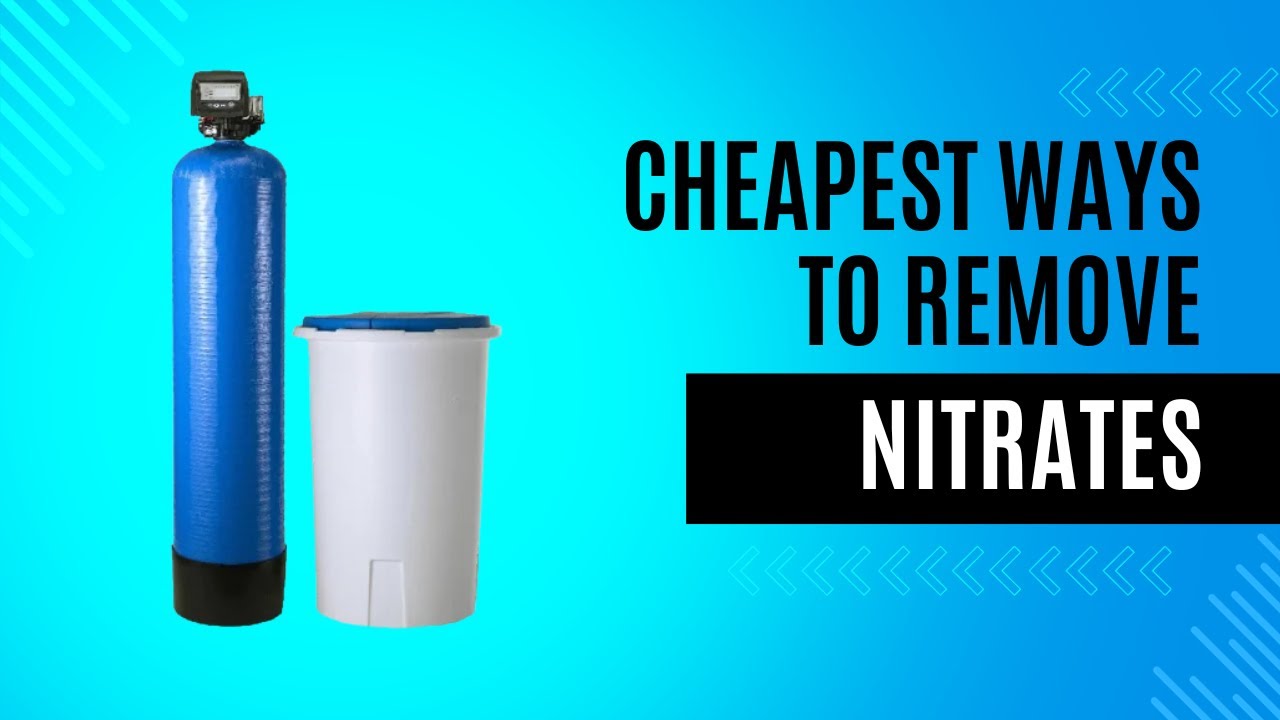 Do Skimmers Remove Nitrates at Megan Gerow blog
What NOT to Do (The Horror Stories)
Don’t use a Brita pitcher. Those carbon filters are designed for taste and smell, not nitrate removal. You’ll be drinking fancy-tasting poison.
Also, don’t rely on “water softening”. That system is for hardness minerals like calcium and magnesium, not nitrates. It’s like using a salad spinner to bail out a leaking boat—wrong tool, wrong job.
And for the love of all that is holy, do not drink water that smells like rotten eggs. That might be hydrogen sulfide, not nitrates, but either way: no. Just no.
One Surprising Fact
Here’s a strange truth: you can temporarily neutralize nitrates by adding ascorbic acid (that’s vitamin C powder). Studies show that a 1,000-milligram dose can reduce nitrates in a glass of water by up to 90%.
But please, don’t use this as your daily plan. That’s like using a Band-Aid to fix a broken pipe—creative, but eventually you’ll have a wet floor and a very grumpy plumber.
Plus, drinking that much vitamin C might make your stomach feel like it’s hosting a marathon of flavor explosions—and not in a good way.
The Bottom Line
If you suspect high nitrates—and you should test your well water or municipal supply—the safest bet is reverse osmosis. It’s expensive, but your kidneys will thank you.
If you’re renting or short on cash, distillation is a solid Plan B. Just be ready to wait a while and explain to guests why you have a science experiment on your kitchen counter.
And whatever you do, don’t panic. Nitrates in drinking water are manageable. You’re not drinking from a Superfund site (probably). So chill, get a filter, and keep that water flowing—minus the unwelcome guests.
