Why Does My House Have Low Water Pressure

So there I was, last Tuesday morning, standing in my shower like a prisoner in a drizzle. I had soaped up my hair, ready for a glorious cascade, and instead got a pathetic, wh...
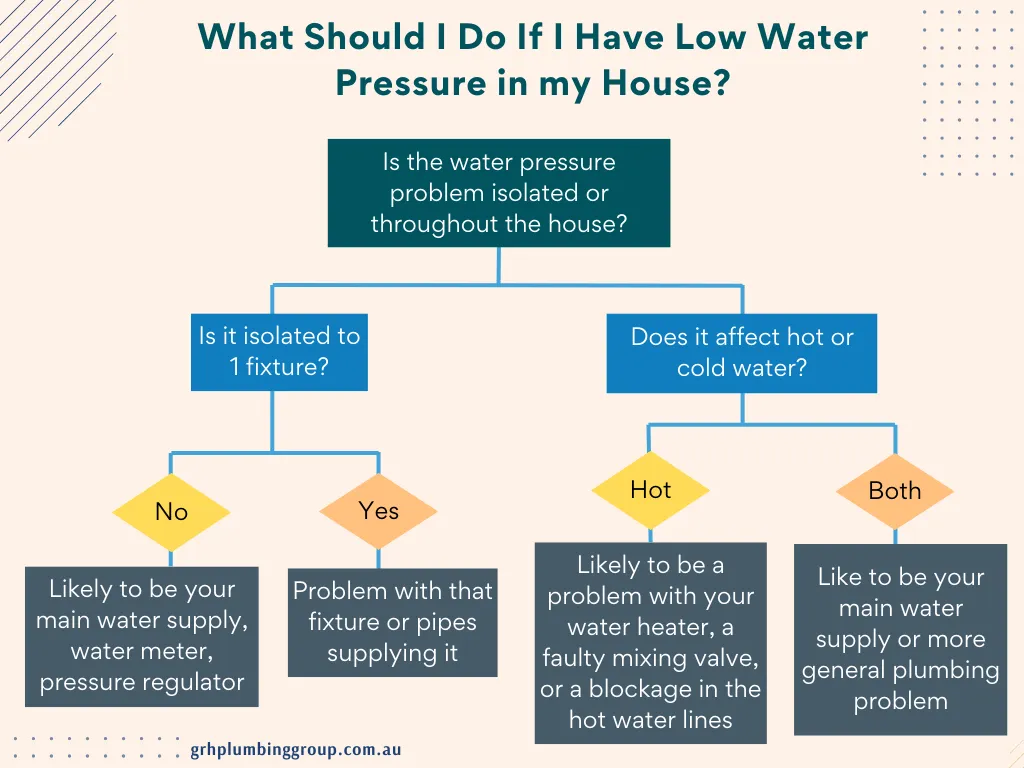
So there I was, last Tuesday morning, standing in my shower like a prisoner in a drizzle. I had soaped up my hair, ready for a glorious cascade, and instead got a pathetic, whiny trickle. It felt personal, like my own house had decided to give me the silent treatment. Really, plumbing? I thought. This is how you start my day?
If you’ve ever stood there, shivering and cursing under a limp stream, you know the frustration. Low water pressure isn’t just an inconvenience—it’s a mood killer. It turns a quick rinse into a slow, angry negotiation. And the worst part? You have no idea why it’s happening, so you just feel powerless. Literally.
Let’s fix that. I’m going to walk you through the usual suspects, from the silly to the serious. By the end, you’ll either have a fix, or at least know exactly who to blame. (Spoiler: it’s usually not the ghosts of plumbers past.)
Must Read
The Obvious Culprit: Your Main Valve
First, check the silly stuff. Go look at your main water shut-off valve, usually near the street or your water heater. Is it fully open? I once spent an hour Googling “water pressure loss” only to realize my kid had turned the valve halfway while “playing plumber.”
Yes, that really happened. So before you call a pro, twist that valve counterclockwise until it stops. If that doesn’t fix it, at least you can laugh about it later. Maybe.
Mineral Buildup: The Silent Killer
If your water is “hard” (full of calcium and magnesium), those minerals slowly coat the inside of your pipes. Over time, your half-inch pipe becomes a quarter-inch pipe. That’s like trying to run a marathon with a straw up your nose.
This is especially common in older homes with galvanized steel pipes. If your house was built before 1980, there’s a good chance the inside looks like a cave stalactite. The fix? Either a professional descaling or, more drastically, repiping.
And no, a fancy showerhead filter won’t save you. That’s like putting a Band-Aid on a broken leg—it feels good, but it doesn’t help the pressure.
It’s Not You, It’s the City
Sometimes, the problem isn’t inside your walls—it’s the entire neighborhood. Check with your neighbors. Are they also getting weak showers? If yes, maybe the city is doing maintenance, or there’s a leak in a main line.
 How to Fix Low Water Pressure in Your Home: Expert Advice
This is the one scenario where you can actually get mad at someone else. You pay taxes for this, right? Call the water company and complain like a Karen who found a hair in her soup. It’s your right.
The Pressure Regulator: Your Home’s Gatekeeper
Look near your main water line for a bell-shaped device with a bolt on top. That’s your pressure regulator, and it can fail. Over time, the internal spring gets lazy, and your pressure drops from a solid 60 PSI to a sad 30 PSI.
Adjusting it is easy—just turn the bolt. But don’t overdo it. If you crank it too high, you might burst a pipe or damage your water heater. You want steady, not explosive. Think of Goldilocks: not too low, not too high, just right.
Partial Clogs in Fixtures
Before you crawl under the house, try the easiest fix: clean your aerators. Those little screens on your faucets and showerheads trap sediment like a net. Unscrew them, soak them in vinegar overnight, and scrub them with an old toothbrush.
I did this last week, and my shower went from a pathetic dribble to a respectable pour. It’s the plumbing equivalent of cleaning your glasses—you didn’t realize how bad it was until you fixed it. Try it right now. I’ll wait.
The Age of Your Pipes
If your house is older than you, the pipes might be the problem. Corroded Galvanized steel or even old lead pipes (yikes!) can narrow over decades. This is the expensive, ugly answer. Repiping a whole house costs thousands, but think of it as an investment in not being angry every morning.
There’s also PEX piping, which is modern and flexible. But until you rip open those walls, you won’t know. If you hear banging or see rust stains, that’s your house begging for a pipe transplant.
 How to Improve Water Pressure – DIY Plumbing Tips
Leaks: The Hidden Thieves
A small leak—even one you can’t hear—can steal your water pressure. Check your water meter when nobody is using water. Is it still spinning? If yes, you have a leak somewhere. It might be a dripping faucet, a toilet that runs silently, or a pipe behind a wall.
Toilets are the worst offenders. A silent flapper leak can waste hundreds of gallons and drop your pressure without you noticing. Drop a food coloring tablet in the tank. If the bowl water turns color within an hour without flushing, you’ve found the vampire.
What About Water Heaters?
If the low pressure is only in your hot water, check your water heater. Sediment can build up at the bottom, clogging the outlet. Flush your water heater once a year. Hook up a hose, drain the tank, and let all that sand-like gunk flow out.
I guarantee you’ll be horrified by what comes out. And your pressure will thank you. Also, it extends the life of the heater, so it’s a win-win—unless you drop the hose on your foot.
The Final (and Most Annoying) Cause
Sometimes, there’s no single reason. It’s a combination: old pipes, a slightly closed valve, and a neighbor who just installed a huge sprinkler system. Welcome to home ownership. You can chase ghosts for weeks.
Here’s my advice: start with the free stuff (clean aerators, check valves, ask neighbors). If that fails, call a plumber and accept the diagnostic fee. It’s better than buying a new water heater you don’t need.
And hey, if all else fails, move into a hotel with good water pressure. I’m only half joking. Sometimes, a strong shower is worth the price of a room with a rain-style head. You deserve it.
