What Does Recharge Do On A Water Softener

Okay, let’s chat about something that sounds super technical but is actually kind of cool—what does recharge do on a water softener? If you’ve ever looked at your water softe...

Okay, let’s chat about something that sounds super technical but is actually kind of cool—what does recharge do on a water softener?
If you’ve ever looked at your water softener and seen a screen that says “Recharging,” you might have thought, “Is it… plugging itself into a wall?”
Nope. It’s not that. But I promise, the real answer is way more fun.
First, Let’s Remember Why You Have This Thing
Hard water is basically water that’s been on a mineral-collecting road trip. It picks up calcium and magnesium as it flows through the ground, and when it reaches your house, those minerals are like uninvited party guests.
Must Read
They leave cloudy spots on your glasses, make your soap scum angry, and turn your hair into a frizzy mess. A water softener is the bouncer that kicks those minerals out.
But here’s the catch: the bouncer gets tired after a while. That’s where recharge comes in.
So, What Actually Happens During a Recharge?
Imagine your water softener has a room full of tiny, sticky beads called resin beads. These beads are super friendly with hard-water minerals—they grab them and hold onto them, so the water that goes to your taps is soft and lovely.
But those beads can only hold so many minerals. After a few days, they’re stuffed like a Thanksgiving turkey. The recharge is when the softener flushes them out and makes them fresh again.
Think of it as a spa day for your beads. A salty spa day.
The Salt is the Secret Sauce
During a recharge, your water softener pulls water from the brine tank—that’s the big plastic bin you pour salt into. The salt water is super concentrated with sodium ions.
When this salty solution flows over the mineral-packed beads, it does a magical swap: the sodium ions push the calcium and magnesium off the beads and take their place. The hard minerals get washed down the drain, and the beads are clean and ready to party again.
It’s like a tiny, wet, salty game of musical chairs. And the beads always win.
How Often Does This Recharge Thing Happen?
Most water softeners recharge automatically—usually in the middle of the night, because nobody wants to be on the toilet when their water softener decides to do a deep cleanse. (Trust me.)
 How To Recharge Water Softener Pillow at Andres Lowe blog
How often depends on how hard your water is and how much you use. A typical unit recharges every few days or once a week. Some smart models even track your water usage and schedule themselves.
You’ll see a little countdown on the display: “3 Days to Recharge.” It’s like the softener is saying, “I’ll be napping under the sink, but my alarm is set.”
What If I Ignore the Recharge?
Great question. If you let your softener go too long without a recharge—say you forget to add salt—it’s like running a marathon on empty. Your beads stay full of minerals and just stop working.
Then, the hard water sneaks back in. Your dishes get spots again, your shower feels like a science experiment, and your skin starts screaming for lotion. Total bummer.
But don’t panic. The softener will usually let you know with a beep or a red light. It’s basically shouting, “Hey! Feed me salt! I’m dying here!”
The Steps of a Recharge (The Quick Version)
Here’s what happens in about 60 to 90 minutes, broken down like a dance routine:
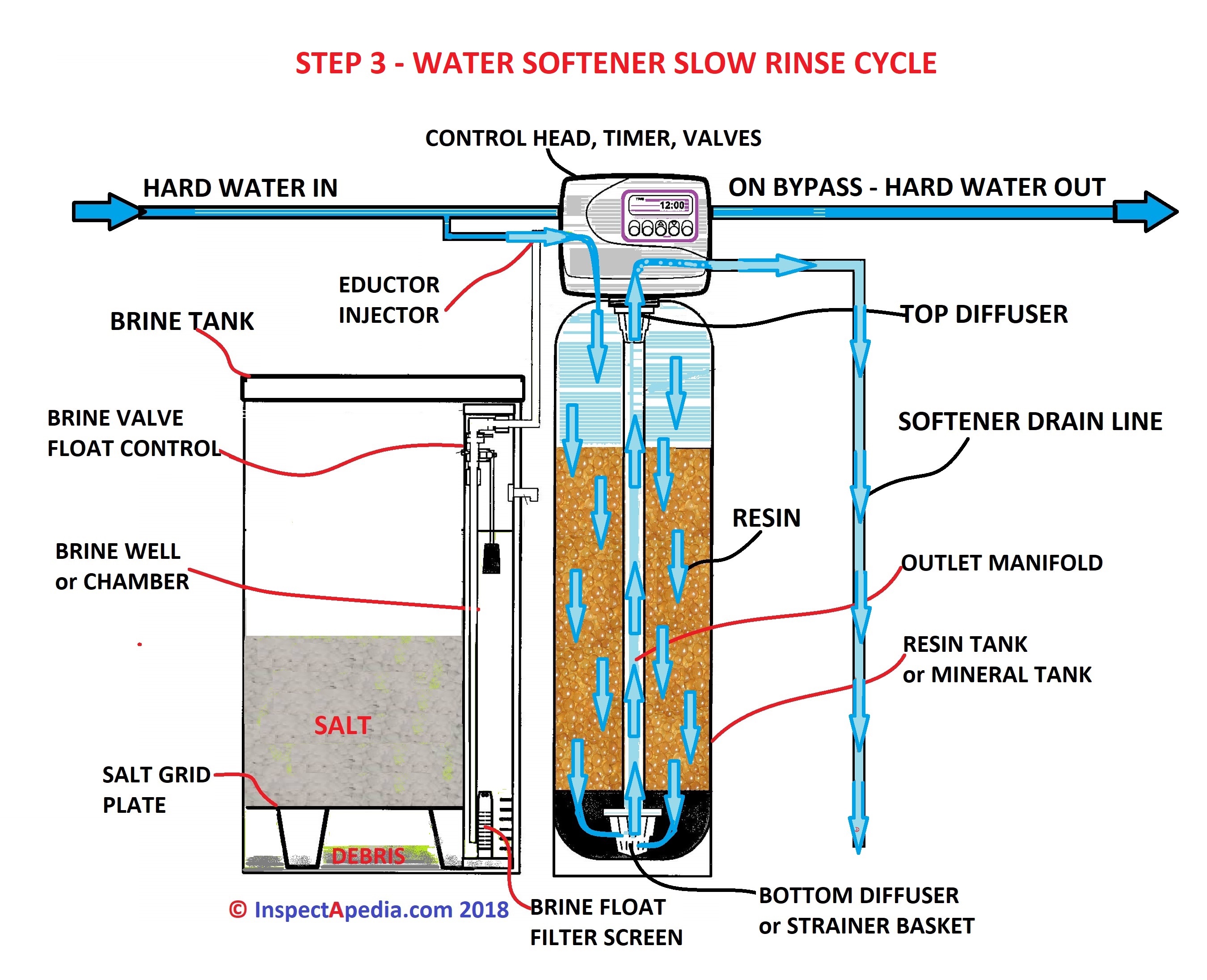
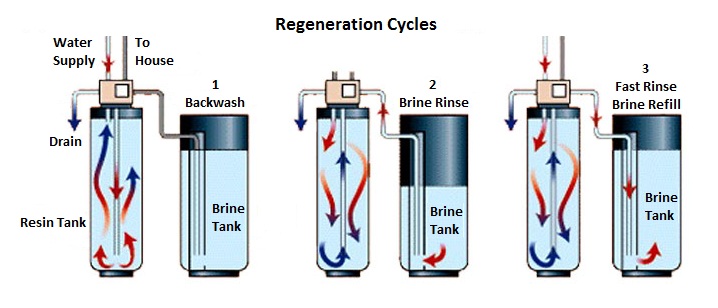
Step 1: Backwash. Water flows backward through the resin tank, flushing out all the gunk and dirt that’s built up. It’s like a power-wash for your beads.
Step 2: Brine Draw. The salty water from the brine tank is pulled in and flows over the beads. This is where the mineral swap happens—the beads ditch the calcium and grab onto sodium.
Step 3: Rinse. Fresh water rinses away any leftover salt, so your drinking water doesn’t taste like a pretzel.
 How Long Does it Take for a Morton Water Softener to Recharge? (Brief
Step 4: Refill. The softener adds a little more water to the brine tank, so it’s ready for next time. Then it goes back to sleep.
Does the Recharge Waste a Bunch of Water?
It uses some water—about 20 to 50 gallons per recharge, depending on your unit. That sounds like a lot, but compared to the gallons of water your household uses each day, it’s a tiny drop.
Plus, the alternative is all those hard-water stains and mineral buildup ruining your pipes, which costs way more in repairs. So, the recharge is actually a water-saving hero in disguise.
Can I Manually Start a Recharge?
Yes! Most softeners have a button that says “Recharge” or “Regen.” You can hit it if you’re going to use a ton of water, like after a big party or a weekend of guests.
Some people do it manually to control when it runs—like if you hate the noise of the recharge at 2 a.m. (That sound is sort of like a gentle waterfall mixed with a tiny washing machine.)
Just don’t hit it by accident while leaning over the unit. I’ve done that. The softener gave me a very judgmental beep.
The Uplifting Conclusion (You Made It!)
So, next time your water softener decides to recharge, give it a little nod of appreciation. It’s working hard so your water feels silky, your dishes sparkle, and your hair behaves itself.
That humble box under your sink is basically a tiny, salty wizard that fights mineral monsters while you sleep. You don’t have to think about it—just add a bag of salt every few months, and it keeps your water soft and your life easy.
And when your shower water feels like a warm hug instead of a chalky sponge? Smile. That’s the recharge doing its job. You’ve got this, water warrior.
