Does Boiling Water Make It Safer To Drink

So, you’re standing in the kitchen, staring at a pot of tap water, and wondering: does boiling actually make this stuff safer to drink? It’s one of those survival skills we’ve...
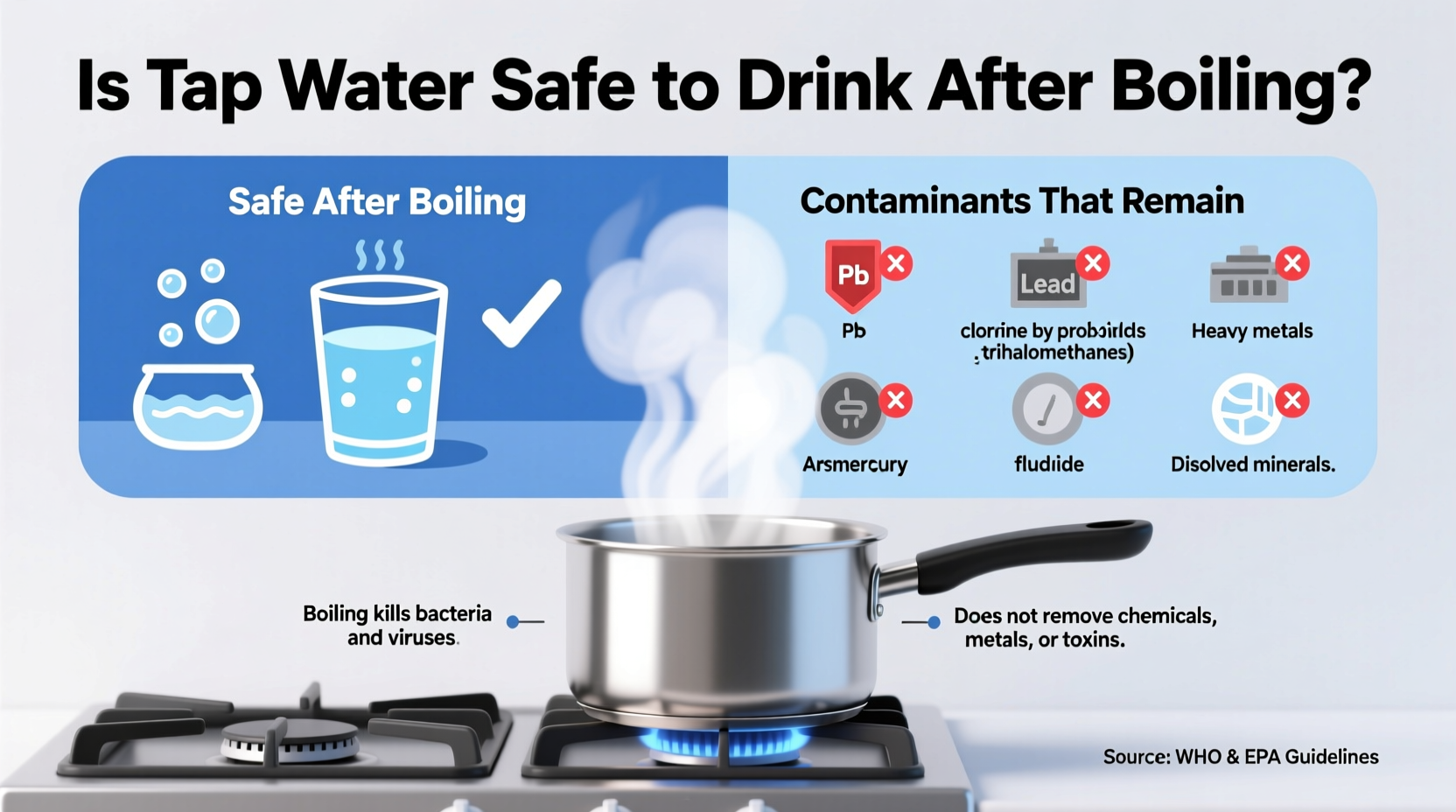
So, you’re standing in the kitchen, staring at a pot of tap water, and wondering: does boiling actually make this stuff safer to drink? It’s one of those survival skills we’ve all heard about, but the science behind it is way more interesting than you’d think. Let’s get into it, shall we? Grab a cup of tea (yes, that counts) and let’s explore.
The Big Idea: Heat as a Bouncer
Think of boiling water like a super strict bouncer at a club. The heat tells the nasty little microbes, “You’re not getting in.” When water reaches its boiling point—212°F (100°C) at sea level—it kills most bacteria, viruses, and parasites that can make you sick.
But here’s the cool part: the bugs don’t just die from the heat. Their proteins denature, meaning they unfold and lose their shape, like a melting Jell-O mold. No shape, no function—and definitely no party in your stomach.
Must Read
What Does “Safer” Actually Mean?
“Safer” doesn’t mean perfectly pure—think of it as reducing the risk, not waving a magic wand. Boiling is amazing at nuking germs like E. coli, Giardia, and Cryptosporidium. But it’s useless against chemical contaminants like lead, pesticides, or microplastics. Why? Those are molecules, not living things—heat can’t “kill” a molecule.
So, if your water is cloudy from dirt or smells like a swimming pool, boiling won’t fix that. You’d need a filter or a different treatment. But for garden-variety tap water in most places? Boiling is like a superhero for the microbial world.
The Fun Comparison: Boiling vs. The Wild
Imagine you’re camping and the only water is from a muddy stream. Boiling it is like a time machine for safety. Most microbes die within one minute of a rolling boil—but wait, we’ve all heard the “boil for ten minutes” rule. That’s a myth from back when people were extra cautious. Modern science says one minute is plenty at sea level.
At high altitudes (like a mountain cabin), the boiling point drops because air pressure is lower. Water boils at around 198°F up there, which means you need to boil for three minutes to be sure. Altitude messes with everything, even your tea time!
 How To Boil Drinking Water Safely
The Chemistry Twist: Why You Don’t Taste the Difference
Here’s a fun fact: boiling water does change its taste slightly, but not in a bad way. When you boil water, you drive off dissolved gases like oxygen and carbon dioxide. That’s why boiled water can taste “flat” or “stale”—like a soda left open overnight.
But if you pour it from one cup to another (a technique called “aeration”), you re-oxygenate it and the flavor comes back. It’s like giving your water a breath of fresh air. Pretty wild for something so simple, right?
The Big Myth-Buster: Boiling Doesn’t “Clean”
Let’s clear up a common confusion: boiling is not the same as disinfecting with chemicals. When you boil water, you’re not scrubbing it clean—you’re just making the germs harmless. Think of it like putting a zombie in a freezer. It’s still there, but it’s not going to bite you.
The same goes for boiling as a long-term solution. If your home water is contaminated with heavy metals like lead, boiling actually concentrates the metal because pure water evaporates, leaving the junk behind. So don’t boil lead-contaminated water—it makes things worse.
 Pros and Cons of Using Boiling to Make Drinking Water Safe – Ionza
When Should You Actually Boil?
Here’s a quick checklist: boil your water when there’s a “boil water advisory” from local utilities, when you’re in the wilderness, or after a natural disaster like a flood. It’s also a smart move if your pipes are old and you’re worried about bacteria sneaking in. But for daily tap water in most developed countries? It’s overkill, honestly. Your water treatment plant already does the heavy lifting.
That said, boiling is a fascinating backup plan. It’s cheap, low-tech, and works with just a pot and some heat. Imagine explaining to a friend: “I can make water safe with fire—like a wizard from a fantasy novel.” Pretty cool, huh?
The Bottom Line: Yes, But Don’t Expect Magic
Boiling water does make it safer to drink—for biological threats. It’s a time-tested, simple tool that humans have used for thousands of years. But it’s not a cure-all for chemicals, and it won’t turn muddy swamp water into Evian. So next time you’re boiling pasta or making coffee, remember: you’re also accidentally sterilizing the water. Multitasking at its finest.
And isn’t it wild that a process so ordinary—just heating water—has saved more lives than just about any modern invention? So go ahead, boil a pot, and feel like a tiny scientist. Your stomach will thank you.
