How Long Does It Take For Water To Expire

We’ve all been there. You’re cleaning out your car, and you find a half-empty plastic water bottle wedged under the seat. It’s been there since… that trip to the beach last su...

We’ve all been there. You’re cleaning out your car, and you find a half-empty plastic water bottle wedged under the seat. It’s been there since… that trip to the beach last summer. You unscrew the cap, sniff it, and wonder: Is this still safe to drink? The answer might surprise you, and it doesn't involve water turning into a science experiment overnight.
The short, sweet truth about water’s shelf life
Technically, pure water itself doesn’t expire. Water molecules are old—like, dinosaur-old. That bottle in your hand holds the same H₂O that rained down on a T. rex. But the water you buy at the store isn’t just water; it’s water in a package. And that package is the real clock that’s ticking.
Water “expires” because of the plastic bottle, not the water inside. Over time, especially if the bottle gets hot (like in your car on a summer day), chemicals from the plastic can leach into the water. It’s not a poison panic, but it can give the water a weird, plasticky taste.
Must Read
Let’s get real about that dusty bottle in your pantry
Imagine you bought a bag of potato chips and left it open for a month. You wouldn’t eat those stale, soggy chips, right? Well, water doesn’t get stale exactly, but it does attract bacteria if the seal is broken. Once you open a bottle, you’ve invited the whole neighborhood—dust, germs from your mouth, and tiny airborne particles—inside.
If you’ve ever taken a sip from a bottle that’s been sitting on your nightstand for three days, you know that taste. It’s not “bad,” just… flat. It’s the taste of your own backwash mingling with the air. That’s why tap water left in a glass overnight starts to taste off—carbon dioxide dissolves into it, making it slightly acidic.
The official numbers (don’t worry, we’ll keep it simple)
For store-bought bottled water, the FDA doesn’t actually require an expiration date. Those dates you see? They’re mostly for quality control. Manufacturers put them there because the plastic packaging degrades over time. A good rule of thumb: unopened, store it in a cool, dark place, and it’s fine for one to two years past the printed date.
But if you’ve opened the bottle? Think of it like a carton of milk—without the dairy drama. You have a few days to finish it before the taste goes south and potential germs show up. If you’re reusing a single-use plastic bottle again and again, watch out—scratches and cracks are perfect little homes for bacteria to throw a party.
 Does the bottled water expire? Netsol Water | Water Facts
The car test (the one we all do)
You know that bottle you left in the car for a week? The one that’s now warm and slightly squishy? Do not drink it. Heat makes plastic break down faster, and that water might have absorbed chemicals like antimony or BPA. It probably won’t kill you, but it’s not doing your liver any favors. Just dump it out.
Instead, picture this: you’re at a picnic, and a friend offers you a bottle they’ve been carrying in their backpack for two hours in the sun. Smile and say, “No thanks, I’m good.” You’re not being rude; you’re being a water-quality ninja.
Why you should actually care (the fun part)
Look, we’re not saying you should live in fear of your water. But paying attention to this stuff is like not eating the last slice of pizza that’s been sitting out all night—you probably won’t get sick, but why risk it? Your taste buds deserve better.
And here’s the real, relatable truth: water is the cheapest, most amazing health drink on the planet. When you make sure it’s fresh, you’re more likely to actually drink it. And drinking plenty of water gives you glowing skin, more energy, and a brain that doesn’t fog up at 3 PM.
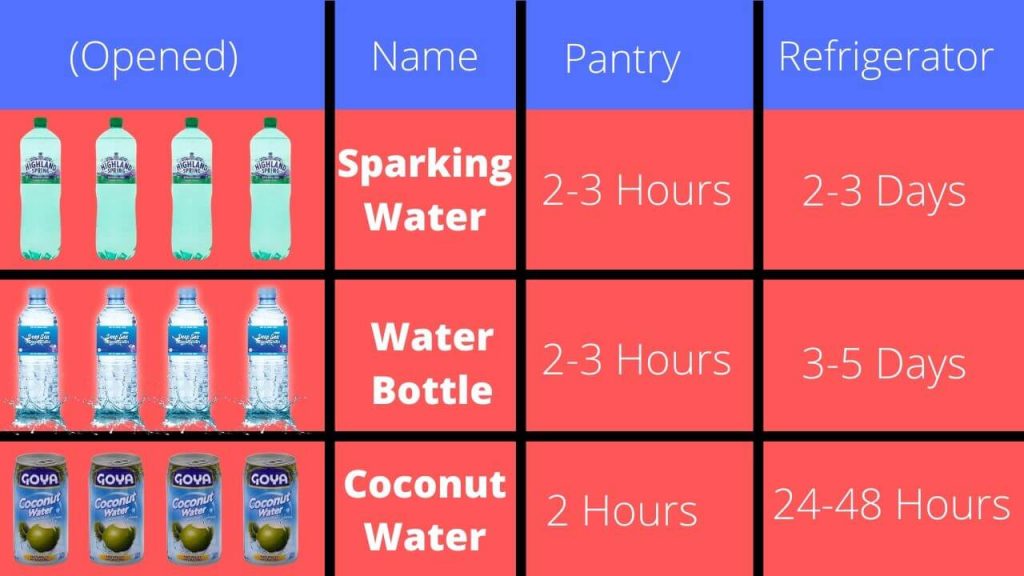 How Long Does Bottled Water Last - Decoding the Expiration Dates
A tiny story from my kitchen
Last week, I found a bottle of fancy spring water in my fridge that I’d bought for a road trip six months ago. It was unopened, sitting right next to the pickles. I checked the date: best by May 2023. It was now November. I opened it, took a tiny sip, and… it tasted perfectly fine. A little flat, sure, but totally drinkable. I used it to water my plants. Win-win!
The point is, use your senses. If the water looks cloudy, smells funny, or tastes like a swimming pool, trust your gut (pun intended). If it looks and tastes clean, it’s probably good. Don’t drive yourself crazy over a glass of water.
The final, easy-going takeaway
Water doesn’t expire like milk or yogurt. It’s not a dramatic, smelly rot. It’s a slow, quiet quality fade, mostly due to the plastic it lives in. So treat your water like you treat your leftovers: respect the container, watch the temperature, and when in doubt, refresh.
If you want the ultimate life hack, buy a reusable glass or stainless steel bottle. Fill it with tap water every morning. It costs pennies, it’s better for the planet, and you’ll never have to wonder if your drink has a secret expiration date again. Now go hydrate—with something that hasn’t been sitting in your car since the Fourth of July.
