What Is A Salt Bridge In A Water Softener

So, you’ve got a water softener, that hulking plastic cylinder in your basement that looks like a prop from a low-budget sci-fi movie. It’s supposed to make your water feel si...
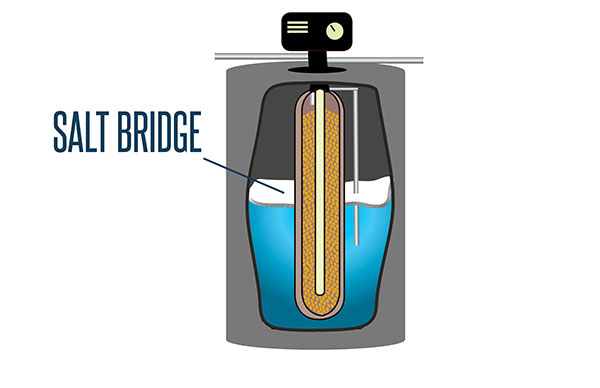
So, you’ve got a water softener, that hulking plastic cylinder in your basement that looks like a prop from a low-budget sci-fi movie. It’s supposed to make your water feel silky and stop your showerhead from turning into a limestone stalactite. But then, the thing starts beeping like a smoke detector with a grudge, and you pop open the salt tank only to find... a solid, impenetrable crust. Congratulations, you’ve met the salt bridge.
Imagine if your bag of potato chips decided to fuse together into one giant, solid chip-brick. That’s the salt bridge—a hard, crusty layer of salt that forms inside the tank, separating the water from the salt pellets below. It’s nature’s way of trolling you. Everything looks fine from the top, but underneath that crust is nothing but emptiness and despair.
What Exactly Is a Salt Bridge?
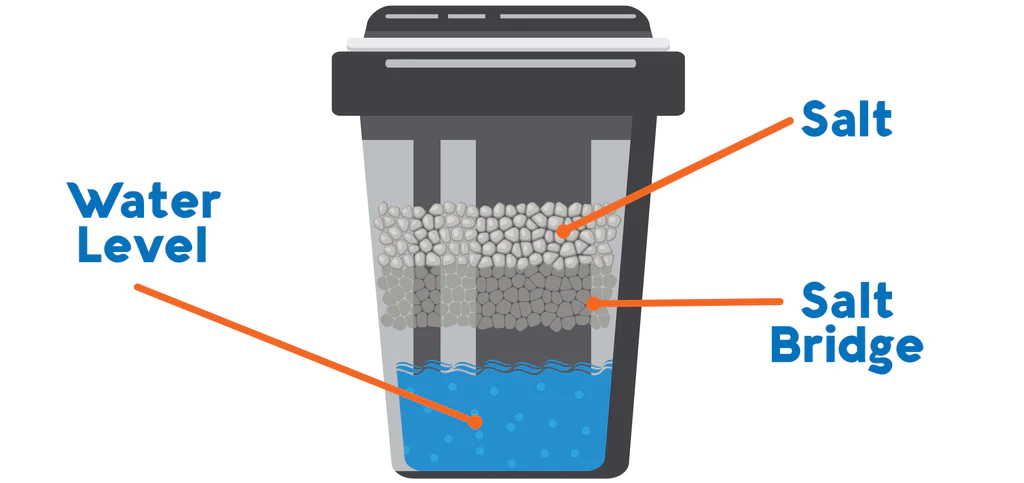
A salt bridge is exactly what it sounds like: a bridge of salt. It’s a hardened dome that forms across the surface of the salt in your brine tank, leaving a hollow gap beneath it. The pellets on top glue themselves together, usually because of high humidity or drastic temperature swings in your utility room. Think of it as a salt igloo built by very confused, very small construction workers.
Must Read
Here’s the kicker: the water level sits below that bridge, so the salt can’t dissolve properly. Without dissolved salt, your water softener can’t regenerate, and your water turns back into the “hard” villain you were trying to defeat. Your hair will start squeaking again. Your dishes will look like they’ve been kissed by a ghost of mineral deposits.
Surprising fact: a salt bridge can be as tough as a sidewalk in winter. I’ve seen homeowners whack them with broom handles for twenty minutes and only manage to give the bridge a minor concussion. It’s a passive-aggressive monolith of misery.
How Do You Know You Have One?
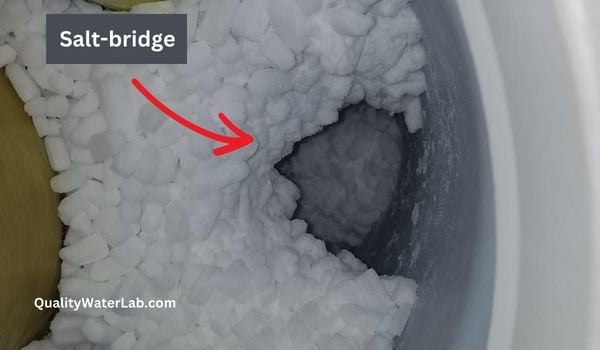
You’ll notice your water getting hard again—soap won’t lather, your skin feels sticky, and your coffee maker starts building its own little coral reef. But the dead giveaway is looking into the salt tank and seeing a crust that looks like the top of a crème brûlée, but you can’t tap it with a spoon. Instead, you’ll have to poke it with a long stick or, if you’re brave, your bare hand (don’t—it’s sharp).
 Water Softener Not Using Salt? Here are 5 Reasons Why
If the top layer is solid but there’s liquid underneath, you’ve got a bridge. If the whole tank is a solid block, you’ve got a salt mushy, which is a different, stickier nightmare. But we’re talking bridges here.
How to Destroy the Salt Bridge (Without Losing Your Sanity)
Step one: turn off the water softener. You don’t want it trying to regenerate while you’re performing surgery. Step two: grab a broom handle, a wooden dowel, or a long metal pipe—basically anything that won’t shatter the plastic tank. Then, gently tap the bridge around the edges to break it up. Don’t go full Thor with the hammer; you’re not breaking a piñata. You’re gently persuading salt to return to its natural, granular state.
Once you’ve broken the bridge, scoop out the chunks like you’re bailing out a sinking ship. If the chunks are huge, you might need to remove them by hand—wear gloves unless you enjoy crunchy salt cuts on your fingers. Then, you can either add fresh salt or just let the remaining pellets settle.
Pro tip: never pour hot water on the bridge to dissolve it faster. That can turn the bottom salt into a cement-like paste called a “salt sludge,” which is even harder to remove. Trust me, I learned this by becoming a reluctant salt archaeologist.
 How to Clean a Water Softener (Easy 2025 Guide) - QWL
How to Prevent Future Salt Bridges
They say an ounce of prevention is worth a pound of cursing at your water heater. Use pellet salt instead of rock salt, because rock salt is more prone to clumping. Keep the humidity in your utility room low—maybe run a dehumidifier if your basement feels like a tropical rainforest. And here’s the weird trick: buy a salt bridge prevention tool—a plastic grid that sits in the tank’s bottom. It’s like a medieval torture device for salt demons.
You can also just gently stir the salt with that broom handle every month. It takes thirty seconds and prevents the salt from getting too cozy. Consider it a monthly “salt social hour.” If that sounds like too much work, just hire a small child with a stick—but check your local labor laws first.
Final hilarious fact: The term “salt bridge” originally comes from chemistry, where it’s a tube of salt solution used in batteries. Your water softener’s salt bridge is the opposite of helpful—it’s the bad battery of home appliances. So next time you see one, you can say, “Ah, my water treatment system is having an electrochemical identity crisis.” Your friends will think you’re a genius.
And if all else fails, just move to a house with naturally soft water. Or a water softener that runs on unicorn tears. Both are equally likely to solve your problem without any effort from you.
