How To Remove Rotten Egg Smell From Water

You turn on the tap, expecting that crisp, clean promise of hydration, and instead—wham. A punch of rotten eggs right in the nose. It’s the kind of smell that makes you second...

You turn on the tap, expecting that crisp, clean promise of hydration, and instead—wham. A punch of rotten eggs right in the nose. It’s the kind of smell that makes you second-guess your entire plumbing, your water bill, and maybe even your life choices.
Relax. You’re not living over a sulfur spring in Iceland. That stench is almost certainly hydrogen sulfide gas—a byproduct of bacteria feasting on organic matter in your water heater or well. The good news? It’s fixable, and you don’t need a plumber’s degree or a hazmat suit.
The First Suspect: Your Water Heater
If the smell only hits on the hot side, your water heater is the culprit. Bacteria love the warm, stagnant environment inside the tank. They eat tiny bits of magnesium or aluminum in the anode rod, and fart out hydrogen sulfide as a thank-you.
Must Read
Try this first: flush the tank. Connect a garden hose to the drain valve, run the water until it runs clear, and let the sediment—the bacteria’s buffet—wash away. Do this every six months, and you’ll starve the little stinkers.
Still reeking? Replace the magnesium anode rod with an aluminum or powered anode rod. This changes the chemical reaction, and the smell vanishes. It’s like swapping a garlic-heavy meal for a neutral salad—your water instantly goes from “ew” to “ah.”
The Second Suspect: Your Well Water
For well owners, the rotten egg smell often means the water itself contains sulfur bacteria, not just the heater. It’s not dangerous to drink, but it will ruin your morning coffee vibe. Think of it as nature’s way of saying, “Hey, check your water quality.”
A simple fix: chlorinate your well. Add a small amount of household bleach (chlorine shock treatment) directly into the well, let it sit for 24 hours, then flush the system. The chlorine kills the bacteria, and the smell follows. It’s like spring cleaning for your underground water source.
For a permanent solution, install a catalytic carbon filter or an aeration system. These oxidize the hydrogen sulfide into harmless sulfur particles. Your water will taste clean, and you can finally stop holding your breath every time you shower.
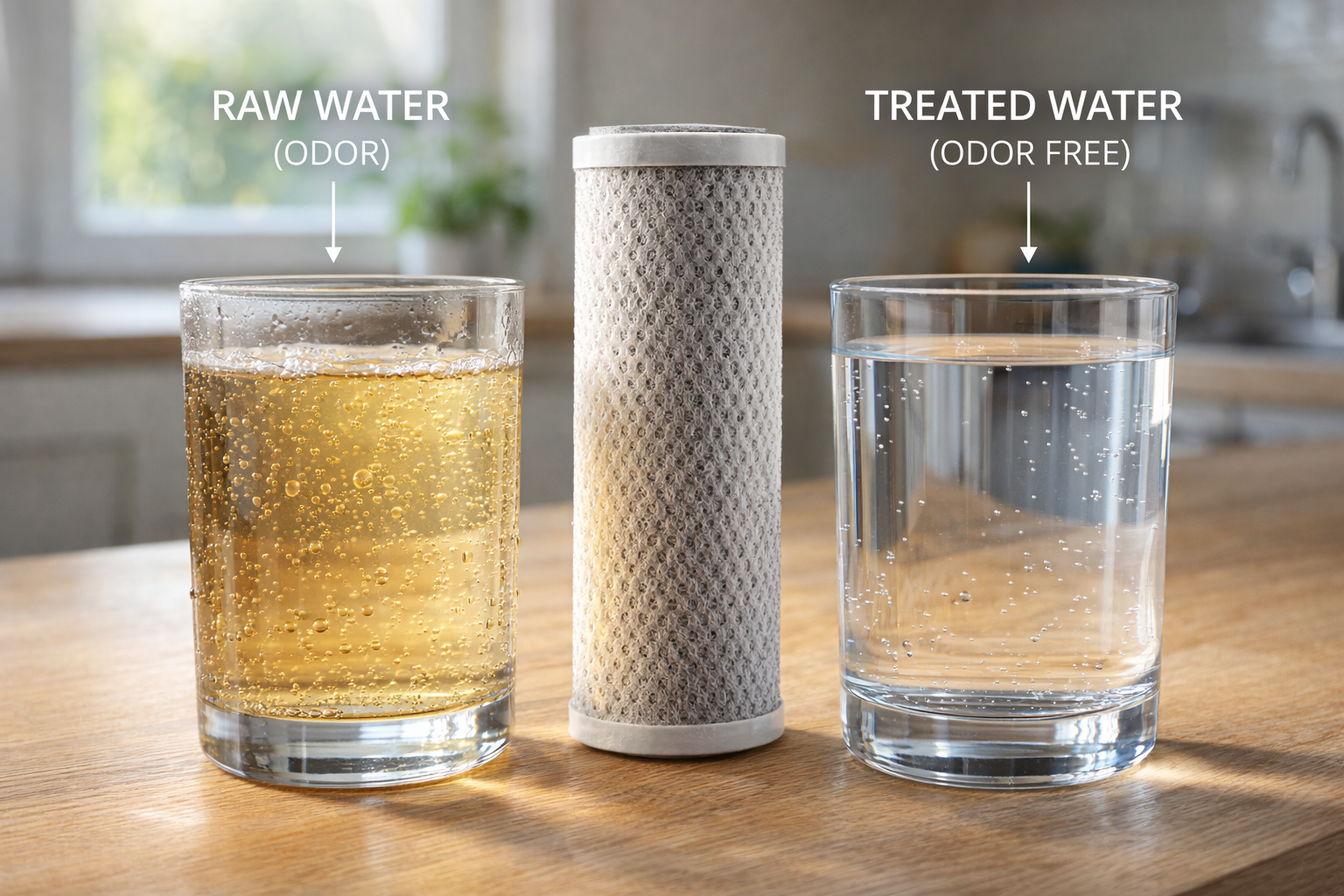 How to Remove Rotten Egg Smell From Your Water
Fun Fact: Why Does Sulfur Smell Like Eggs?
Hydrogen sulfide is the same gas that makes farts smell. Yes, really. Your water is literally smelling like a gastrointestinal event. Science isn’t always glamorous, but it’s honest.
In ancient Rome, sulfur-rich springs were considered sacred and medicinal. People paid good money to bathe in that stench. Today, you just want your tap water to not smell like a petting zoo—progress is a beautiful thing.
Quick Fixes for Instant Relief
Need a temporary solution while you troubleshoot? Boil the water for 15 minutes. Heat drives off hydrogen sulfide gas, and the smell dissipates. But wait—boiling can actually concentrate sulfur if the water is high in minerals, so test a small batch first.
Another trick: add a few drops of lemon juice to a glass of water. The citric acid binds with sulfur compounds and neutralizes the odor. It’s not a permanent fix, but it’s perfect for making that bedside water pitcher drinkable at 2 a.m.
For the whole house, a point-of-use reverse osmosis system under your kitchen sink will filter out hydrogen sulfide along with other nasties. It’s an investment, but so is your sanity when guests ask, “Is that… eggs?”
Cultural Detour: The Stink of Success
In Japan, hot spring resorts (onsen) often reek of sulfur, and tourists flock to them for the health benefits. The smell is a badge of authenticity—proof that the water is rich in minerals. Meanwhile, in modern American suburbs, that same smell is a red flag for rusty pipes or a forgotten water heater.
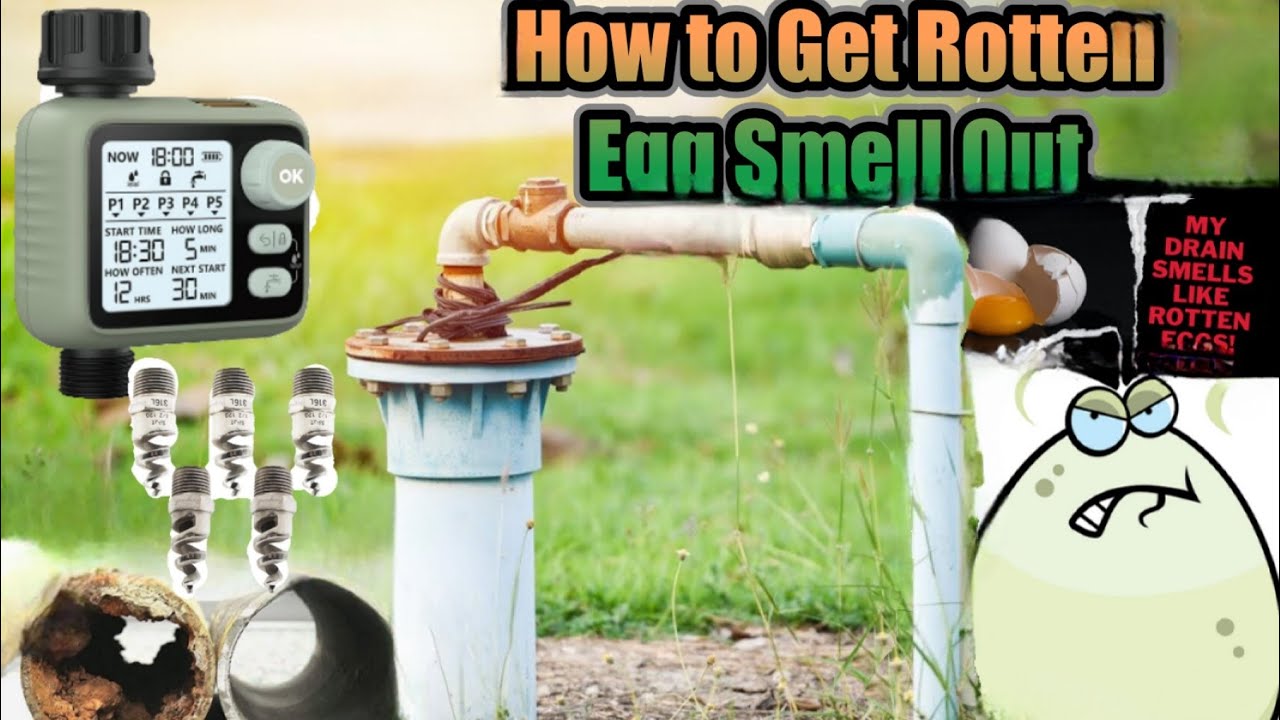 How To Remove/Fix Rotten Egg Smell On Well Water Just Under 50$ Dollars
Think of your smelly water as a cultural misunderstanding. It’s trying to be a luxurious spa, but it’s just failing at being a drinkable tap. Don’t blame the water. Fix it.
When to Call the Pros
If you’ve flushed, chlorinated, and filtered, and the smell is still haunting you like a bad ghost, you might have a city water supply issue. Some municipal systems briefly spike hydrogen sulfide levels during maintenance—call your local utility and ask. They might tell you to run your cold tap for five minutes, or they’ll send a team.
Also, if the water suddenly smells worse after a heavy rain, it could be a sewer line cross-contamination. That’s a serious health risk—call a plumber immediately. Don’t mess with that. Your nose knows when it’s time to panic versus when it’s time to just flush a water heater.
Final Reflection: The Smell of Home
Water is the most ordinary miracle. We turn a knob, and it arrives—clean, invisible, silent. When that miracle smells like a broken egg, it jars us awake. It reminds us that everything connected to the earth—plumbing, bacteria, pipes—is alive and needs attention.
Fixing the smell isn’t just about comfort. It’s about reclaiming a small piece of your daily peace. You brush your teeth, make coffee, water your plants—these tiny rituals deserve to be pleasant. Don’t tolerate a stinky tap. You’re not a stagecoach traveler from the 1800s. You have the tools. You have the knowledge. And now, you have the fix.
Turn that tap back into a friend. Your nose will thank you. Your morning routine will feel like a sigh of relief. And somewhere, a tiny bacterium will realize its punchline just got ruined.
