What Is Purified Water By Reverse Osmosis

So, my friend Lisa called me last week, totally panicked. She’d just bought a fancy water filter pitcher, but her tap water still tasted like a swimming pool had a fight with...

So, my friend Lisa called me last week, totally panicked. She’d just bought a fancy water filter pitcher, but her tap water still tasted like a swimming pool had a fight with an old garden hose. “I just want pure water,” she wailed. I felt her pain—literally, on my tongue.
That’s when I told her about the magic trick called reverse osmosis. You’ve probably seen it on water bottles at the gym, right? But what is it, really? Let’s ditch the science textbook and talk about it over a coffee—wait, we’re talking about water, so over a glass of water.
Imagine you’re playing a game of extreme red light, green light with water molecules. Regular tap water is a wild party of stuff: minerals, chlorine, fluoride, maybe some lead if your pipes are old—like that one neighbor who brings questionable dip to every potluck. Reverse osmosis (or RO for short) is the bouncer who kicks everyone out except the pure H₂O.
Must Read
Here’s how it works, in the simplest way possible. Water is forced through a super-tiny membrane—think of a sieve with holes so small that only water molecules can squeeze through. Everything else? Blocked. It’s like trying to push a beach ball through a keyhole. That’s why it’s called reverse osmosis, because you’re using pressure to push water against its natural flow.
What Does That Mean for Your Glass?
After RO, you get water that’s 99% free of contaminants. We’re talking dissolved salts, bacteria, pesticides—even that weird “earthy” taste from old pipes. Poof, gone. Your water becomes a blank canvas: crisp, clean, and a little boring in the most wonderful way.
But here’s the ironic part—and tell me if this sounds familiar. Because RO strips out everything, it also removes healthy minerals like calcium and magnesium. You know, the stuff that makes water taste “alive” and helps your bones. So while you’re drinking the purest H₂O on Earth, you’re also drinking water that’s essentially a dietary ghost.
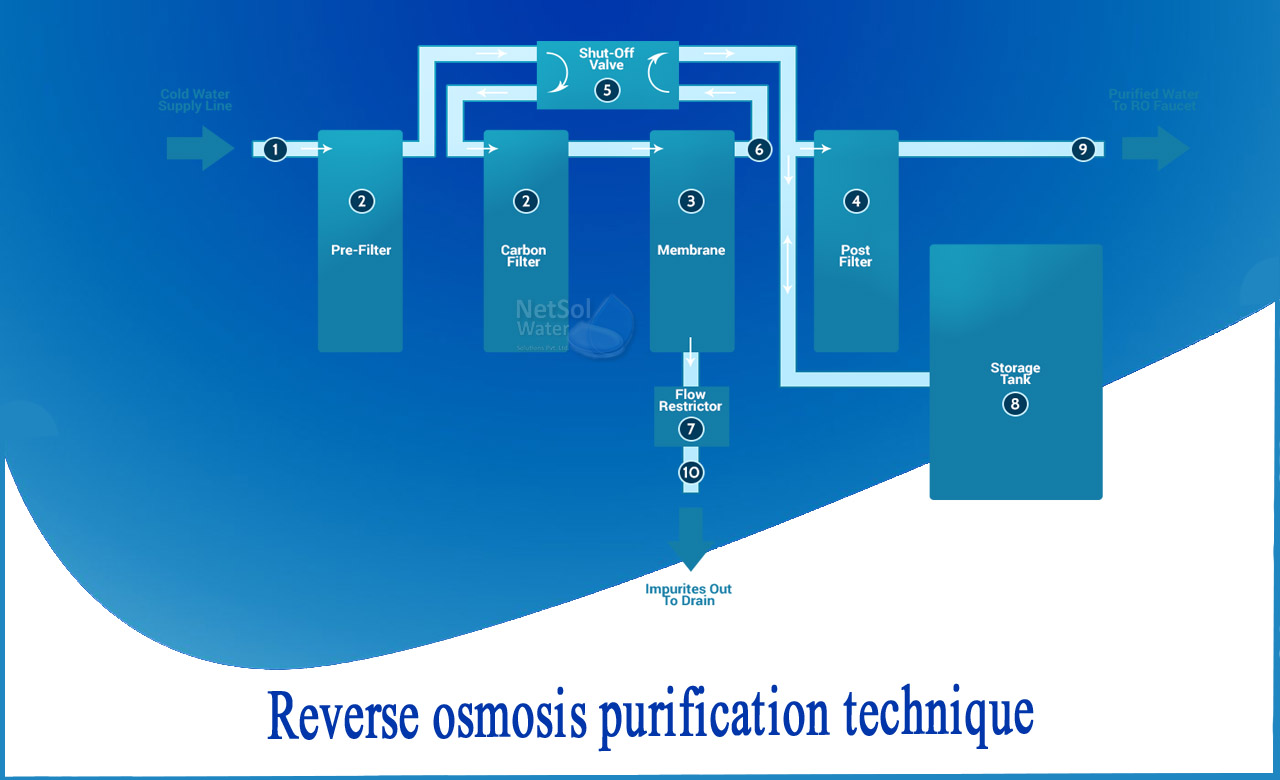 Reverse Osmosis Water Purification Method at Marilyn Stumpf blog
Is That a Problem? (Spoiler: Not Really)
Most of us get our minerals from food, not water. Unless you’re a marathon runner who lives on distilled water, you’ll be fine. Some people even add a mineral cartridge back into their RO system—like putting the cool kids back into the party after you’ve kicked out the troublemakers. Smart, right?
But wait—there’s a catch. RO systems are wasteful, and I mean really wasteful. For every gallon of pure water they make, they dump about three to four gallons down the drain. That’s like ordering a coffee and throwing away three cups just to get one sip. Ouch.
Of course, newer systems are getting better—some use “permeate pumps” to reduce waste. But if you live in an area with water shortages, you might want to think twice before installing one. Unless you’re okay with your garden feeling guilty about it.
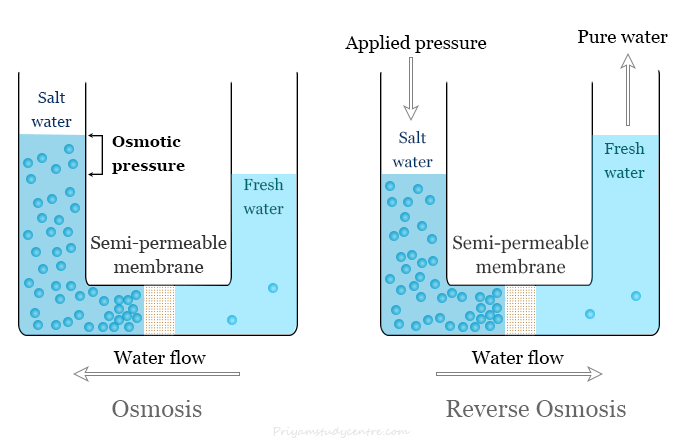 Reverse Osmosis - System, Definition, Process, Uses
So, Do You Actually Need It?
Here’s the real talk (you knew this was coming). If your tap water is safe and tastes fine, you don’t need an RO system. Seriously—save your money and buy a nice reusable bottle instead. But, if your water is from a well, has high levels of lead, arsenic, or that “swimming pool” funk, RO is a game-changer.
Think of it this way: RO is the overachiever of water filters. It’s not for everyone, but when you need it, it’s a lifesaver. It’s like having a tiny water treatment plant under your sink—no cape required.
The Final Sip
Lisa ended up buying an under-sink RO system. She sends me photos of her ice cubes now. “They’re so clear,” she gushes. And honestly? They are. Crystal clear, odorless, tasteless—the purest water money can buy. But I still tease her that she’s drinking the water equivalent of a blank white room. She doesn’t care. She’s happy.
So next time you see “purified by reverse osmosis” on a bottle, you can nod wisely. You now know the secret: it’s water that went through a very, very strict door policy. And your taste buds are the lucky VIPs.
