How To Fix High Water Level In Brine Tank

So, you peeked into your water softener’s brine tank and saw water up to your eyeballs. Don’t panic—it’s like finding the bathtub overflowing instead of just full. You’re not...

So, you peeked into your water softener’s brine tank and saw water up to your eyeballs. Don’t panic—it’s like finding the bathtub overflowing instead of just full. You’re not alone, and this is actually a super common quirk of home maintenance. Ready to become a brine tank whisperer?
First, Why Should You Even Care?
Think of your brine tank as the “muscle” of your water softener. It holds salt water (that’s the brine) that scrubs minerals off your resin beads. If the water level is too high, your system gets lazy—it can’t make the salty solution it needs to soften. The result? Hard water spots on your dishes and that scratchy feeling on your skin. Fixing the level isn’t just about plumbing; it’s about reclaiming your silky showers.
The Usual Suspects: What’s Causing the Flood?
Let’s play detective. Most high-water dramas come from three little gremlins: a stuck float, a clogged venturi valve, or a salt bridge. A stuck float is like a toilet flapper that won’t close—it just keeps letting water in. A clogged venturi is the vacuum cleaner hose that’s got a sock stuck in it. And a salt bridge? That’s a hard crust of salt that forms a tiny dam, blocking the salt from dissolving properly. Crazy, right?
Must Read
How to Spot a Salt Bridge (Without a Hard Hat)
Poke a broom handle gently into the dry salt layer. If you hit a hard crust about six inches down, bingo—that’s a salt bridge. Knock it loose carefully (don’t poke the tank walls), and watch the water level drop like magic. It’s like cracking open a geode—satisfying and weirdly fun.
Fix #1: The Float Check (Your Tank’s Thermostat)
Find the float assembly—it’s the plastic stem inside the brine tank that looks like a toilet float. If it’s stuck in the “up” position, the water keeps flowing. Gently jiggle it free with your hand. No luck? Check for a tangled float arm or a bent rod. Sometimes a simple wiggle is all it takes to restore balance. Isn’t it funny how the simplest fix works 80% of the time?
 What to do if your Culligan brine tank is full of water? - YouTube
Fix #2: The Venturi Valve (Your System’s Nose)
The venturi sits near the top of the control valve—it’s the part that sucks brine from the tank during regeneration. If it’s clogged with grit or salt residue, it can’t “sniff” out the water properly. Remove the venturi cover (check your manual—it’s usually a black plastic cap). Rinse it under warm water and gently clear the tiny holes with a toothpick. Imagine cleaning out a stuffy nose—ahh, instant relief. Reassemble and test.
Fix #3: The Drain Line Tangles
Sometimes the problem isn’t inside the tank—it’s the drain hose. If the drain line is kinked or plugged (like a straw with a finger over the top), water can’t flow out during the regeneration cycle. Check the hose behind your softener; make sure it’s not pinched by a cabinet door or buried under a pile of forgotten shoes. Straighten it out, and you might hear the water happily gurgle away.
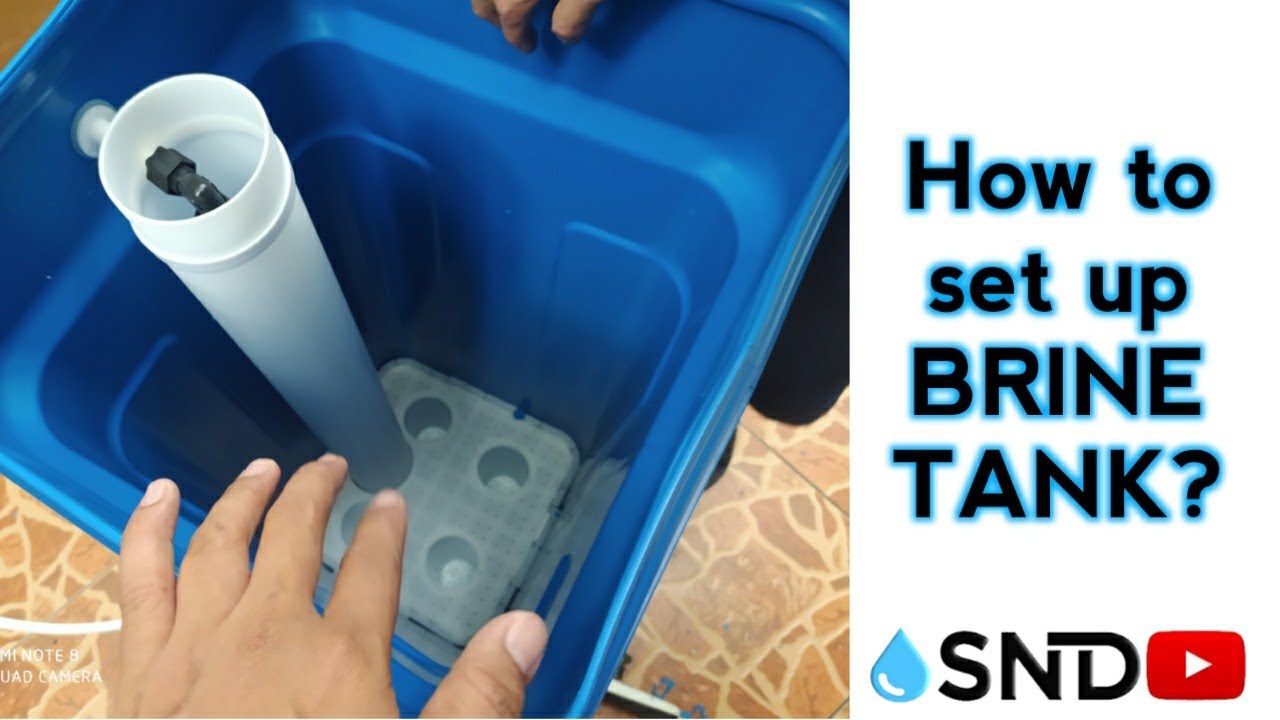 How To Lower Water Level In Brine Tank at Hayden Marr blog
When All Else Fails: The “Greener” Reset
If you’ve tried everything and the water remains stubbornly high, try a manual regeneration. This forces the system to do a full cleaning cycle, flushing out any trapped air or debris. It’s like hitting the reboot button on a glitchy phone—sometimes the software just needs a restart. Most units have a “Regen” button; press and hold it for a few seconds. Let it run its 90-minute dance, then check the brine tank again.
Why It’s Actually Kind of Cool to Fix This
Sure, it’s just water and salt, but you’re basically unlocking the secret language of your home’s backbone system. Every time you fix a brine tank, you’re preventing hundreds of gallons of wasted water and saving your plumbing from scale buildup. Plus, you get to sound like a pro when your neighbor complains about “water spots.” “Oh, just a stuck float,” you’ll say, sipping your tea with quiet confidence.
One last tip: use solar salt pellets instead of rock salt to reduce sludge. It’s like choosing smooth jazz over heavy metal for your tank—less drama. Now go ahead, give that float a friendly nudge, and enjoy your ultra-soft laundry. You’ve got this.
