How To Remove Calcium Deposits From Metal

So, picture this: I’m standing over my kitchen sink, staring down a faucet that looks like it’s been dipped in chalky, white concrete. My wife casually calls it “hard water,”...
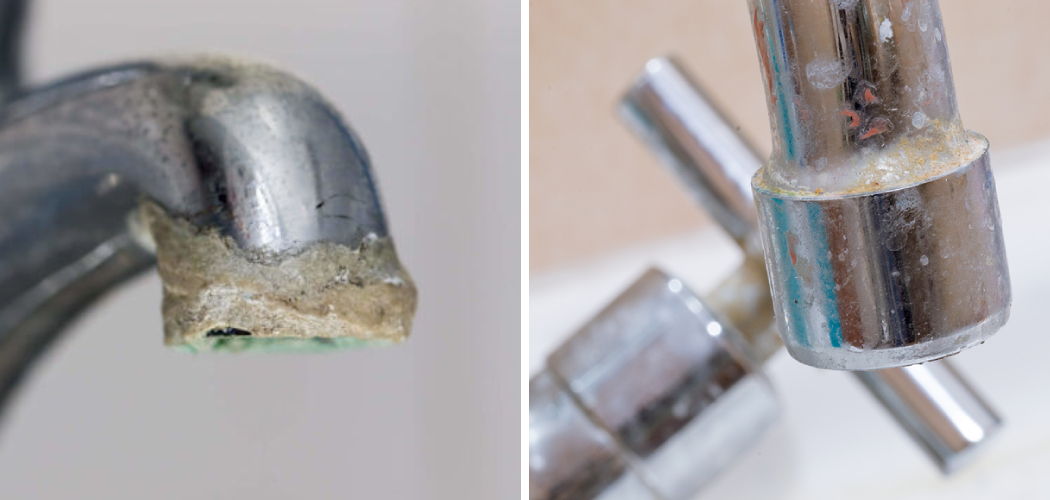
So, picture this: I’m standing over my kitchen sink, staring down a faucet that looks like it’s been dipped in chalky, white concrete. My wife casually calls it “hard water,” but I’m pretty sure these calcium deposits are plotting to take over the entire house. It’s crusty, it’s stubborn, and it’s making my nice brushed-nickel faucet look like a fossil.
That’s when I realized: metal isn’t supposed to look like a rock bed. Calcium deposits—that white, crusty stuff—are basically minerals that crash-landed on your shiny surface and decided to stay forever. But don’t worry, we’re going to evict them.
First, let’s talk about the number one undercover hero in your pantry: white vinegar. Yes, the same stuff you use for salad dressing can turn your faucets from “ancient ruin” to “modern chic” in minutes.
Must Read
Here’s the trick: soak a paper towel or cloth in undiluted white vinegar, then wrap it around the calcium-covered metal. Let it sit for 15 to 30 minutes—go make a coffee, scroll your phone, whatever. The mild acid in the vinegar breaks down those hard minerals like they’re made of lies.
After the soak, take an old toothbrush (not the one you use on your teeth, please) and give the area a gentle scrub. You’ll see the white crust flake off like it’s surrendering. Rinse with water, and bam—your faucet is glowing again.
But what if the deposits are really stubborn?
If your metal looks like it went scuba diving in a limestone cave, you might need a poultice paste. Mix baking soda with enough lemon juice or vinegar to make a thick paste—it should look like frosting for a weird science cookie.
Spread that paste over the deposits and let it dry completely (usually an hour or two). As it dries, it pulls the calcium out from the microscopic pores of the metal. Then just scrub it off—it’s oddly satisfying, like peeling dried glue off your hands.
Heads up: never use abrasive steel wool on stainless steel, aluminum, or chrome. You’ll scratch the finish, and then you’ll have ugly scratches to match your old deposits. Use a soft cloth or a non-scratch scrub pad instead.
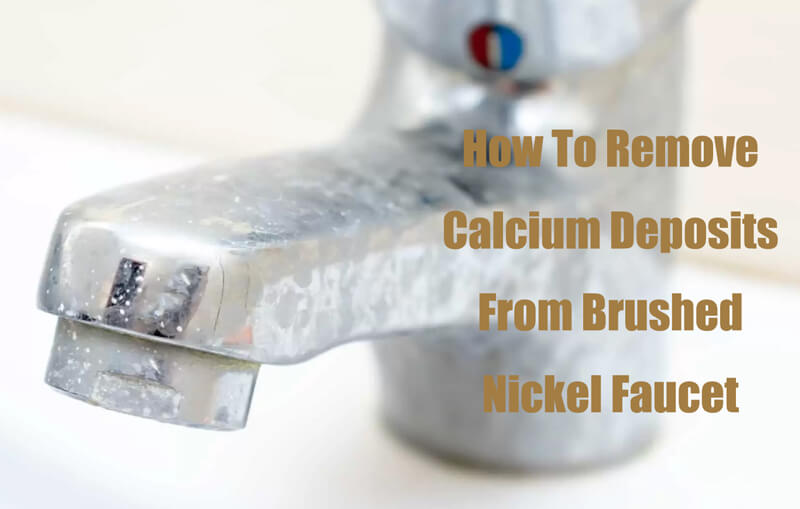 Calcium Removal From Faucets at Maggie Martinez blog
What about tough cases like brass or copper?
If you’re dealing with brass or copper (maybe a vintage doorknob or a fancy kettle), vinegar can actually discolor them—it can turn them a weird pink or green. Instead, make a paste with lemon juice and cream of tartar (or just lemon juice and salt).
Rub it gently, let it sit for five minutes, then rinse. This will dissolve the calcium without eating away the metal’s patina. Your antique hardware will thank you with a little sparkle.
Another pro tip: WD-40 isn’t just for squeaky doors. Spray it on a cloth and wipe down calcium deposits on metal tools or outdoor fixtures. The lubricant breaks the bond between the crust and the metal, making it easier to wipe off.
I’ve actually used WD-40 on a rusty old garden hoe, and it worked better than I expected—the calcium flaked off like dead skin after a sunburn. TMI? Probably, but you get the point.
Prevention—because cleaning is so last week
The best way to remove calcium deposits is to never let them build up in the first place. After every shower or sink use, quickly wipe down metal surfaces with a dry cloth. It takes ten seconds, and it stops the water spots from turning into geologic formations.
 How I Remove Calcium Deposits from Stainless Steel
If you’re really serious, install a water softener. It removes the calcium and magnesium from your water supply before they even reach your metal. Your faucets, pipes, and coffee maker will all live longer—and so will your sanity.
I tried the “dry cloth” method for two weeks, and my bathroom faucet looked brand new. Then I got lazy, and the crust came back. So yes, it’s a lifestyle choice—but at least now you know how to kick them out again.
One more weird trick that actually works: rubbing a lemon half over the deposits after your initial cleaning. The citric acid leaves a thin protective layer that makes future deposits easier to wipe off. Plus, your kitchen smells like a mojito.
And if your metal is anodized aluminum (like some cookware or outdoor furniture), do not use vinegar at all—it can pit the surface. Instead, use a dedicated calcium remover from the hardware store, or just wipe with a damp cloth and mild dish soap.
So, to wrap up: don’t let those white crusts win. You’ve got vinegar, baking soda, a little patience, and maybe some lemon juice. Metal is supposed to shine, not look like a science experiment gone wrong.
Now go free your faucet—you’ve got this. And if not, just call me. I’ll bring the vinegar.
