Why Does Florida Water Smell Like Sulfur

Ever turned on the tap in Florida and caught a whiff of something that reminds you of... rotten eggs? You’re not alone, and no, your nose isn’t broken. That distinctly funky,...

Ever turned on the tap in Florida and caught a whiff of something that reminds you of... rotten eggs? You’re not alone, and no, your nose isn’t broken. That distinctly funky, sulfur-like smell is a classic Florida quirk, especially for folks using well water or living near natural springs. But here’s the cool part: it’s not a sign of danger, but a signature of the Earth’s ancient chemistry bubbling up right in your sink.
The Secret Ingredient: Bacteria, but the Chilled-Out Kind
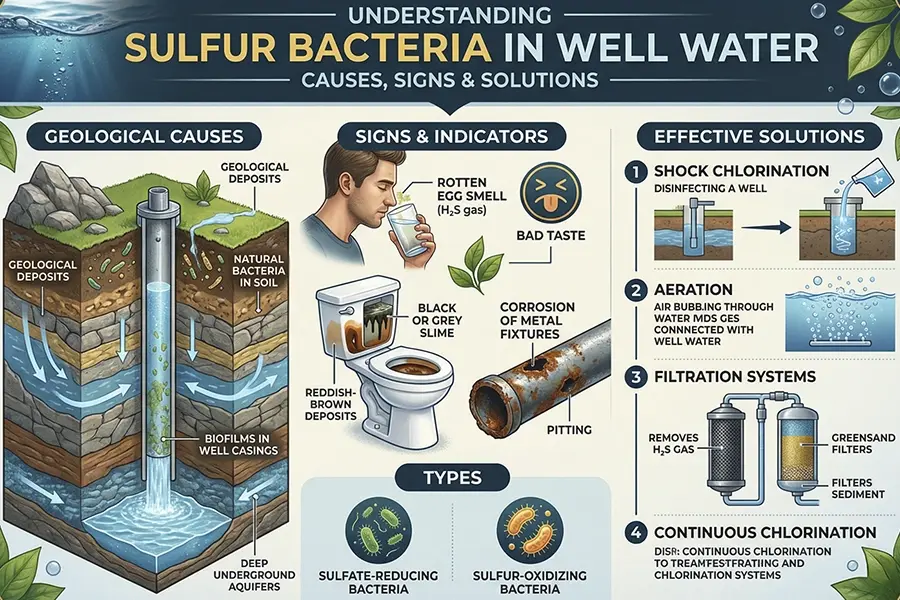
So, what’s actually making that stink? It’s a tiny, ancient organism called sulfur-reducing bacteria. These little guys love to live in low-oxygen environments, like deep underground aquifers or the inside of your water heater. Think of them as the quiet, hardworking neighbors who just happen to break down decaying plants and minerals, releasing hydrogen sulfide gas as a byproduct.
And that gas? It’s the direct source of the smell. Your nose is incredibly sensitive to hydrogen sulfide, even at tiny, harmless levels. It’s the same chemical that gives volcanic hot springs their signature aroma, tying your faucet to the planet’s most dramatic geology.
Must Read
Why Florida Specifically? It’s the Aquifer, Dude
Florida sits atop a massive, porous limestone foundation called the Floridan Aquifer. This isn’t just any water source; it’s an ancient, sponge-like rock system that’s been soaking up organic matter, like dead sea creatures and plants, for millions of years. When water sits in these dark, oxygen-starved pockets, those sulfur bacteria throw a party.
And here’s the twist: the smell can actually get worse in certain conditions. Leave a glass of Florida tap water sitting out, and the smell might fade as the gas escapes. But run your hot water? You’re basically making soup in your water heater, which speeds up the bacterial feast.
It’s a bit like how a cool, damp basement gets that musty scent—except Florida’s basement is the entire underground world. No moldy cardboard boxes, just ancient limestone and friendly microbes.
 Water smells like sulfur: Quick Fixes and Causes Explained
Is It Dangerous? (Spoiler: Usually Not)
Here’s the reassuring part: for most people, that sulfur smell is annoying, not alarming. The amount of hydrogen sulfide in typical Florida tap water is far below levels that could hurt you. It’s like the smell of a campfire lingering on your jacket—strong, but harmless unless you’re inhaling pure smoke all day.
That said, don’t drink it if it smells like a sewer. At high concentrations (which, honestly, you’d notice instantly because it’s unbearable), hydrogen sulfide can be toxic. But for the average homeowner, the smell is just a reminder that your water is alive with natural processes.
Think of it this way: if your water tasted like a swimming pool (chlorine), you might worry. But smelling like volcanic springs? That’s just Florida saying, “Hey, I’m geologically interesting under here.”
The Coolest Fix: It’s Easier Than You Think
If the stink bugs you, don’t fret. The simplest fix is often flushing your water heater or installing a special filter meant for sulfur. Some people just run hot water for a few minutes to flush the bacteria out. Others use a system that injects a tiny bit of chlorine or hydrogen peroxide to knock those microbes off their high horse.
 What Causes Sulfur Smell in Well Water? Causes & Fixes
But here’s the fun part: some Florida residents actually embrace the smell. In towns like Blue Springs or Weeki Wachee, the sulfur is part of the local charm. You can’t visit a natural spring there without catching a faint whiff of the stuff—it’s like the water is winking at you, saying, “I’ve been underground for a hundred years. Deal with it.”
The Big Picture: Your Sink is a Time Machine
Next time you smell that rotten-egg vibe, take a second to think about what it really is. That hydrogen sulfide gas is a product of ancient organic matter decomposing in a giant, prehistoric sponge. It’s the same process that creates the smell of hot springs in Yellowstone or the mud pots in Iceland.
In a way, your faucet is connecting you to the planet’s deep, slow metabolism. Florida’s water isn’t just wet—it’s geologically alive. And while you might crack a window or use a filter, you can also smile and whisper, “Thanks for the history lesson, bacteria.”
So, is the sulfur smell gross? A little. Is it surprisingly cool? Absolutely. Remember, a little stink never hurt anyone—it just makes Florida feel a bit more wild, a bit more real. And in a world of clean, sterile tap water, isn’t it kind of refreshing to get a whiff of the raw Earth once in a while?
