Where Does The Water In A Well Come From

You know that feeling when you twist the kitchen faucet and clean, cool water comes pouring out? It’s almost like magic. But for millions of people, that magic starts far belo...

You know that feeling when you twist the kitchen faucet and clean, cool water comes pouring out? It’s almost like magic. But for millions of people, that magic starts far below their feet, in a place we rarely think about: a well.
So, where does that water actually come from? It’s not a secret underground river running like a subway beneath your house. The truth is a little more down-to-earth—literally.
Meet the Sponge Beneath Your Feet
Think of the ground as a giant, slow-moving sponge. This sponge is made of layers of sand, gravel, and cracked rock. When rain falls or snow melts, gravity pulls that water down into every tiny pocket and crack in this sponge.
Must Read
That water doesn’t just sit there. It moves—incredibly slowly, sometimes just a few feet per year. This underground storage area is called an aquifer, and it’s the well’s personal reservoir.
Your well is basically a long straw poked deep into that natural sponge. The pump at the top sucks up the water that has been slowly filtered and stored for months, years, or even centuries.
A Raindrop’s Long Journey (and Your Morning Coffee)
Imagine a single raindrop that falls on a field five miles from your house. It soaks into the earth, trickling past layers of dirt and rock. It might take ten years for that drop to finally reach the bottom of your well.
By the time you brew your morning coffee with it, that water has been naturally filtered by the earth itself. It’s like nature’s own Brita filter, scrubbing out particles and adding healthy minerals along the way.
That’s why well water often tastes so crisp and refreshing. It’s not just tap water—it’s a sip of history from a raindrop that fell before your kids were born.
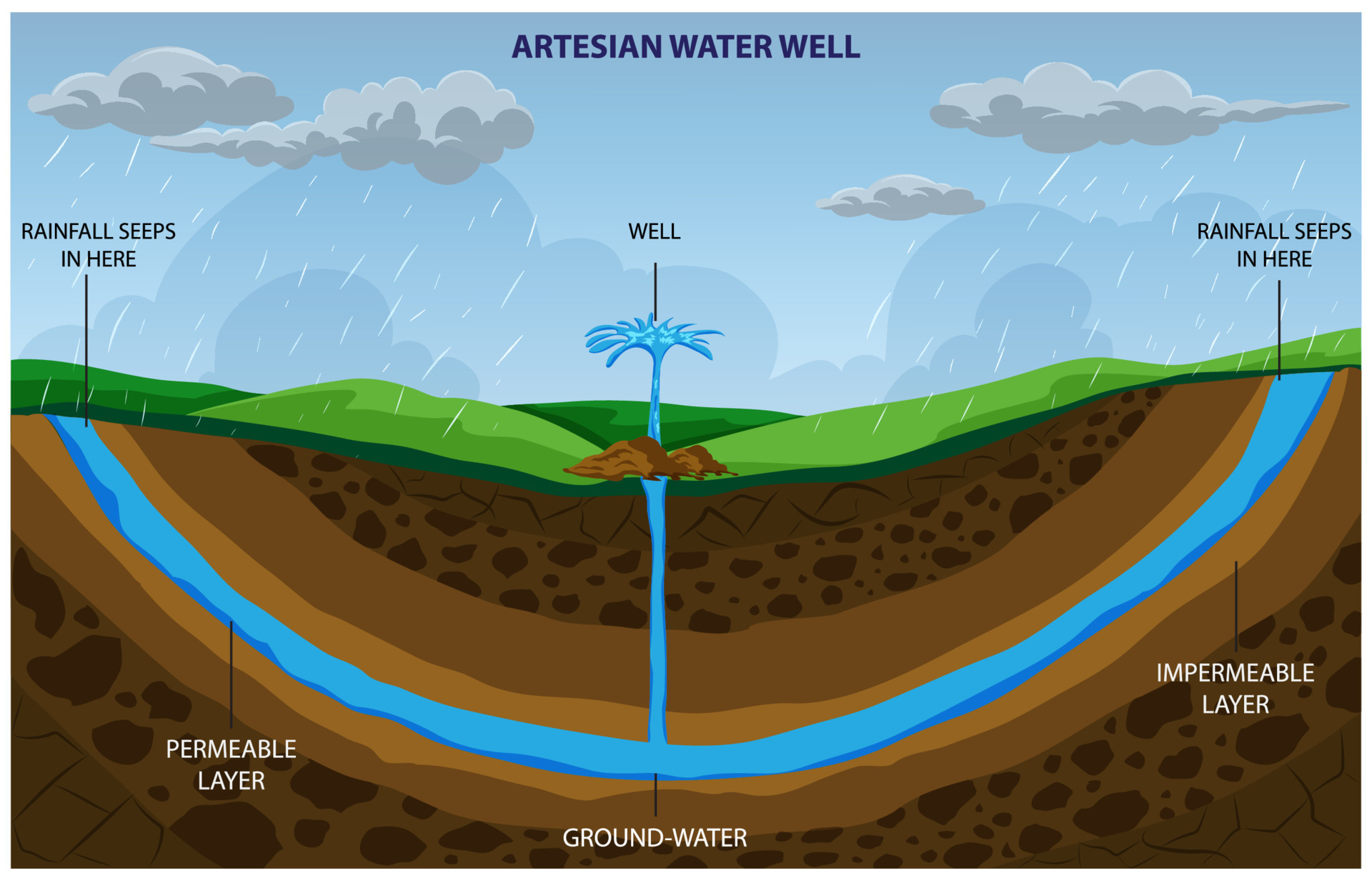 Artesian Well Diagram
Why Should You Care? (Besides the Obvious Thirst Thing)
You might think, “I don’t have a well, so this doesn’t matter to me.” But hold on—every single person draws from the same global water cycle. If you live in a city, your reservoir is fed by rivers and lakes that also connect to the ground.
Here’s the fun part: the water in your well is a finite savings account. If we use it faster than rain can refill the sponge, the account goes empty. In some places, wells have literally run dry because we treated them like an endless faucet.
The next time you let the hose run while washing the car, picture that slow sponge struggling to keep up. It’s a small, easy- going thought that can change how you see a drizzle or a sunny day.
Real Life: The Mystery of the Dry Well
My neighbor Gary once had a well that started spitting mud. He panicked—no showers, no garden water. We called a well driller, who explained that a new housing development had “sucked the sponge dry” a mile away.
Gary had to drill deeper, into an older, slower layer of the sponge. It cost a pretty penny, and it all could have been avoided if everyone had just used a little less water during the drought that summer.
It’s a gentle reminder: we’re all connected to that same underground world, whether we see it or not.
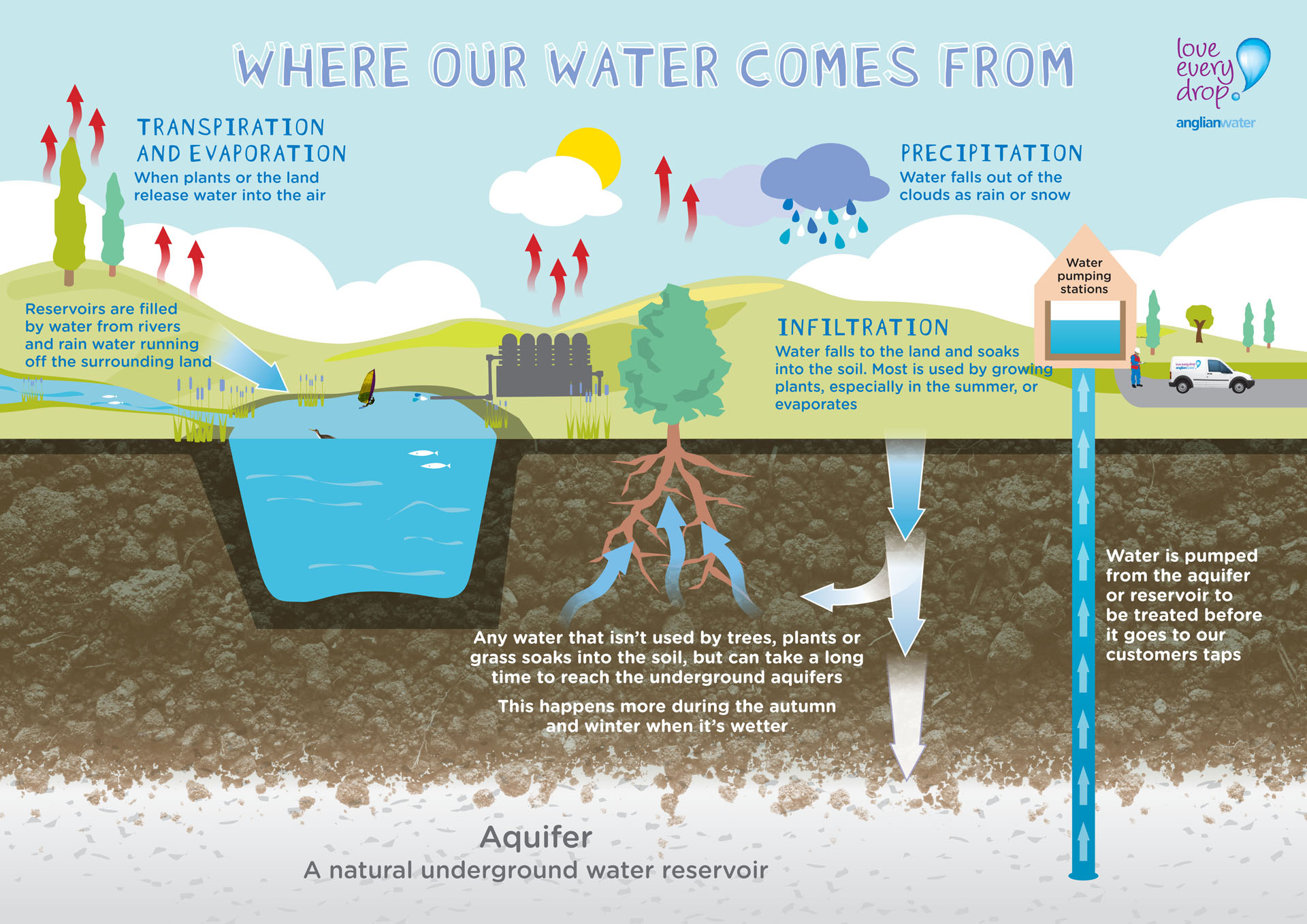 Where Does My Water Come From Southern Water at Stephen Gallagher blog
The Water You Can’t See Is the Water You Need Most
Here’s something wild: only about 1% of the world’s fresh water is in rivers and lakes. The rest is locked in ice, the atmosphere, or—you guessed it—underground in aquifers. Wells are our direct line to that hidden treasure.
That means the water in your well is older, purer, and more resilient than surface water. It rarely evaporates, and it’s protected from many pollutants. No wonder farmers, rural communities, and even some cities depend on it.
So when you drink a glass of well water, you’re tasting the planet’s savings account—a slow, steady gift from the sky that took decades to arrive.
A Simple Way to Help the Magic Keep Going
You don’t need to be a scientist to protect your well water. Just think about what you pour down the drain: chemicals, oil, or even too much fertilizer. These things can seep into the sponge and poison the well for years.
Or, you can do something as easy as planting a rain garden in your yard. The plants soak up rain, let it filter slowly into the ground, and help recharge your local aquifer. It’s a win for your garden and your well.
And honestly, it’s cool to think that the water you’re using today might have been a cloud over your grandmother’s childhood home. That’s a connection worth caring about, one sip at a time.
