How Often Does A Water Softener Recharge

Ever wonder what your water softener is doing down there in the basement or garage? It’s not just sitting around looking pretty. It has a secret life, and the most important p...

Ever wonder what your water softener is doing down there in the basement or garage? It’s not just sitting around looking pretty. It has a secret life, and the most important part of that life is something called recharging.
But how often does it actually do this? Is it like clockwork, or does it just wing it? Let’s dig into the weird, wonderful world of water softener regeneration.
Think of it like a dishwasher for your water
Your water softener is basically a big, smart bin full of resin beads. These beads are like tiny magnets that grab onto the hard minerals—calcium and magnesium—that make your water feel scratchy and leave spots on your glasses.
Must Read
After a while, those beads get full. They’re sticky with minerals and can’t grab any more. That’s when the softener goes into recharge mode, which is really just a fancy way of saying it cleans itself.
It flushes salty water through the resin beads, rinsing away all the hard stuff. The beads get fresh, and the cycle starts over. Pretty cool, right?
So, how often does it happen? It depends.
The short answer is: every two to three days for most home units, but that’s not the full story. Some softeners recharge every night, while others might wait a whole week. It all depends on how much water you use and how hard your water is.
Think of it like your phone battery. If you’re a heavy user—long showers, lots of laundry, a big family—your softener runs out of “juice” faster. Do you plug your phone in every night, or only when it hits 10%? Your softener is the same way.
Here’s the fun part: modern softeners are smart. They don’t recharge on a dumb timer anymore. Many models track your water usage and only recharge when they actually need to, which saves salt and water.
Timer vs. meter: two different vibes
Older water softeners use a timer. They just say, “Hey, it’s Tuesday at 2 AM, time to clean!” even if you barely used any water. It’s like setting your coffee maker to brew at 7 AM, even when you’re on vacation—wasteful, but simple.
 How Often Should A Water Softener Recharge | Detroit Chinatown
Newer ones use a meter. They measure exactly how many gallons of water have flowed through and do the math. When you’ve used up enough water to fill the resin beads, it recharges. It’s like a fuel gauge for your softener.
This meter system is way more efficient. Why recharge on Monday if you didn’t even shower on Sunday? It’s all about being smart with resources.
What about big families or small households?
If you live alone and shower like a cat (quick and efficient), your softener might only recharge once a week. A family of five with two teenagers who take 20-minute showers? You might be looking at a nightly recharge.
And don’t forget the water hardness. If you live somewhere with crazy-hard water, like parts of Arizona or the Midwest, your softener has to work overtime. It’ll recharge more often because those beads fill up faster. Compare that to a place with soft-ish water, where it chills out longer.
It’s a bit like comparing a busy coffee shop in a big city to a quiet one in a small town. One is constantly restocking, the other can take its sweet time.
What happens during a recharge?
You might not even notice it happening. Most softeners are programmed to recharge late at night, like 2 AM, when nobody’s using water. You just wake up to soft, silky water without ever knowing a party went down in your basement.
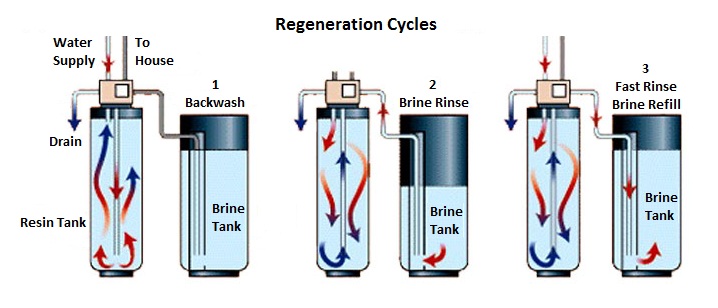 How Long Does it Take for a Morton Water Softener to Recharge? (Brief
But sometimes, if you take a shower during a recharge, you’ll get this weird, salty, slippery feeling. Ever had that? It’s not harmful—just your softener throwing a little tantrum because it’s busy cleaning itself.
If you hear a gurgling noise or see a tiny bit of salt in your water, that’s normal. Your softener is just doing its job. It’s like your fridge making that ice-crunching sound—annoying, but totally fine.
How to know your sweet spot
Want to figure out your softener’s rhythm? Check the manual or look at the display panel. Many units have a “recharge history” or “days since last regeneration.” It’s usually under a setting called “regen frequency.”
If you notice salt disappearing too fast, or if your water starts feeling a bit hard again, it might mean your softener is recharging too little. On the flip side, if you’re wasting salt and water, it might be recharging too often. Balance is everything—even for machines.
You can adjust the settings yourself, or call a pro if you’re not into tinkering. It’s a simple tweak that saves you money and keeps your water feeling dreamy.
So, next time you’re rinsing a squeaky-clean glass or feeling that silky skin after a shower, give a little nod to your water softener. It’s down there, recharging every few days, working hard so you don’t have to. How cool is that?
