Does Boiling Water Take The Fluoride Out

So, you’re standing in your kitchen, kettle whistling like a tiny, angry dinosaur, and you wonder: Is this boiling thing actually screwing up my teeth? You’ve heard that fluor...
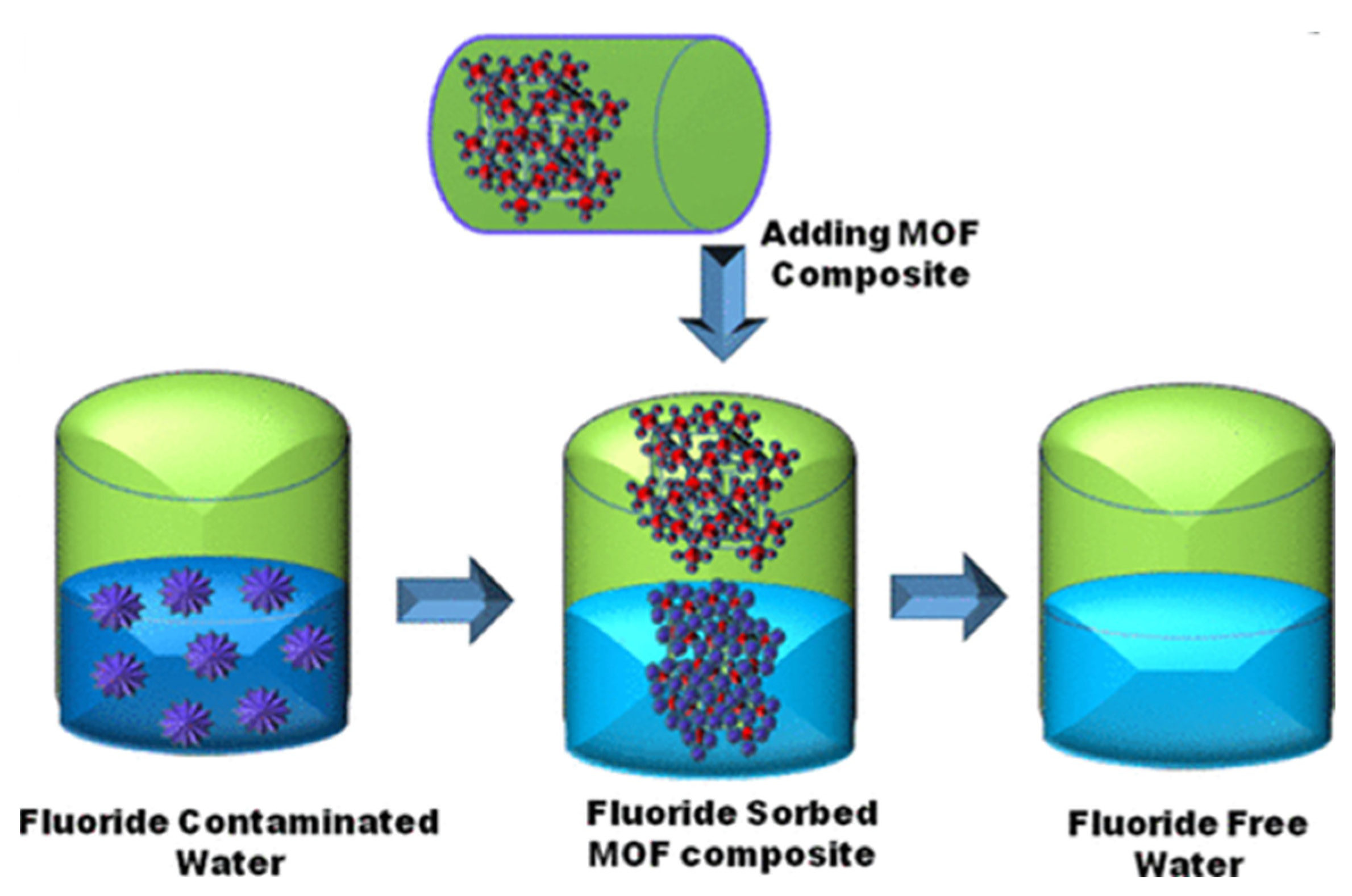
So, you’re standing in your kitchen, kettle whistling like a tiny, angry dinosaur, and you wonder: Is this boiling thing actually screwing up my teeth? You’ve heard that fluoride is great for fighting cavities, but you’ve also heard that boiling water might kick it to the curb. It’s one of those kitchen counter conspiracies that makes you feel like a mad scientist every time you make tea.
Let’s be real: You’re not alone. I once spent a whole Sunday afternoon convincing my brother that no, he didn’t need to buy a fancy filter just because his tap water claimed to have “extra” minerals. He was ready to boil a pot for an hour, like he was brewing a witch’s potion. The truth is, it’s way simpler than that—and way less dramatic.
The Short, Boring Science Bit (With a Smile)
Here’s the deal: Boiling water does not remove fluoride. Think of fluoride like that one friend who shows up to every party and refuses to leave, no matter how loud you play the music. Fluoride is a mineral, and minerals don’t just evaporate into thin air when water gets hot.
Must Read
When you boil water, you’re basically just making the water molecules get all excited and dance around until some turn into steam. The fluoride? It stays right there, hanging out in the pot like a stubborn stain on your favorite shirt. It doesn’t disappear—it just gets more concentrated as the water level drops.
Imagine you’re making a really salty soup. If you boil it down, the salt doesn’t vanish; it just gets saltier. Same with fluoride. So unless you’re boiling that kettle until it’s bone-dry and you’re scrubbing the residue off the bottom, you’re not getting rid of it.
Why This Myth Won’t Die (And Why It’s Kind of Funny)
The myth probably started because we’re used to boiling water to kill bacteria or remove chlorine. That works! Chlorine is a gas, so it does evaporate when you boil water—just like when you leave a glass of tap water out and it smells less like a swimming pool. It’s easy to assume all “chemicals” act the same.
But fluoride is a solid mineral, not a gas. Boiling is like trying to kick a boulder out of your driveway by blowing on it. It’s not happening. A study from the University of Florida (yes, they actually studied this) found that even prolonged boiling only removes about 1% of fluoride. That’s like saying you “cleaned” your room by moving one sock under the bed.
 Fluoride in water prevents some cavities but concern about health risks
So, if you’re trying to avoid fluoride—say, for a specific health reason—boiling is about as useful as using a garden hose to put out a campfire. You’re just making steam and wasting your gas bill.
The Real-Life Test: Your Morning Coffee
Think about your morning coffee ritual. You boil water, pour it over grounds, and drink it. If boiling removed fluoride, your coffee would suddenly become a “fluoride-free zone,” and dentists everywhere would weep. But no—your coffee keeps your enamel just as protected (or unprotected) as your tap water.
I actually tested this once at my aunt’s house. She was convinced her “boiled water” was special. She even labeled a pitcher “Magic Teeth Water.” I took a sip and said, “Aunt Linda, this tastes exactly like regular water.” She looked hurt, like I’d insulted her secret recipe. The fluoride was still there, laughing at us from inside her kettle.
The bottom line? If you want to reduce fluoride, you need a reverse osmosis filter or a distillation unit. Those are the big guns. Boiling is just a cozy, useless gesture—like wearing a raincoat in the shower.
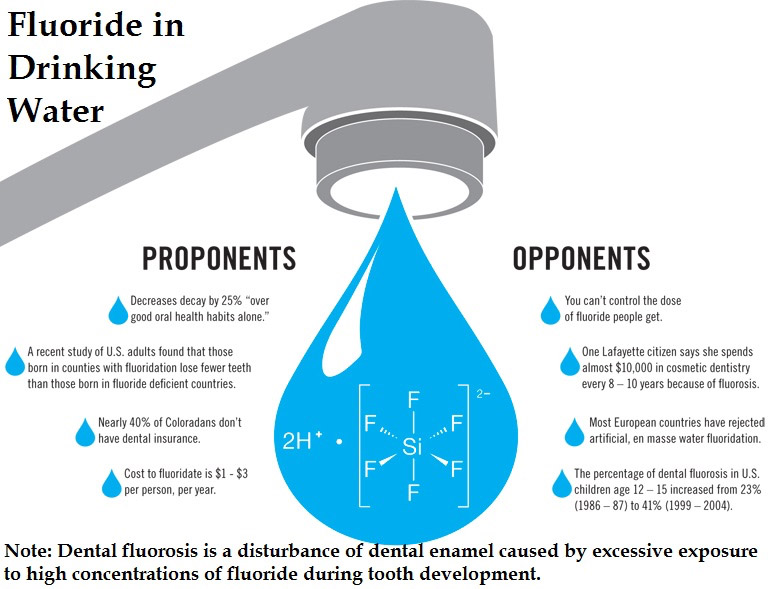 Water Fluoridation by Nima Alipour D.O. - Marque Urgent Care
So, What Should You Actually Do?
If you love your tap water (like me, because it’s free and convenient), keep drinking it. Boil it for tea, boil it for pasta, boil it for soup—it’s fine. Your teeth will get the same fluoride bonus they always did. If you’re worried about cavities, brush and floss like a normal person.
But if you’re one of those people who really wants to remove fluoride, save your energy. Boiling won’t do it. It’s like trying to get a cat to take a bath—futile, messy, and you’ll just end up frustrated. Buy a filter, or move to a town with naturally low fluoride. Or, you know, just accept that your water is your water.
Remember: Fluoride is not your enemy. It’s the reason your teeth didn’t rot out during that candy binge in 2017. So the next time your kettle whistles, just pour that water into your mug and relax. The fluoride is still there, working its magic—and it’s not going anywhere, no matter how long you boil it.
Now go make that tea. Your teeth are fine. Your sanity? Well, that’s a different conversation.
