Reverse Osmosis How Much Water Is Wasted

Let’s talk about reverse osmosis. It sounds like a fancy science lab procedure, but really, it’s just your home water filter having a very dramatic meltdown over impurities. Y...

Let’s talk about reverse osmosis. It sounds like a fancy science lab procedure, but really, it’s just your home water filter having a very dramatic meltdown over impurities. You’ve probably heard it wastes water—like, a lot of water. And you’re right. But the truth is funnier and weirder than you think.
The Great Water Sacrifice
For every gallon of purified water a reverse osmosis (RO) system makes, it typically dumps three to four gallons down the drain. That’s an 80% waste rate. Your kitchen filter is basically a tiny, polite terrorist holding your tap hostage: “Give me four gallons, or the clean glass gets it.”
If that sounds insane, it’s because it kind of is. Imagine filling your bathtub, taking one sip, then letting the rest gurgle into the sewer. That’s your RO system’s daily routine. Your water bill starts looking like you’re running a secret giraffe car wash.
Must Read
Why Does It Waste So Much?
The magic isn’t magic—it’s physics. RO uses a semi-permeable membrane that acts like the world’s most stubborn bouncer at a club. Only water molecules get in; salts, lead, and your sad coffee grounds are brutally rejected. But to keep that bouncer from clogging up, it needs a constant “flush” of high-pressure water to wash the junk away.
That flush is where the waste comes from. It’s called “reject water,” and it’s more concentrated than your ex’s texts. The membrane can’t work without that heavy flow, so it’s less about waste and more about a high-maintenance relationship with your plumbing.
A shocking fact: some commercial RO systems waste 20 gallons for every one gallon of clean water. That’s enough to fill a small swimming pool just to make a pitcher of water for your desk. We live in a world where we wash water to make other water drinkable. Are we sure dolphins aren’t running the government?
The “Not All Waste Is Equal” Loop
But wait—before you throw your filter in the trash and move to a rain barrel, know this: modern home RO systems are getting better. High-efficiency models now cut waste down to a 1:1 ratio. One gallon wasted for one gallon good. That’s still a 50% tax, but it’s a friendlier mugging.
There’s also a sneaky trick: you can capture that reject water for your plants. Your ferns love that high-mineral runoff. They get a spa treatment while you get crisp, zero-TDS water. It’s a symbiotic relationship—your lettuce gets a gnarly mineral bath, you get guilt-free hydration.
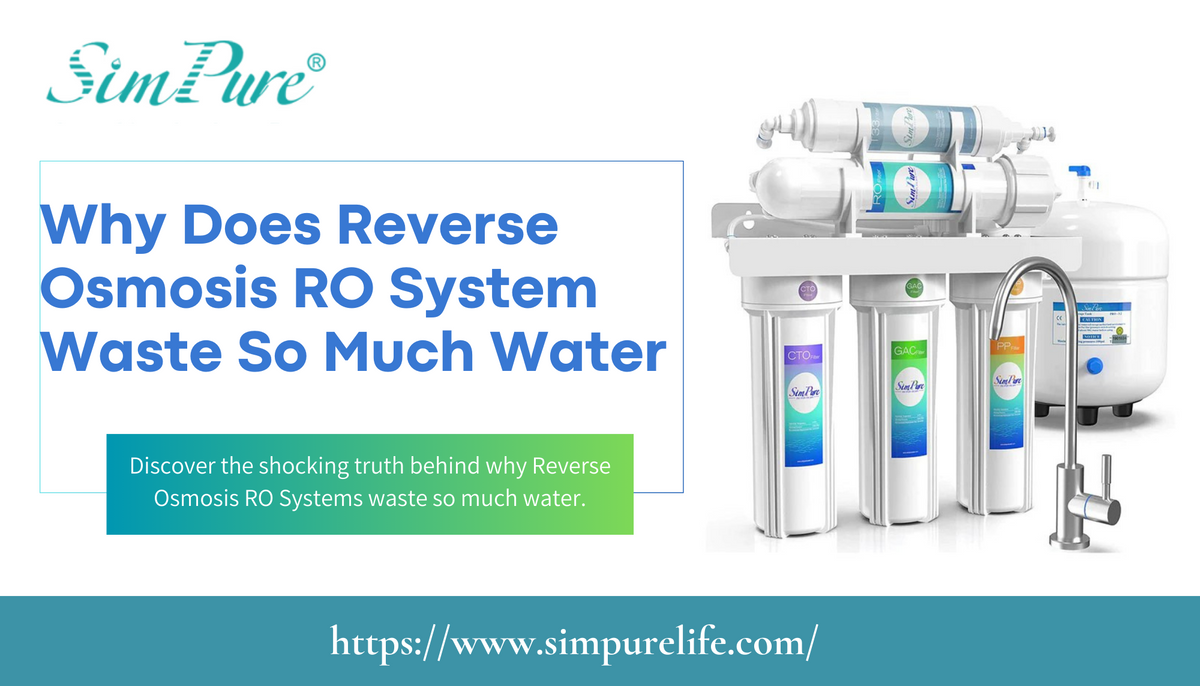 Ro Water Waste: How Much Water Does Reverse Osmosis Waste? – JKAUL
Fun science aside: the waste water isn’t toxic. It’s just saltier and more concentrated. You could theoretically drink it, but you’d pucker like you kissed a lemon battery. So don’t. Your taste buds have opinions.
Is It Worth the Waste?
Here’s the punchline: if your tap water is already decent (like from a city supply), RO is overkill. You’re wasting four gallons to remove tiny amounts of chlorine that your carbon filter already handled. That’s using a flamethrower to toast a marshmallow.
But if you live somewhere with well water that tastes like a rusty penny, arsenic, or nitrate runoff from a manure factory? RO is your hero. That 80% waste becomes the price of not drinking lawnmower runoff. It’s a luxury tax on survival.
Here’s the weird math: the average person drinks about half a gallon of water a day. An RO system wasting 4 gallons per gallon good means you dump 2 gallons for every day you hydrate. That’s 60 gallons a month just for your face. You could fill a beer keg with waste every week. A sad, salty keg of regret.
How to Waste Less Water (and Your Dignity)
You can buy a permeate pump that recycles some of the reject water back. It’s like giving your RO system a second chance at life, though it costs about $40 and sounds like a tiny washing machine under your sink. Your own personal gurgling gerbil.
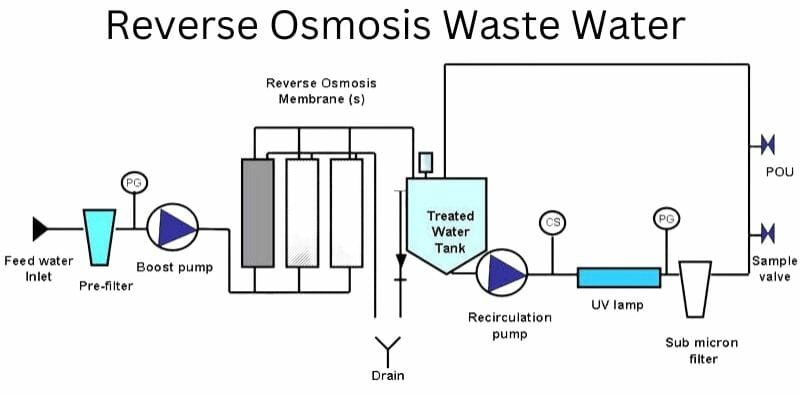 Reverse Osmosis Waste Water: The Facts!
Alternatively, get a 1:1 ratio system. They exist. They’re not cheap, but you’ll save enough water over a year to flood your neighbor’s lawn. Which is a passive-aggressive power move I fully endorse.
And remember: most RO waste is just water you already paid for. So you’re essentially buying expensive water to throw away expensive water in order to keep the expensive water you keep. It’s the circular economy for people with too much sink space.
The Final Rinse
Reverse osmosis is a water hog. It’s the Hummer H1 of home filtration—impressive, thirsty, and your friends will judge you. But if you live in a place where your tap could double as a chemistry experiment, it’s a necessary evil.
Just don’t think about it too hard. Ignorance is bliss, and bliss is a cold glass of water that didn’t cost 4 gallons of its cousins’ lives. Or, you know, get a kettle and deal with your tap’s flavor like a rebel.
Cheers—from your sink’s tiny, wasteful, and strangely heroic membrane.
