How To Clean Water Dispenser Bottom Load

So, your bottom-load water dispenser has started whispering secrets when you fill your mug, and that whisper smells faintly of swamp? Welcome to the club—the “I have a fancy a...

So, your bottom-load water dispenser has started whispering secrets when you fill your mug, and that whisper smells faintly of swamp? Welcome to the club—the “I have a fancy appliance that’s slowly evolving into a science experiment” club. The good news: you don’t need a hazmat suit, just a little courage and some household stuff you probably already own.
First, let’s get one thing straight: that bottom-load design is a genius way to lift heavy jugs, but it’s also a masterclass in hiding slime. The dark, damp tubing inside is basically a five-star hotel for biofilm, those little bacterial communities that throw parties you didn’t invite. A 2017 study actually found that office water dispensers can harbor more bacteria than a toilet seat—so yes, you’re drinking from the party zone.
The Pre-Game: Unplug and Panic (Briefly)
Unplug the beast. Seriously, do not skip this step unless you enjoy a water-fountain light show followed by a shocking handshake. Next, remove the water jug—this is your chance to feel like a weightlifting champion, even if you groan like an old floorboard.
Must Read
Here’s a surprising fact: that jug isn’t actually sealed tight with germs; the air that bubbles into it as you drink is what introduces most nasties. Once the jug is out, dump out the drip tray—that shallow plastic grave where coffee drips and cat hair go to die. Rinse it in hot, soapy water and mentally prepare for the deep clean.
The Deep Clean: Where You Become a Plumbing Surgeon
Now for the vsco girl of cleaning solutions: white vinegar. Mix one part vinegar to three parts water—no, not your fancy balsamic, just the cheap stuff that smells like regret. Pour this magical potion into the water reservoir (the basin where the jug’s spike punctures in). Let it sit for at least 15 minutes. If you feel like a mad scientist, let it soak for an hour—the vinegar will dissolve mineral scale and slime like a boss.
While it’s soaking, grab a bottle brush or a clean toothbrush (please, not the one you use on your teeth). Scrub every nook of the reservoir, the spigots, and that little hose that hangs down like a sad noodle. Fun tip: if you use a tiny funnel, you can pour vinegar-water mix directly into the hot water tank and flush it—just be ready for a blast of hot vinegar steam that smells like a pickling accident.
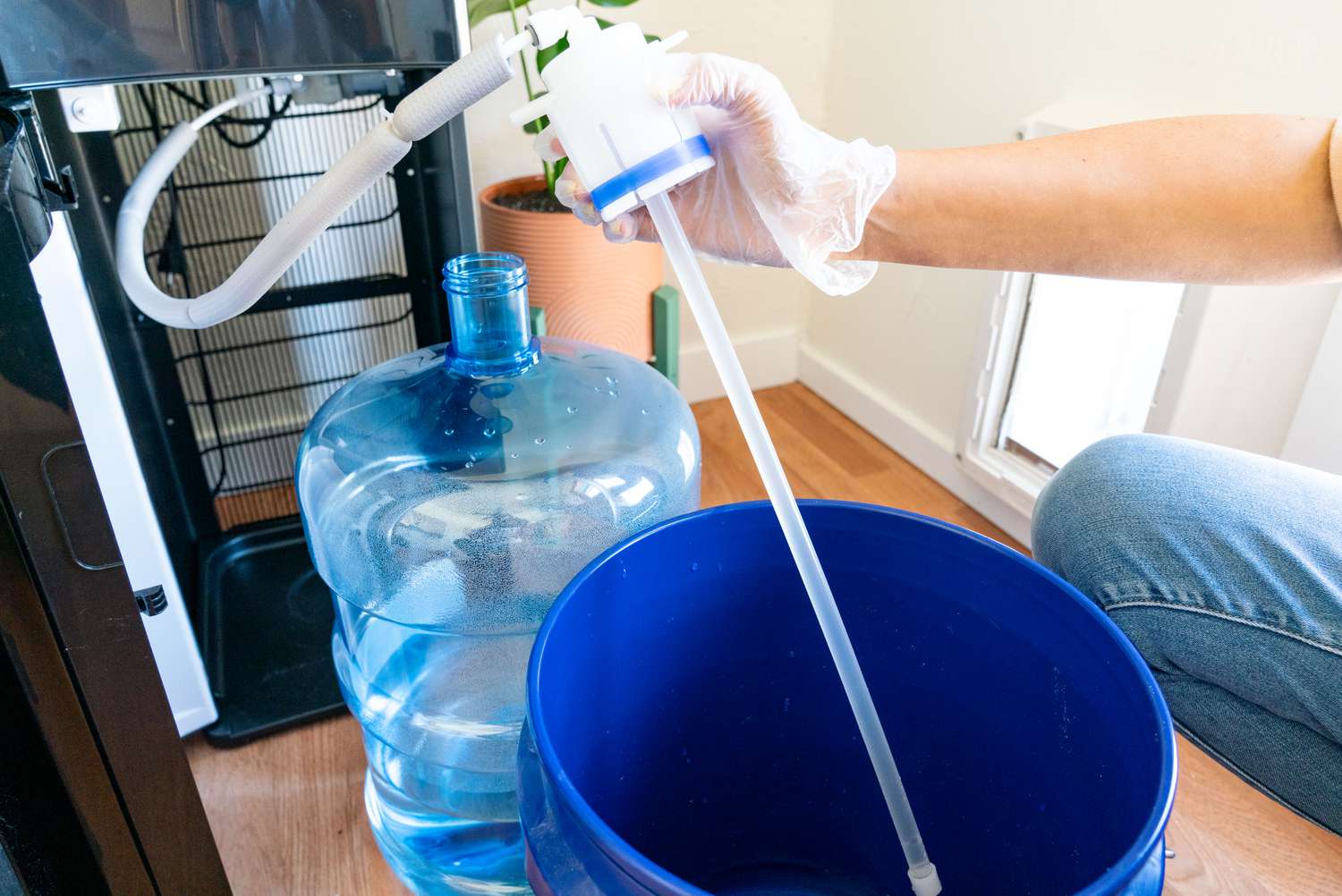 How To Clean Bottom Load Water Dispenser | Storables
“But wait,” you say, “what about the cold water line?” Great question, future plumber. The cold line is trickier—it’s usually wrapped in a metal cooling coil. Don’t put vinegar in there unless you want your water dispenser to taste like salad dressing for a week. Instead, just run several gallons of fresh water through the system after cleaning the reservoir.
The Rinse: The Most Boring but Crucial Part
After the vinegar soak, dump the reservoir (it’s okay to cry a little—it’s strong stuff). Then, fill it with clean, fresh water and run that through all the spigots—hot, cold, room temp. Do this at least three times. I know, it’s tedious, but if you skip this, your morning coffee will have a suspicious “gourmet artisan vinegar” back note. Nobody wants that.
Surprising fact: the hot water tank inside these units can hit 190°F, which is actually hot enough to pasteurize bacteria. So if you’re lazy, just run the hot water for a few minutes—you’ve effectively made a tiny sterilization chamber. But don’t rely on that for deep cleaning; heat doesn’t remove scale or that weird slime that looks like a ghost’s snot.
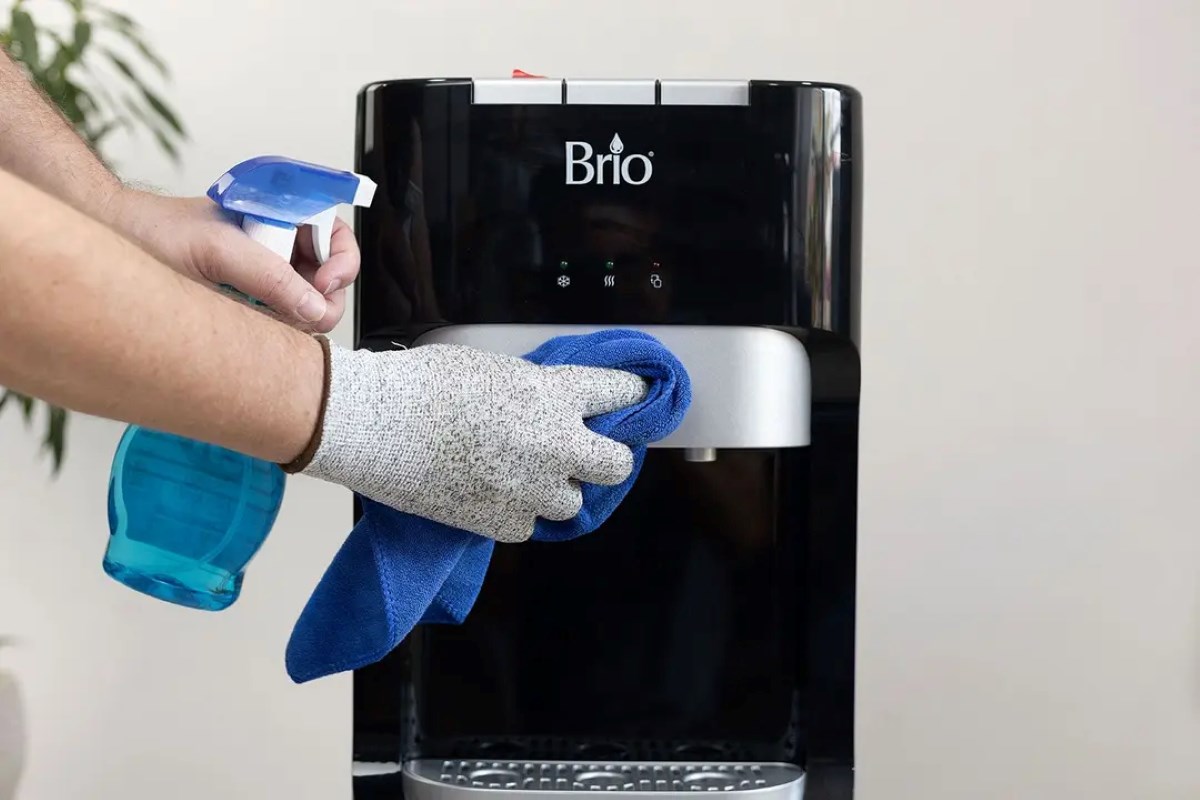 How To Clean Bottom Load Water Dispenser | Storables
The Final Showdown: Reassembly and Taste Test
Dry everything with a clean, lint-free cloth. Not your gym towel. That one smells like regret too. Pop the drip tray back in, hook up a fresh jug of water, and plug it in. Wait two minutes—I know, the drama is killing you—then pour a cup of water. If it smells clean and tastes like nothing, you’ve won. If it smells like a science fair, you need more rinses.
One more thing: clean your dispenser every two to three months, or every time you change the jug if you live in a tropical climate where mold grows on your optimism. And please, for the love of all that is bubbly, never use bleach. Bleach residue can mess up the plastic and make you taste like a swimming pool’s revenge.
So there you have it—a bottom-load water dispenser cleaning guide that’s part comedy, part chemistry, part exercise. Now go ahead, fill that mug with confidence. And if you still hear whispering? It’s probably just your fridge judging you. Ignore it.
