What Is A Brine Well On A Water Softener

So, you’ve got a water softener—or you’re thinking about getting one. And someone mentioned a “brine well,” and now you’re picturing a tiny, salty swimming pool for ants. I ge...

So, you’ve got a water softener—or you’re thinking about getting one. And someone mentioned a “brine well,” and now you’re picturing a tiny, salty swimming pool for ants. I get it. The name sounds like something a mad scientist would brew in a basement lab. But don’t worry—it’s way more straightforward than that.
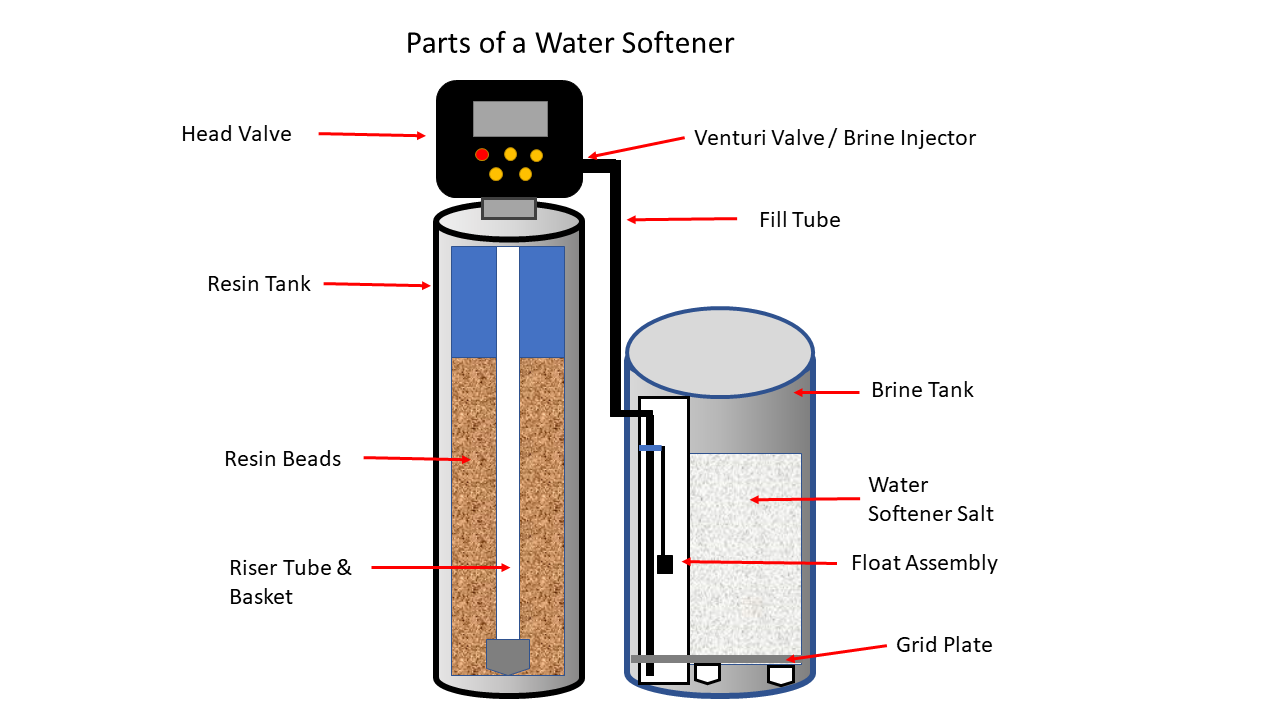
A brine well is essentially the salt tank of your water softener. It’s the big, plastic tub you’ve probably been pouring salt into without a second thought. Think of it as the cockpit where the magic—or rather, the chemistry—happens. It’s not a “well” you fall into, unless you’re a very small mouse with a death wish.
So, What’s the Big Idea?
Your water softener uses a process called ion exchange to strip hard minerals like calcium and magnesium from your water. But that process uses up resin beads in the softener’s main tank. To recharge those beads, you need a salty brine solution.
Must Read
That’s where the brine well comes in. It’s where the salt dissolves into water, creating that brine. It’s basically a salt lounge where the water goes to get a little too salty, then it gets flushed into the resin tank to clean things up. A spa day for your pipes, if you will.
Inside the Brine Well: A Salty Science Lesson (Fun Edition)
Pop open the lid of your brine well, and you’ll see a tower of salt blocks or pellets. Underneath, there’s usually a grid or a plate that keeps the salt from plugging the drain. Below that? Water—just sitting there, waiting to become salty.
When the softener says, “Time to recharge!” it lets water seep into the well. The salt dissolves, and the resulting brine gets sucked out by a venturi valve. Honestly, it’s not rocket science—it’s just salty water traveling through a tube. But don’t tell the softener that; it thinks it’s genius.
If you ever see a crusty buildup on top of the salt, that’s okay. It’s just the well getting a little too excited. A quick whack with a broom handle breaks it up. Think of it as unclogging your softener’s sinuses.
Why Do You Need to Care About It?
Honestly? Because if the brine well goes haywire, your water softener turns into a sad, expensive paperweight. If the salt bridge (a hard crust of salt) forms over the water, no brine gets made. Your family will be stuck washing dishes in water that feels like it’s made of rocks.
 Water Softener Brine Tank Parts Diagram and Function
Or worse, if the brine well overflows, you get a salty, slimy mess on your basement floor. A brine flood is not a beach vacation—it’s a headache you’ll mop up while muttering, “I should have checked the salt level.” So keep an eye on it.
A simple trick: every month, lift the lid and see if the salt level is below the water line. If it is, add more salt. If it’s not, give the pile a gentle poke. Your softener will thank you by not breaking down right before holiday guests arrive.
Common Myths About Brine Wells (Debunked, with Sass)
Myth #1: You need to use special, expensive “water softener salt.” Not really. Plain table salt works, but it’s not recommended because it can clump and create a mass that looks like a saltier, grosser Mount Everest. Stick with pellets or block salt designed for softeners. Your brine well deserves the good stuff.
Myth #2: The brine well is full of dangerous chemicals. Nope. It’s just salt and water. You could technically drink it, but you’d gag from the saltiness. It’s like taking a shot of ocean water—a terrible idea, physically possible, but emotionally scarring.
Myth #3: You never have to clean it. Oh, you sweet summer child. If you neglect it, the bottom of the well turns into a murky, salty soup filled with grit and sludge. Think swamp water, but with a sodium kick. Clean it out once a year. Your softener will purr like a happy cat.
 How Much Salt Should You Use? Trusted Advice from WaterSmart Experts
How to Spot a Brine Well Problem (Before It Spots You)
If your water suddenly feels slimy or tastes like a salt lick, your brine well might be dumping too much brine into the resin tank. That’s a float valve issue. The float valve is the little lever that says, “Enough water, you salty monster!” If it gets stuck, you get a salty waterfall into your house water.
On the flip side, if your water feels hard again (scummy soap, stiff laundry), the brine well might not be producing enough brine. That means the resin beads stay dirty and tired. They need a salty pep talk. So check the salt level and the brine well for clogs.
Most problems are easy to fix with a little patience, a bucket, and maybe a YouTube tutorial. You don’t need to be a plumber—just a willing soul with a trowel and a prayer.
The Uplifting Conclusion (You Made It!)
So here’s the bottom line: a brine well is just a glorified salt bucket that keeps your water soft. It’s not scary, it’s not mysterious, and it definitely doesn’t contain tiny mermaids. It’s your home’s quiet, salty sidekick that works day and night so your showers feel like silk and your dishes don’t look cloudy.
Next time you pour a bag of salt into your brine well, give it a little nod of appreciation. Heck, if you’re feeling dramatic, whisper, “Thank you for the soft towels.” Your softener won’t hear you, but your conscience will feel great. And when your water runs clear and your soap lathers like a dream, remember: it’s all thanks to that humble, briny little well doing its job.
Go ahead, be proud of your brine well. It’s not glamorous. It’s not sexy. But it’s the heart of your soft water system—and your hair and skin are better off because of it. Now, go enjoy a fluffy towel and a glass of non-salty water. You’ve earned it.
