How To Get Rid Of Nitrates In Well Water

You know that feeling when you take a big gulp of water from your tap, expecting that crisp, clean taste, but instead get a weird, slightly bitter finish? Yeah, that’s your we...

You know that feeling when you take a big gulp of water from your tap, expecting that crisp, clean taste, but instead get a weird, slightly bitter finish? Yeah, that’s your well water waving a red flag. Chances are, you’ve got a nitrate party happening in your aquifer, and you definitely didn’t RSVP.
Why Nitrates Crash Your Water Party
Nitrates are like that house guest who shows up uninvited and keeps raiding your fridge. They sneak in from fertilizers, septic systems, or even animal waste, hitching a ride straight into your groundwater. While they’re harmless in small amounts, too many nitrates can mess with your blood’s oxygen flow, which is especially bad for babies and pets.
Imagine your body’s red blood cells are little Uber drivers. Nitrates hop in, change the destination, and suddenly your oxygen is stuck in traffic. That’s why the EPA sets a strict limit of 10 mg/L—anything higher, and you’ve got a problem.
Must Read
Test Before You Wrestle
Before you start panic-buying water filters, you need to know exactly what you’re dealing with. Grab a nitrate test kit from your local hardware store or county extension office—it’s cheaper than a decent pizza and way more useful. Dip the strip, wait a minute, and watch the color change. If it turns a shade of pink that screams “stop sign,” you’ve got elevated nitrates.
I once tested my own well and thought the strip was broken because it was so dark. Turns out, my neighbor’s prize-winning pumpkin patch was using a little too much fertilizer. Classic.
Option 1: The Reverse Osmosis Lifesaver
If you want a serious solution that works like a bouncer at a club, get a reverse osmosis (RO) system. It pushes water through a semi-permeable membrane that’s so picky, it kicks out nitrates, lead, and even that weird metallic taste. You can install one under your kitchen sink for a few hundred bucks or get a whole-house version if you’re feeling fancy.
Picture this: your well water is a messy toddler with spaghetti on its face. The RO system is the patient parent with a wet wipe. It takes a bit of time (and wastes some water in the process), but the result is crystal-clear, nitrate-free H2O.
 3 Ways to Remove Nitrates from Water - wikiHow Health
Option 2: Ion Exchange – The Swap Meet
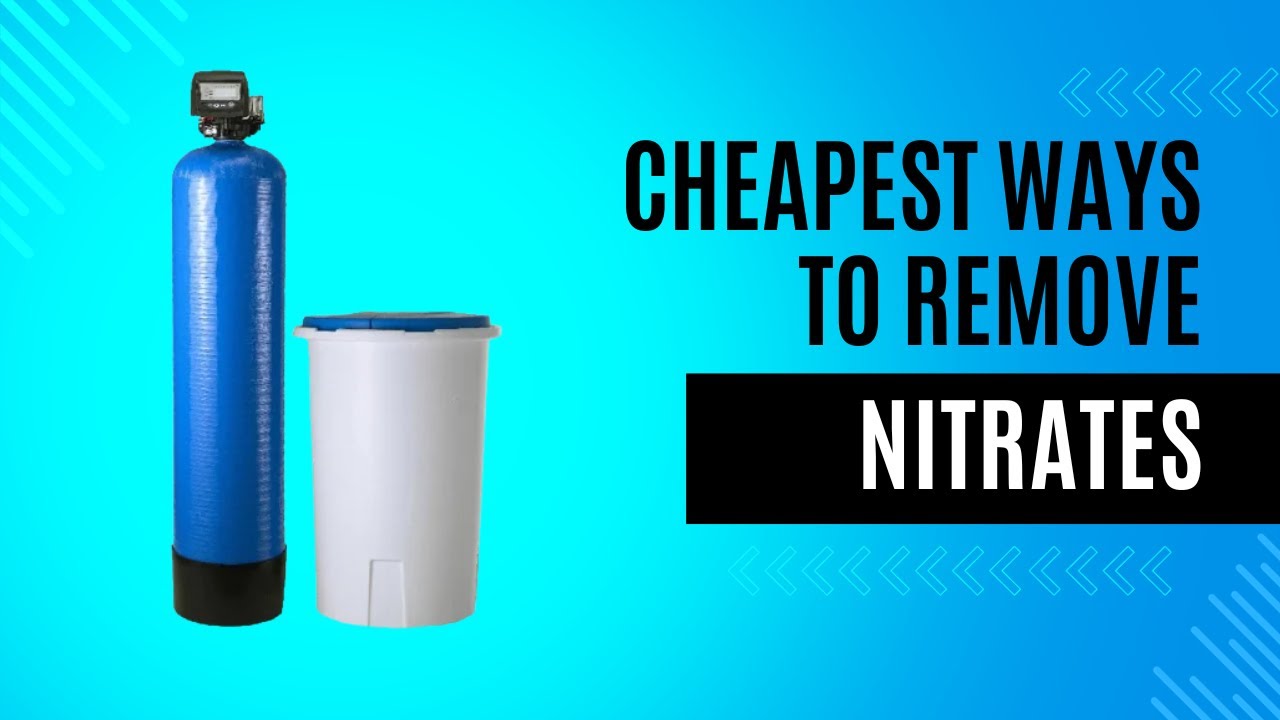
Another solid choice is an ion exchange system, which is like a swap meet for negative charges. It trades nitrates for chloride ions, usually using a resin tank. This is the same technology used in water softeners, so if you already have one, upgrading to a nitrate-specific resin is a no-brainer.
The funny part? You’ll need to recharge the resin with salt periodically. It’s basically giving your water filter a salt bath. Treat it right, and it’ll treat you right.
Option 3: Distillation – The Lazy Chef’s Trick
Distillation is exactly what it sounds like: boil water, catch the steam, and let it condense into pure water. It’s the same way you’d make a stock, but instead of soup, you get de-nitrated perfection. Countertop distillers are affordable and easy to use, but they’re slow—think of them as a slow cooker for clean water.
I tried this once and felt like a mad scientist. I boiled five gallons and got two gallons of pure water. The rest? It stayed behind as a gross, concentrated sludge. Do not drink the sludge.
Option 4: The Green Approach – Fix the Source
Here’s the pro tip: instead of just filtering, stop nitrates from coming. Check your septic system for leaks, get your fertilizer use audited, or plant a buffer zone of trees and grasses around your well. These plants act like drunk bouncers, throwing nitrates out before they get near your water.
 Do Skimmers Remove Nitrates at Megan Gerow blog
One buddy of mine planted a dozen willow trees; now his water is cleaner than bottled stuff, and his yard looks like a mini forest. Meanwhile, I’m over here with a dead lawn and a filtration bill.
What Not To Do (Please)
Do not, under any circumstances, try to boil nitrates out of water. Boiling actually concentrates them, turning your safe-ish soup into a nitrate bomb. Also, don’t rely on a basic carbon filter—it’s like using a flyswatter to fight a tiger. Nitrates are stubborn molecules; they need the heavy artillery.
When in Doubt, Drink Bottled (Temporarily)
If your test results are scary high (over 20 mg/L) and you’re waiting for a system to arrive, just switch to bottled water for drinking and cooking. Your coffee will taste the same, I promise. It’s a temporary fix, but it beats turning your morning brew into a chemistry experiment.
The Bottom Line: You’ve Got This
Getting rid of nitrates isn’t rocket science—it’s more like learning to dance with your well water. You test, you choose your weapon (RO, ion exchange, distillation, or source control), and you stay consistent. A little effort now means many years of safe, tasty water.
And hey, if all else fails, you can always move to a city with a municipal supply. But then you’d have to deal with chlorine. Trust me, nitrates are the devil you prefer.
