How To Treat High Nitrates In Well Water

So, you’ve just tested your well water and found high nitrates. Bummer, right? It sounds scary and technical, but trust me, this is totally fixable. Think of it not as a disas...
So, you’ve just tested your well water and found high nitrates. Bummer, right? It sounds scary and technical, but trust me, this is totally fixable. Think of it not as a disaster, but as a home-improvement adventure that makes your water sparkle with safety.
Wait, What Are Nitrates Anyway?
Nitrates are basically a form of nitrogen that sneaks in from fertilizers, septic systems, or farm runoff. They’re not monsters, but too much can mess with your health—especially for babies and pregnant folks.
The good news? Your water isn’t ruined forever. It just needs a little TLC and a smart game plan. You’ve got this.
Must Read
Step One: Know Your Numbers
First, call a certified lab to test your water properly. Don’t trust a DIY strip from the hardware store alone—you want the full story. The EPA says anything over 10 mg/L is a problem, so get your exact count.
This test is your map. Once you know the number, you can choose the right weapon to slay the nitrate dragon. Knowledge is power—and also cleaner drinking water.
Step Two: Pick Your Treatment Hero
You have a few awesome options, and none require a chemistry degree. Let’s break them down like a fun menu.
Reverse Osmosis (RO) Systems: These are the rock stars of nitrate removal. They push water through a fancy membrane that catches nitrates like a bouncer at a club. You install one under your kitchen sink, and voilà—pure, crisp water for drinking and cooking. It’s elegantly simple and surprisingly affordable.
 How to Remove Nitrates from Well Water - YouTube
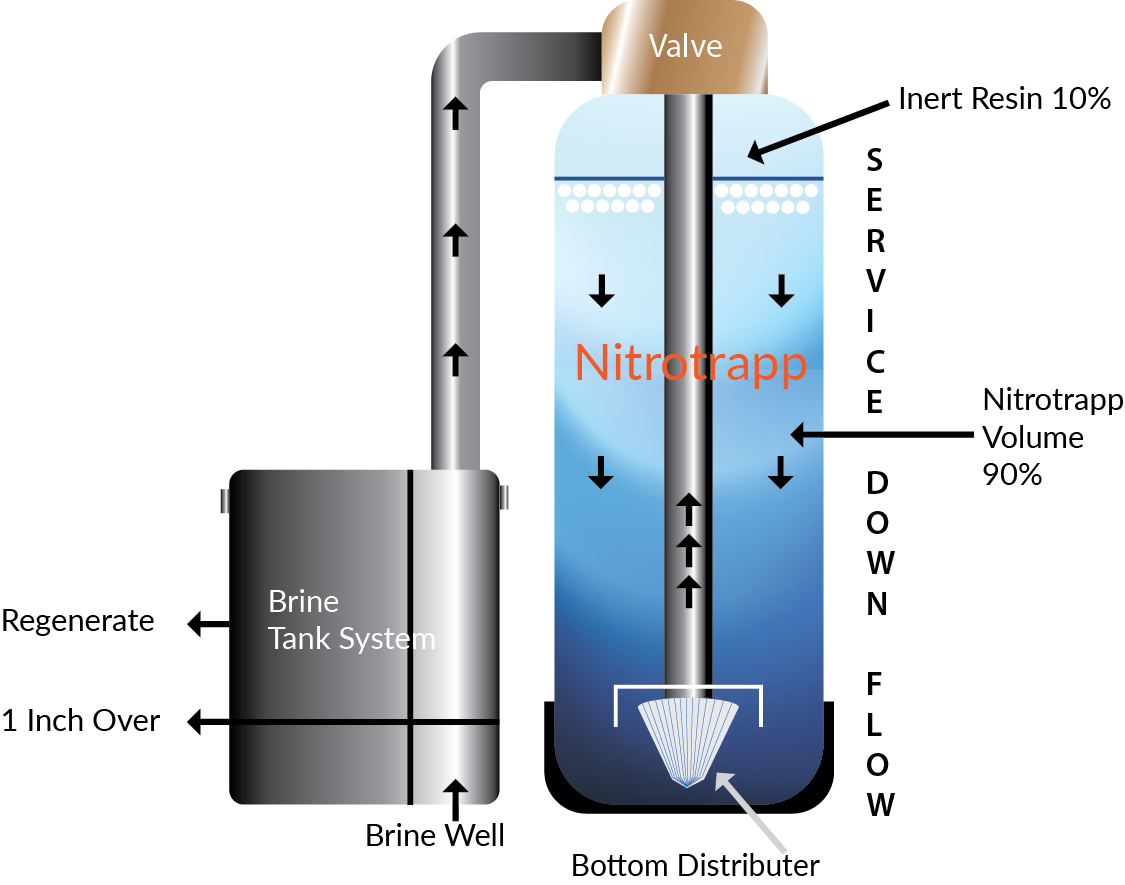
Ion Exchange (Water Softeners on Steroids): This uses a resin that swaps nitrates for harmless chloride ions. It’s great for whole-house systems, but you’ll need to maintain the resin. Think of it as a gentle guardian that works quietly in the background while you guzzle guilt-free.
Distillation: Old-school and charming, this boils water and collects the steam, leaving nitrates behind. It’s a bit slower and uses energy, but it’s foolproof. Perfect for a relaxed weekend project.
Step Three: Don’t Forget the Source
Treating the water is awesome, but why not tackle the root? Check your well for cracks or poor seals. Are you fertilizing your garden too enthusiastically? Ease up—your well will thank you.
Moving your septic tank or adding a buffer zone of plants can help filter runoff naturally. It’s like giving your water a spa day from the outside in. You’ll feel amazing when you solve it at the source.
Why This Makes Life More Fun
Honestly, fixing your nitrates turns you into a water wizard. You’ll impress friends at dinner parties: “Oh, this water? Reverse osmosis, darling. I installed it myself.”
 Study Finds Nitrates in Tap Water for Over 60 Million Americans
Plus, once you’re done, you’ll never worry about bottled water again. You’ll sip from your tap with a smug, happy grin. It’s a small victory that feels huge.
Common Pitfalls to Avoid (Laugh Them Off)
Don’t think boiling water helps—that actually concentrates the nitrates! And please, no bleach or magic crystals. Stick to the tech that works.
Also, don’t panic if your first system needs tweaking. Rome wasn’t de-nitrated in a day. You’re learning, and that’s beautiful.
The Uplifting Payoff
Treating high nitrates isn’t a chore—it’s a gift to your future self. Every glass of water becomes a tiny celebration of your resourcefulness. You’re not just fixing a problem; you’re claiming mastery over your home’s health.
So go ahead, book that test, browse some filters, and smile. You’re about to turn a “ugh” into a “heck yes.” Your well water is waiting for its glow-up—and you’re the hero it needs. Cheers to that!
