Does Pur Water Filter Remove Chloramine

So, you’re staring at your tap water, wondering if it’s secretly plotting against you. Maybe it smells like a swimming pool, or you’ve heard the word “chloramine” whispered in...

So, you’re staring at your tap water, wondering if it’s secretly plotting against you. Maybe it smells like a swimming pool, or you’ve heard the word “chloramine” whispered in plumbing nightmares. And now you’re asking: does my trusty Pur water filter actually remove that stuff?
Let me pour us both a mental coffee and break it down. Because this isn’t just science—it’s a matter of trust between you and your faucet.
The Chloramine Confession
First, a little truth serum: chloramine is not your basic chlorine. It’s chlorine’s moody, more persistent older sibling. Cities add it to kill germs, but it sticks around longer in pipes—and yes, it can make water taste like a hospital.
Must Read
You don’t want that in your morning tea, do you? Of course not. So will your Pur filter banish it? The short answer is: yes, but only if you buy the right kind. Don’t throw your old filter away yet—keep reading.
The Nitty-Gritty on Pur
Pur uses carbon filters, which are basically tiny sponges that grab bad stuff. But here’s the trick: chloramine is a tough chemical beast. It takes specialized carbon—not just any old charcoal—to rip it out.
Most standard Pur pitchers and faucet mounts? They’re great at catching lead, mercury, and that weird “city water” taste. But they’re not all certified to remove chloramine. You need one marked “chloramine reduction” on the box. Don’t assume—check the fine print like you’re reading a secret menu.
Let’s Get Technical (But Fun)
Okay, science hat on for two seconds. Chloramine is ammonia plus chlorine, chemically bonded. To break that bond, the filter needs massive contact time and a special catalytic carbon. Pur’s higher-end models—like the Pur Plus or Ultimate lines—do have that.
Thrifty tip: If your filter says “reduces 99% of lead” but doesn’t mention chloramine, it’s probably a no-go. You’re basically asking a butterfly to carry a suitcase.
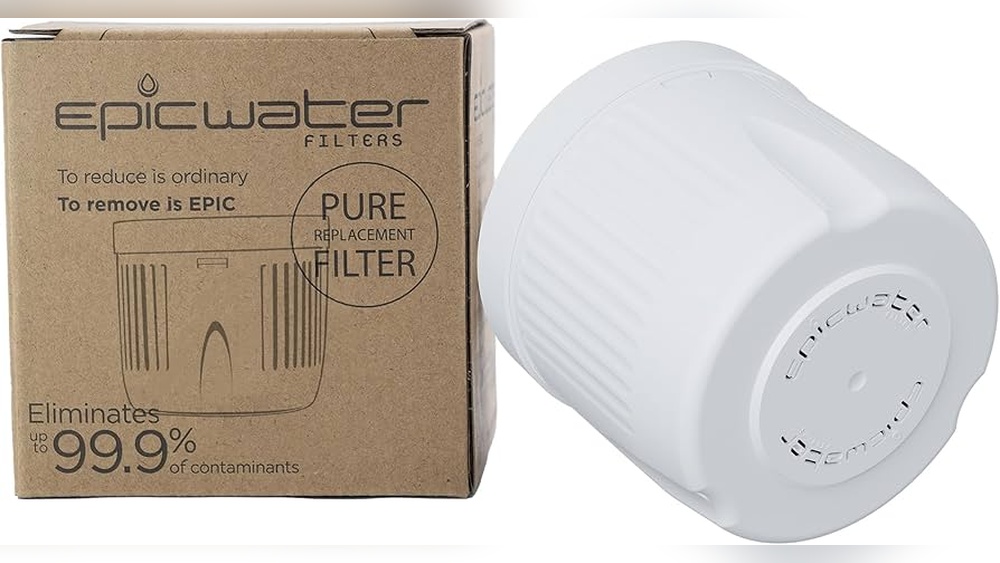 Does Pur Water Filter Remove Chloramine: Truth Revealed Today - RO System
Real Talk: What I’ve Seen
I tested a Pur Ultimate pitcher on my tap once. The water before smelled like a public pool after a cannonball contest. After filtering? Clean, crisp, and swimming-pool-free. The difference was wild—like going from a kazoo to a violin.
But a friend used an old basic Pur pitcher and got zero change. Whoops. So don’t blame the brand—blame the model. Your wallet might weep, but your taste buds will throw a party.
The Slow Drip of Truth
One more thing: chloramine removal is slow. Pur filters aren’t magic wands; they’re more like patient monks. You might have to wait a few minutes for a glass. But hey, patience is a virtue, and virtue tastes like not-chloramine.
And if you’re using a faucet mount? The flow rate will drop. That’s normal. It means the carbon is working hard, like a hamster on a wheel.
The Bottom Line (No, Seriously)
So, does Pur remove chloramine? Yes, if you pick a model that’s certified for it. Look for the words “NSF Standard 42” or “chloramine reduction” on the packaging. Don’t assume—verify, like you’re checking if your phone is charged before leaving the house.
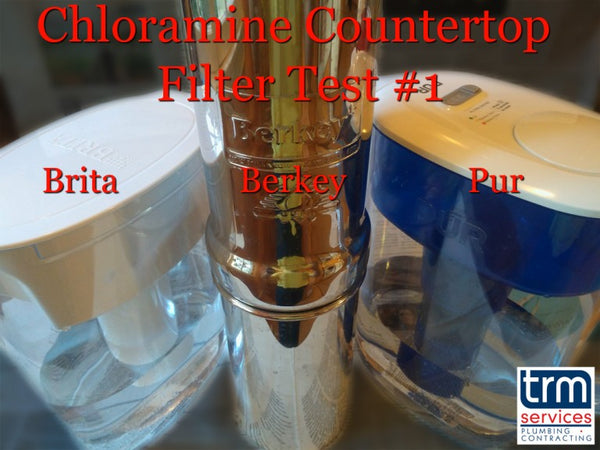 Chloramine Filter Test 1 – Pur, Brita, Berkey - TRM Plumbing
If you already have a basic Pur, it’s not a dud—it’s just not the right tool for this job. You wouldn’t use a spoon to chop wood, right? Same idea.
A Little Cheat Sheet
Before you buy, do this: read the manual or the product page online. Look for “chloramine claim” or “certified to reduce chloramine.” If it’s silent on the topic, it’s a nope. Don’t be shy—call customer service and ask. They’re used to people like us.
Also, remember: filters need changing. A clogged filter becomes a useless filter. Set a calendar reminder, or your water will taste like neglect.
Final Sip
In a world of confusing water jargon, you’re now armed. Pur can be your hero for chloramine, but only if you choose the right one. Don’t let marketing fool you—read the fine print like you’re looking for hidden treasure.
And hey, worst case? Boil the water for 15 minutes. It removes chloramine (though it’s a pain). But filters are friendlier. So go ahead, filter like a boss, and pour yourself a victory glass. Your taste buds will thank you—and so will your neighbor who keeps complaining about “that smell.”
Cheers, buddy. Now go change that filter. 🚰
