Does Bottled Water Expire If Not Opened

So, you’re cleaning out your pantry or the back of your car, and you spot it: a dusty bottle of water from that road trip two summers ago. You pick it up, squint at the label,...
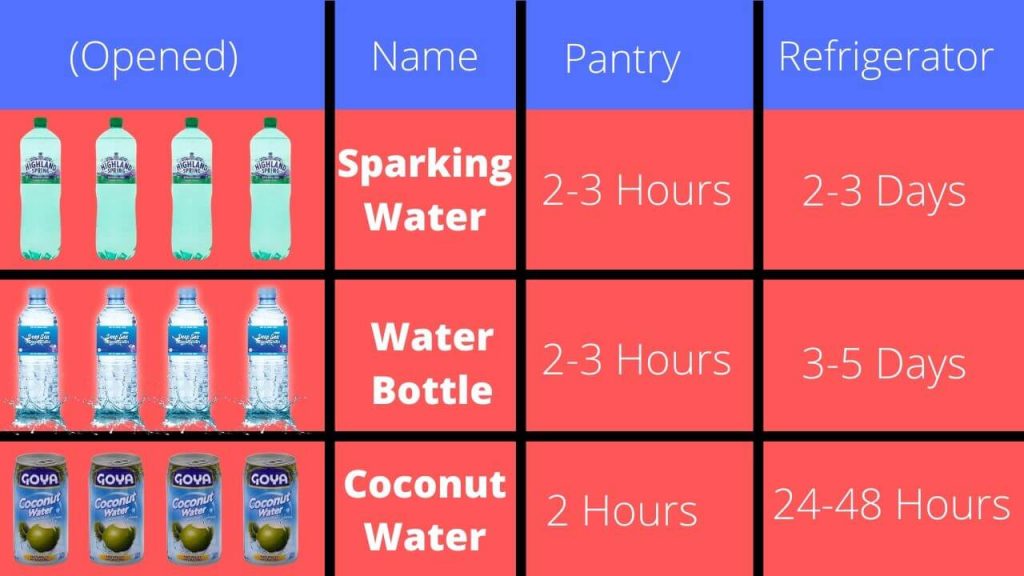
So, you’re cleaning out your pantry or the back of your car, and you spot it: a dusty bottle of water from that road trip two summers ago. You pick it up, squint at the label, and wonder, “Does this stuff actually go bad if I never opened it?” It’s a question that has baffled humans since the dawn of plastic, right up there with “Why do socks disappear in the wash?”
The short, sweet answer is: Yes, technically it does expire, but not in the way you might think. It’s not like milk, which will stage a symphony of sourness in your fridge. Instead, bottled water has a “best by” date for reasons that are more about the bottle than the water itself.
The Water Isn't the Problem (It's the Plastic)
Let’s get one thing straight: H₂O molecules don’t suddenly turn into poison after a couple of years. Water is water. The real troublemaker is the plastic container it’s living in. Over time, that polyethylene terephthalate (PET) bottle can start to break down, especially if it’s been baking in a hot car or sitting in direct sunlight.
Must Read
When the plastic degrades, it can leach tiny chemicals—like antimony or phthalates—into your water. Now, before you panic, the amount is usually very small, well within safety limits for most people. But it’s enough for the government to slap an expiration date on the bottle to keep things tidy.
Think of it like this: the water is still fine, but the bottle is slowly getting tired. It’s like your favorite coffee mug—it doesn’t go bad, but the handle might get a little wobbly after a decade.
What About Taste? (A Very Important Factor)
Even if the chemistry is mostly fine, the taste might start to change. That’s because, over months and years, the water absorbs molecules from the plastic, which can give it a faint, plasticky flavor. It’s not poison, but it’s also not a refreshing spring day.
Additionally, if the bottle wasn’t stored perfectly, microorganisms could theoretically grow. But wait—how? If it’s unopened, it’s sealed, right?
Well, yes, but tiny amounts of air can seep through the plastic over time, and if any bacteria hitched a ride during bottling, they might throw a tiny party. Don’t worry—this is extremely rare in commercial water. Your tap water is actually way more likely to have microbes.
So, drinking a two-year-old unopened bottle is usually safe, but it might taste like you’re sipping water that used to live in a Tupperware drawer. Not exactly gourmet.
 Why Does Bottled Water Turn Green at Justin Wells blog
The Real World Test: What Happens to Old Bottled Water?
Picture this: you’re backpacking in the desert, and you find a cache of water from last decade. Should you drink it? In a survival situation, yes, absolutely. Your body will process the tiny chemicals just fine, and it’s better than dehydration. But for everyday use? Eh, maybe buy a fresh bottle.
I once found a bottle of generic spring water in my mom’s basement from 2017. It was unopened, clear, and looked fine. I took a sip. Did I die? No. Did I taste a hint of “basement mixed with plastic swimming pool”? You bet.
The lesson: Expiration dates on water are more about quality than safety. They’re the water industry’s way of saying, “Hey, we promise it’ll taste awesome until this date. After that, no guarantees your taste buds won’t be bored.”
How to Store Your Bottled Water Like a Pro
If you want to keep that emergency stash for years (I’m looking at you, preppers!), here’s the secret: keep it cool and dark. Heat is the enemy. A 90-degree car trunk is basically a plastic breakdown factory. A cool basement or pantry is your water’s best friend.
Also, avoid storing it near gasoline or paint thinner. Plastic is porous enough that it can absorb fumes. Nothing says “yum” like water that smells like the garage floor. Stick to clean, unflavored, boring spaces.
 Does Water Expire? Shelf Life, Safety, and Smart Storage Explained
As a rule of thumb, the International Bottled Water Association (yes, that’s a real thing) recommends drinking it within two years for peak taste. But if you’re honest, you probably finish a bottle in two minutes anyway.
The Big Conclusion: Should You Worry?
Let’s cut to the chase: if you find an unopened bottle of water in your couch from three years ago, don’t stress. Give it a sniff. If it smells fine and tastes like water (and not a science experiment), you’re golden. Your body is a magnificent machine that can handle a few stray plastic molecules from a lazy bottle.
In fact, bottled water expiration dates are largely a marketing and regulatory thing. In New Jersey, they legally require expiration dates on all bottled water. Why? Because someone in government decided it was better to be safe than sorry. So the date is more of a bureaucratic stamp than a biological countdown.
Now, here’s the uplifting part: You are not a fragile, breakable thing. You are a resilient, water-powered human who has survived way scarier stuff than a slightly stale sip. The same goes for that bottle in the back of your car—it’s just water, doing its best to stay fresh under tough conditions. Give it a second chance, or better yet, recycle the bottle and pour in some fresh tap water. You’ll be fine. The planet will be fine. And you’ll never have to wonder again: “Does this water still work?”
So go ahead. Open that dusty bottle. Take a sip. Smile at how weirdly anticlimactic it is. Then go drink a fresh glass of water—because you deserve to feel hydrated and happy, not just survivable. Cheers to that!
