How Long Does A Water Softner Last

So, you’ve shelled out good money for a water softener, that magical box of salt and science that turns your “hard” water into something that actually lathers. You’re basking...
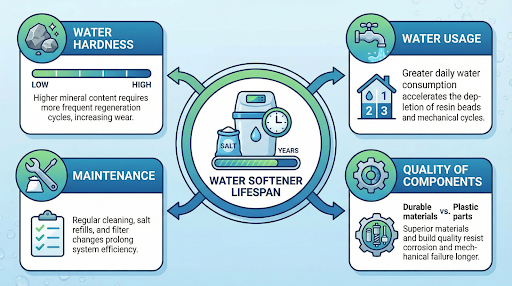
So, you’ve shelled out good money for a water softener, that magical box of salt and science that turns your “hard” water into something that actually lathers. You’re basking in silky showers and spotless dishes, but then the nagging question creeps in: When is this thing going to die on me? Grab your coffee, pull up a chair, and let me give you the dirt on how long this relationship will last—without the sales pitch.
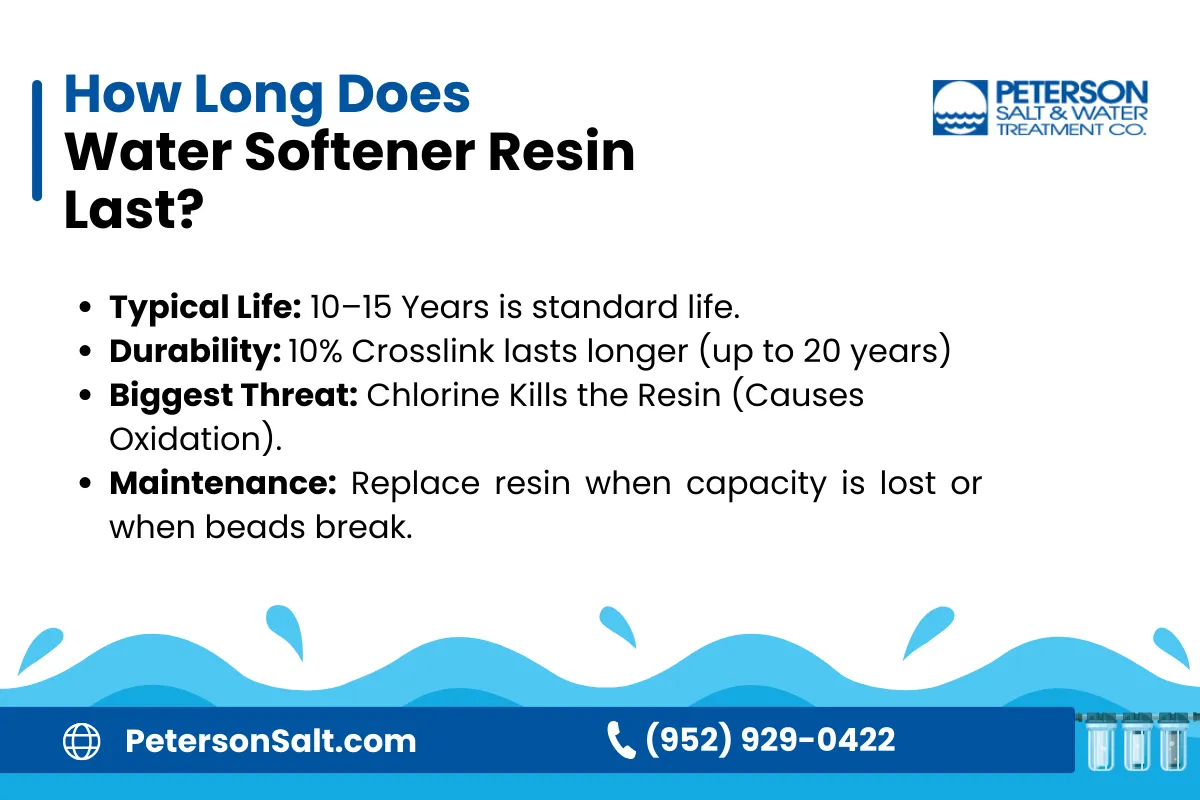
First, the shocking headline: A well-maintained water softener can last 10 to 15 years on average, but some stubborn old-timers have been known to chug along for 20 years just to spite the manufacturer. That’s longer than most celebrity marriages and about the lifespan of a really good toaster. But here’s the kicker: how you treat it determines whether it becomes a faithful companion or a clunky paperweight by year seven.
The Secret Formula (It’s Not Magic, It’s Math)
Think of your water softener as a grumpy, salt-powered robot that works a 24/7 shift. Its two main parts are the brine tank (where the salt lives) and the resin tank (the guts that actually do the work). The resin beads inside are the real heroes—they grab onto calcium and magnesium ions like a toddler grabbing candy, then flush them away. Those beads can handle about 100,000 to 200,000 gallons of water before they throw up their little plastic hands and give up.
Must Read
Here’s the math that will blow your mind: If your family of four uses about 300 gallons per day, you’re looking at roughly 10 to 15 years of peak performance. But if you live alone and barely use water—congratulations, you might outlive your softener. And if you have a water-guzzling teenager who takes 45-minute showers? Yeah, buckle up. Your softener will retire early and start sending you passive-aggressive glitches.
The Sneaky Killers (Yes, Your Water Quality is a Villain)
Not all hard water is created equal. Iron is the softener’s nemesis—it gums up the resin beads like bacon grease on a nonstick pan. If your water has more than 2 parts per million of iron, your softener’s lifespan can drop by a third. That’s like buying a car and driving it through a car wash made of acid. And sediment? That’s just tiny rocks slowly sandblasting your valves into dust.
Here’s a fun fact you can drop at parties: A water softener exposed to chloramine (a common disinfectant) will die 30% faster than one breathing pure, unadulterated water. Chloramine is basically bleach in disguise, and it eats resin for breakfast. If your utility company uses it, you might need a carbon filter before the softener—or you can just start training for the emotional roller coaster of early replacement.
 How Long Does Water Softener Resin Last?
The Maintenance Dance (You Can’t Just Set It and Forget It)
The #1 reason water softeners die young is neglect. People dump in salt once a year and act surprised when it starts jamming like a cheap printer. You should check the salt level every month—no, not “when you remember,” every month. Set a recurring reminder on your phone, and if you ignore it, your softener will silently plot revenge by leaving miniscule scale on your coffee maker.
Also, clean the brine tank every 2-3 years. I know, I know—it’s a sludgy hassle. But ignore it, and you’ll end up with a salt bridge (a solid crust of salt that creates a salt-air gap). That’s like putting a brick in your gas tank and wondering why the car won’t start. Pro tip: Use a broom handle to break up salt bridges every few months. It’s cheap therapy and saves you $800.
The Surprising End-of-Life Signs (It Won’t Just Drop Dead)
Your softener won’t explode into a puff of salt when it’s dying. Instead, it whispers at you. If you notice your hair feels sticky again, your dishes have spots, or you start using twice as much soap, it’s not your imagination—it’s resin fouling. That’s the softener equivalent of memory loss in a senior citizen. Another dead giveaway: if your softener is running through salt like a frat party through cheap beer, something is wrong.
But here’s the twist: Many softeners fail not because of the resin, but because of the little plastic gears or circuit boards. The mechanical timers on cheap models can snap after 7 years, while digital ones might get fried by a power surge. Spend an extra $150 upfront for a quality control valve, and you’ll be laughing (and washing) for 15 years. Cheap out, and you’ll be replacing the whole unit while your neighbor sips tea from a glass with no spots.
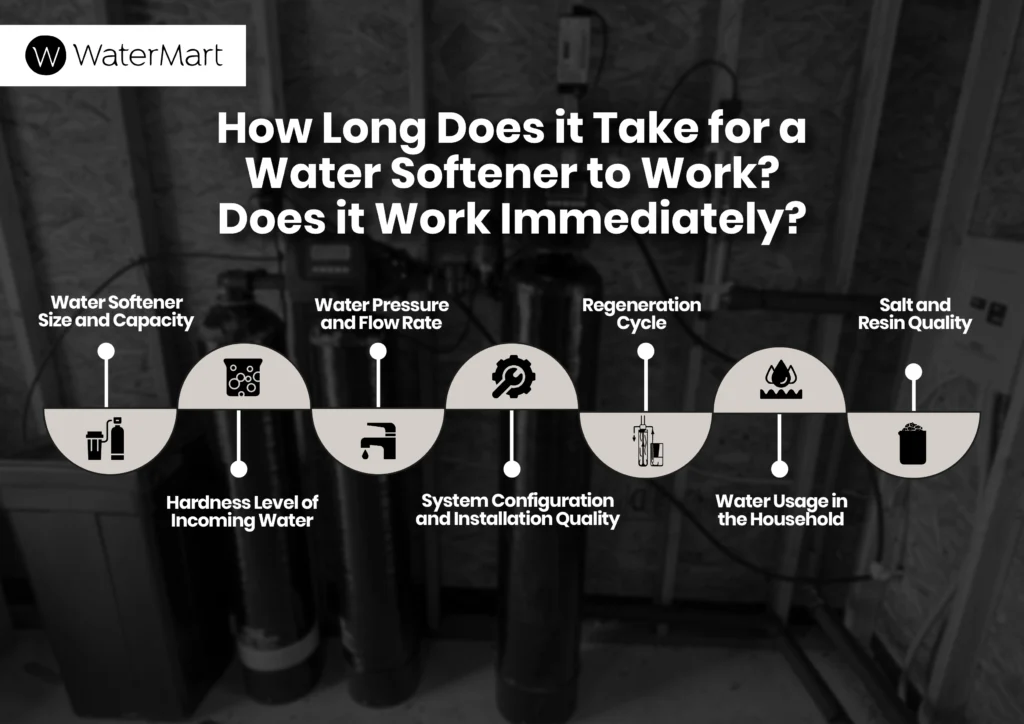 How long does it take for a water softener to work?: WaterMart
The Grand Verdict (Time to Do the Math)
So, how long does your water softener actually last? If you’re a diligent salt-checker, an annual resin-cleaning champion, and you don’t have iron in your water, plan for 15 years. If you’re a “set it and forget it” type who also has rusty pipes and a water-softener-hating ghost, expect 8 to 10 years. And if you’re already on year 11 and your softener still works, congrats—you’ve officially won the appliance lottery. Buy a lottery ticket, because you’re living in a statistical miracle.
Here’s the final, uncomfortable truth: eventually, every water softener turns back into a very expensive salt dispenser. When the resin beads become so clogged that they can’t regenerate, you have two choices: replace just the resin (costs about $200–$300, plus labor) or buy a whole new unit ($600–$2,000). The resin swap is like a heart transplant—it can give your softener another 5 to 10 years, but only if the rest of the machine isn’t rusted into a giant paperweight.
And one last surprising fact to tattoo on your brain: Water softeners actually work harder in winter. Cold water is denser and carries more minerals, so your resin beads work overtime. That means your softener might age faster if you live in Minnesota than in Florida. Global warming might be terrible, but at least it’s giving your water softener an easier life. You’re welcome, planet.
Now go check your salt level. Your softener is watching you.
