Does Well Water Have Microplastics

So, you’ve got a well. You’re probably patting yourself on the back for avoiding that weird, chlorine-tasting city water. You think you’re drinking pure, ancient rainwater fil...

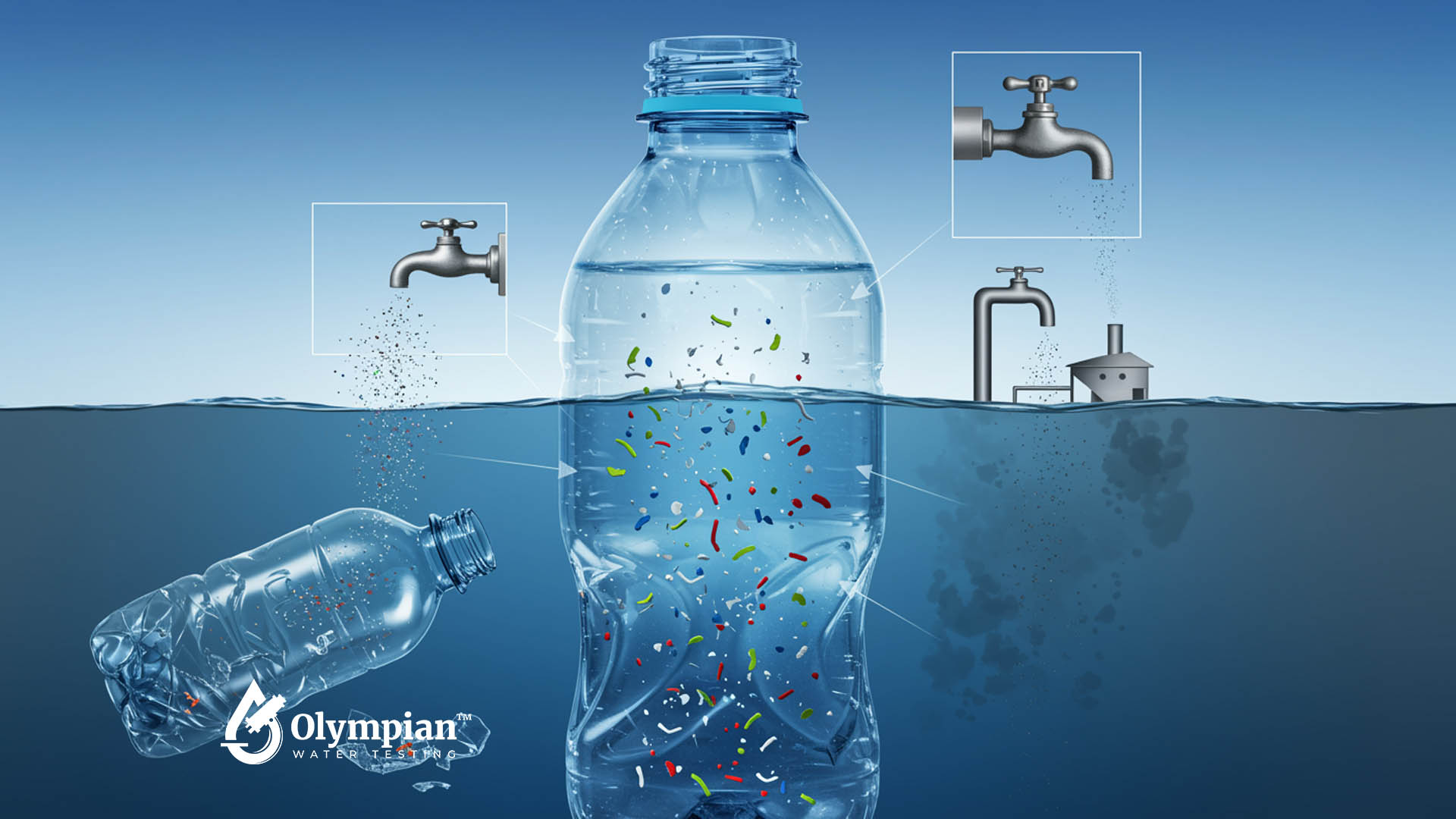
So, you’ve got a well. You’re probably patting yourself on the back for avoiding that weird, chlorine-tasting city water. You think you’re drinking pure, ancient rainwater filtered through mother nature’s own Brita filter. Ah, the good life. But hold your horses, homesteader. There’s a tiny, invisible party crasher lurking in your glass: microplastics. Yes, even your pristine well water might be hosting a microscopic plastic rave.
Let’s get one thing straight: microplastics are everywhere. They’re in the air, the ocean, your salt shaker, and probably in your neighbor’s prized beard. These are tiny bits of plastic, smaller than a sesame seed, that break off from larger junk like water bottles, car tires, and that yoga mat you left in the sun. They’re basically the glitter of the environmental world—they get everywhere and they never, ever leave.
The Deep, Dark Secret of Groundwater
You’d think that hundreds of feet of rock and dirt would act like a bouncer, kicking those plastic bits out. And you’d be partially right. Soil and rock can filter out a lot of big stuff, like leaves and dead bugs (gross, but true). But microplastics? They’re sneaky little ninjas. They can slip through cracks in the bedrock or hitch a ride on rainwater that seeps down faster than you can say “organic kale smoothie.”
Must Read
Recent studies have dropped a truth bomb: well water is not microplastic-free. One study found microplastics in over 70% of groundwater samples tested. That’s like finding out your “all-natural” spring water has a secret ingredient: yesterday’s grocery bag. It’s not the end of the world, but it’s definitely a buzzkill for your rustic fantasy.
Where do they come from? Mostly from surface pollution. Rain washes plastic dust from the air (yes, plastic dust) and bits from landfills into the soil. Then, farming practices like using plastic mulch or spreading sewage sludge as fertilizer add another layer of plastic sprinkles to the underground buffet. Your well is just the unlucky straw at the bottom of a very polluted milkshake.
The Reality Check (with a Side of Panic)
Before you start stockpiling glass jugs and moving to a cave, let’s calm down. The amount of microplastics in well water is usually lower than in bottled water or tap water from a city. That said, bottled water can have up to 240,000 plastic particles per liter—which is basically a plastic snow globe you’re supposed to drink. Well water tends to dodge that bullet, but it’s not a guaranteed safe zone.
 Choosing Microplastic-Free Bottled Water Options - Olympian Water
Here’s the kicker: scientists aren’t sure what these tiny invaders do to your body. Some research suggests they can carry nasty chemicals like BPA or heavy metals, which are like hitchhiking criminals. Do they cause cancer? Make your hair fall out? Turn your blood into polyester? The honest answer is: we don’t know yet, but it’s probably not great. It’s like eating a bag of chips labeled “mystery flavor”—exciting, but you might regret it.
But wait, it gets weirder. Microplastics can also absorb bacteria and viruses. So your well water might be a free Uber for pathogens. And if you have an older well with cracked casing or a shallow depth, you’re basically rolling out the red carpet for these plastic partygoers. Congratulations—your well is a nightclub for microscopic debris.
What Can You Do? (Beyond Crying into a Filter)
First, don’t panic-buy a $5,000 filter system that promises to remove “100% of everything.” That’s a scam, and your wallet will cry. Instead, look for a certified water filter that targets particles down to 1 micron or smaller. Reverse osmosis systems are the heavy hitters here—they’re like the Navy SEALs of water filtration. But they’re expensive and waste water, so it’s a trade-off.
 The Hands-Down Best Water Filters for Microplastics of 2025
You can also test your well water. Yes, it costs money, but so does a new wardrobe after you discover you’ve been drinking plastic for a decade. Call a local lab, not a guy with a van that says “Free Water Analysis” (that’s a sales pitch, not science). A proper test will tell you if you’ve got a plastic problem or if you’re just paranoid.
And here’s a surprising fact: boiling water does NOT remove microplastics. In fact, it might concentrate them as the water evaporates. So don’t think a hot kettle saves you. That’s like trying to clean a carpet by setting it on fire—technically a reaction, but not the right one.
The Final Gulp
So, does well water have microplastics? Yes, probably. But so does everything else. The air you’re breathing right now? Microplastics. The dust on your bookshelf? Microplastics. The fish you ate last Tuesday? Definitely microplastics—and they taste like regret. Your well isn’t a magic shield; it’s just a slightly less contaminated straw in a world that’s gone plastic-crazy.
Here’s the good news: you can take simple steps. Test your water, use a good filter, and stop grinding your teeth about it. Worrying is like a rocking chair—it gives you something to do but gets you nowhere. Meanwhile, I’ll be over here drinking my filtered well water, pretending it’s from a mountain spring in 1920. Cheers to blissful ignorance. At least until the next study ruins our day.
