Where Does Bottled Water Come From

So, you grab a bottle of water from the gas station. You twist off the cap, take a big gulp, and… wait. Where did this water actually come from? Not the store, silly. I mean b...
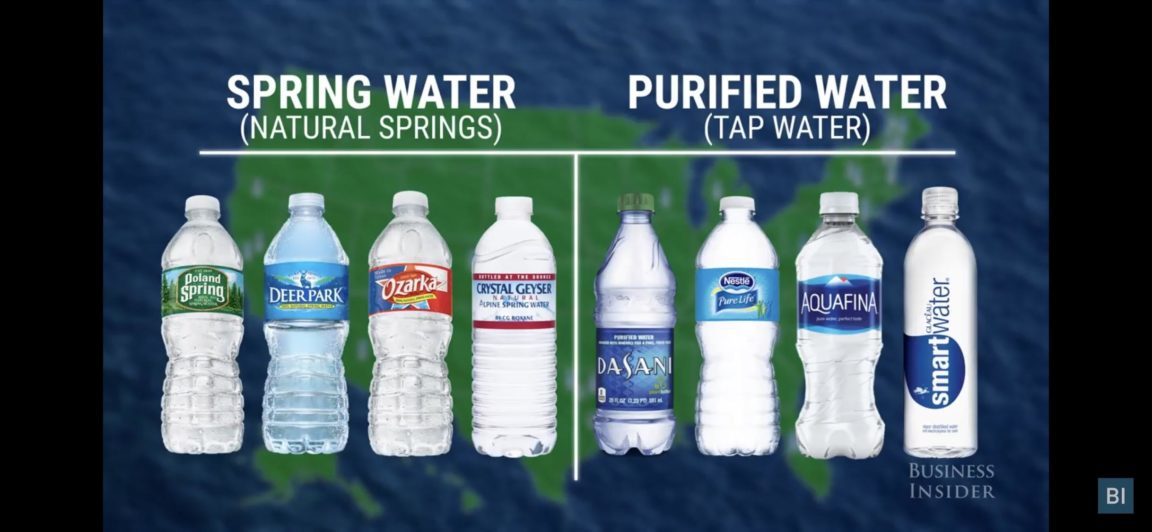
So, you grab a bottle of water from the gas station. You twist off the cap, take a big gulp, and… wait. Where did this water actually come from? Not the store, silly. I mean before it was a bottle.
The answer is way weirder than you think. It’s like a global treasure hunt, but for something that falls from the sky.
Let’s start with the obvious: Spring water
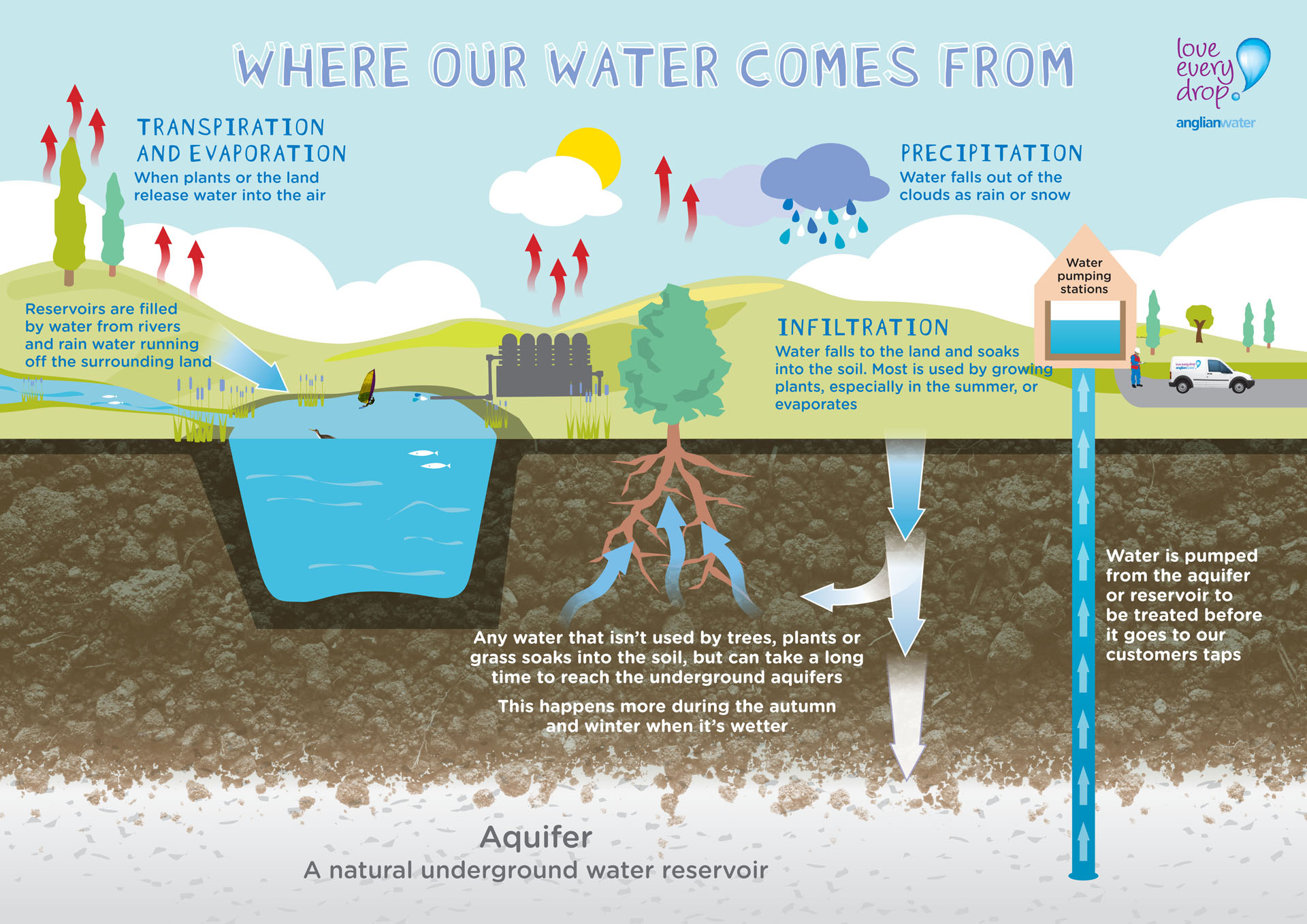
You see those fancy labels with mountains and waterfalls? That’s spring water. It comes from an underground aquifer, which is basically a natural underground sponge made of rock and sand.
Must Read
Companies drill a pipe right into that sponge. The water is pushed up by natural pressure. Then they bottle it at the source. Sounds pure, right? Mostly. But it’s not like a cartoon where a nymph hands them a crystal goblet.
Fun fact: The “spring” could be a random hole in a farmer’s field. No waterfalls. No unicorns. Just dirt and plumbing.
Then there’s “purified” water—the plot thickens
Look at the label. If it says “purified drinking water,” you’re drinking something that started its life in a municipal tap. Yes, tap water. Straight from the same pipe that fills your kitchen sink.
Companies take city water and put it through a rigorous spa treatment. Reverse osmosis, distillation, maybe even a little ozone. They zap out the chlorine taste and any dirt. Then they sell it back to you for two bucks.
So that bottle of “pure” water? You could’ve gotten it from your own faucet. But hey, it comes in a snazzy plastic bottle with a label. That’s worth the markup, right? Right?
And what about fancy glacier water?
Oh, you’ve seen those brands. Arctic fjords. “Harvested from ancient ice.” Sounds epic, like a Viking adventure. But here’s the kicker: most of it isn’t chiseled off a glacier by rugged mountaineers.
 Where Our Water Comes From , Where Does Our Drinking Water Come From
In reality, it’s often just filtered spring or well water from a downstream location. The “glacier” name is for vibes. Marketing magic. They might as well call it “Rain from a Unicorn’s Tear.”
A few companies do collect actual iceberg melt. But that’s rare and super expensive. You’re probably not drinking that while mowing your lawn.
The hidden star: Groundwater (the boring hero)
Most bottled water—like the generic store brand—comes from groundwater. This is the stuff that’s been hanging out deep underground for decades. It’s filtered naturally by layers of sand and rock.
Companies drill a well, pump it up, and treat it with UV light or ozone to kill germs. Then it’s bottled. No frills. No mountains. Just good old H2O from a hole in the ground.
It’s not sexy, but it’s reliable. Kind of like that friend who always shows up with pizza. You don’t brag about them, but you’re glad they exist.
But here’s the thing about the plastic
Let’s pause and talk about the bottle itself. The water inside might be from a pristine spring. But the plastic? That came from crude oil. Yep, dinosaur juice.
 Where Does Water For Bottled Water Come From at Sharon Boyle blog
Oil is heated, processed, and spun into those little clear containers. It takes about three times as much water to make the plastic as there is inside the bottle. And then you toss it? That bottle lasts 450 years in a landfill. Longer than your great-great-grandkids will be alive.
So, should you feel guilty?
Not if you’re being smart about it. The real problem isn’t the water source. It’s the waste. Tap water is actually tested more than bottled water. Hard to believe, right?
The FDA regulates bottled water. The EPA regulates tap water. And the EPA’s rules are tougher. So if you want pure water, just buy a reusable bottle and a filter. You’ll save cash. You’ll save the planet. And you won’t have to wonder where your water vacationed before you drank it.
One last weird story: The “almost” water
Remember those viral videos of water bottled from a flooded basement? Yeah, that’s not a thing—at least not legally. But recycled wastewater is a real thing in some places.
Singapore has a program called “NEWater.” They take sewage, clean it to ultra-pure levels, and bottle it. Tastes fine. But the marketing? They don’t show toilets on the label. Smart.
So next time you sip, think about it: your water could have been rain, glacier melt, tap, or even yesterday’s coffee. The journey is wild, but the end is just… wet. And that’s the secret. Water is water. It’s all recycled. Always has been.
Now, go refill your cup. Preferably from the sink. Your wallet and the planet will thank you. Cheers.
