Does Reverse Osmosis Remove E Coli

Picture this: You’re at a backyard barbecue, and your cousin Dave—the one who “researched everything on the internet”—hands you a glass of water from his shiny new countertop...

Picture this: You’re at a backyard barbecue, and your cousin Dave—the one who “researched everything on the internet”—hands you a glass of water from his shiny new countertop filter. “It’s basically a hospital-grade RO system,” he says, puffing out his chest. You take a sip, then he leans in and whispers, “But I’m not sure if it kills E. coli. You know, the poop bacteria.” I choked on my burger, not from the E. coli, but from the sheer irony. So, does reverse osmosis actually remove E. coli? Let’s settle this, because your cousin Dave needs some real answers (and maybe a new hobby).
The Short Answer: Yes, But It’s Weirder Than You Think
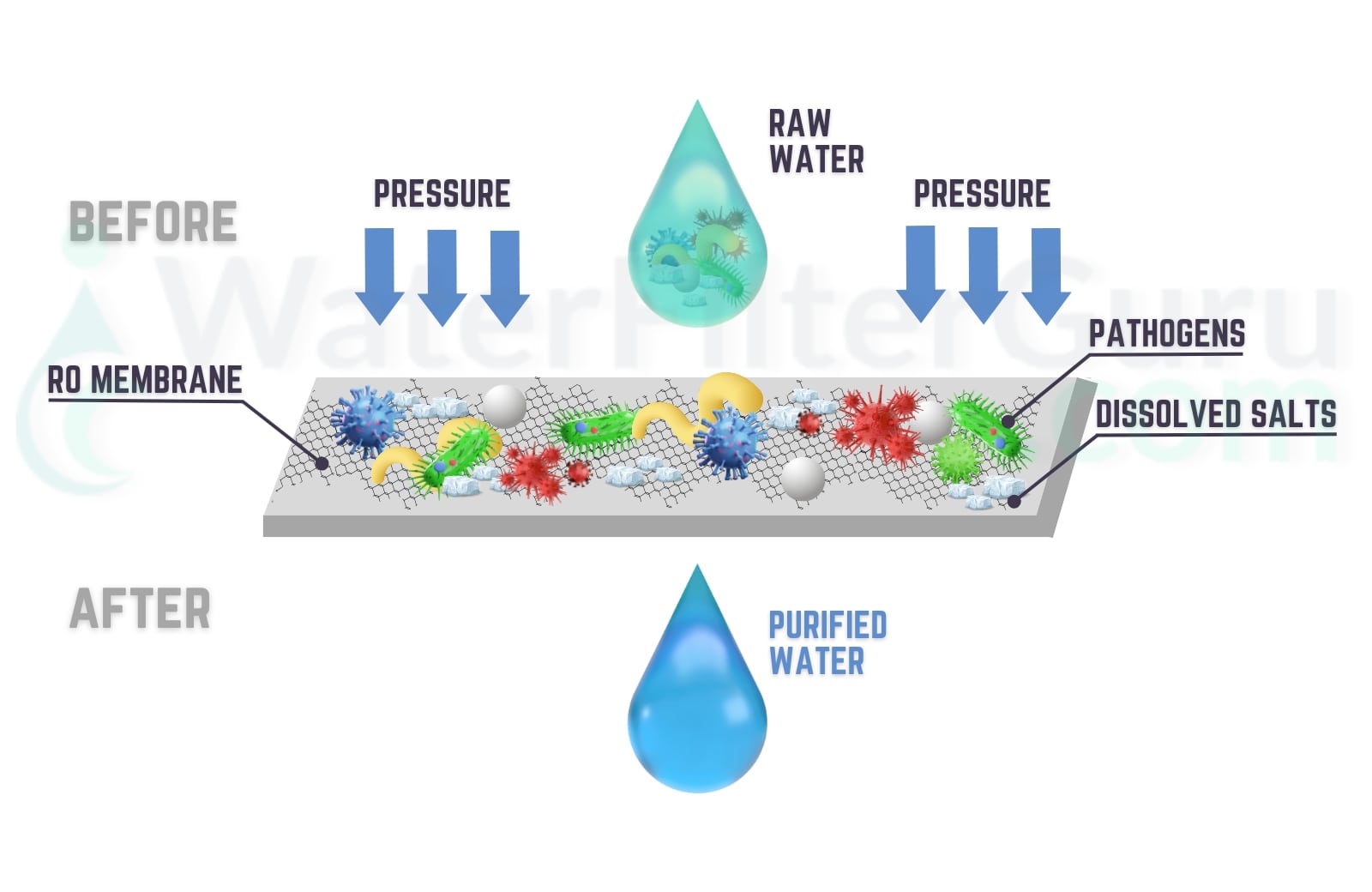
Yes, reverse osmosis (RO) systems absolutely remove E. coli—but not like a filter in your brain imagines. Think of RO as a ridiculously picky bouncer at a nightclub. It lets water molecules slip through, but anything bigger (like bacteria, viruses, or a drunk guy named Greg) gets kicked to the curb. E. coli is a bacterium, which is roughly 0.5 microns wide. RO membranes have pores around 0.0001 microns. That’s like comparing a basketball player to a gnat. So yes, the water that comes out is practically sterile—if the system is working properly.
But Wait—The Devil’s in the Details (And Your Cousin’s Plumbing)
Here’s the kicker: RO systems don’t “kill” E. coli, they physically block it. That means if the membrane has a tiny tear or the seals are loose, bacteria can sneak through. And let’s be real—most home RO units aren’t installed by NASA engineers. Your cousin Dave probably watched a YouTube tutorial at 2 AM. Also, RO systems output water slowly, which can lead to stagnant water in the storage tank. If that tank isn’t cleaned regularly, bacteria can grow after the filter. Gross, right? It’s like locking your door but leaving the window open.
Must Read
There’s another catch: RO membranes are finicky with pressure. If your household water pressure drops (hello, summer gardening), the membrane may not seal tight enough, and some E. coli could slip past the gap. It’s rare, but it happens—especially in older systems. So while RO is a powerhouse, it’s not a magic wand.
What About RO Systems That Claim to “Remove 99.9%”?
Those numbers sound incredible, don’t they? They’re true—in a vacuum. Laboratory tests use clean water with perfect pressure, new membranes, and zero post-filter contamination. In your kitchen, you have to deal with sediment, chlorine, and the fact that your toddler just poured Kool-Aid into the sink. Real-life performance can drop to 80-95% removal if the unit isn’t maintained. The U.S. Environmental Protection Agency (EPA) actually recommends RO for “microbiological reduction,” but they also stress that you need a maintenance schedule. Translation: Dave needs to change his filters more often than his opinion on electric cars.
 Do Water Filters Remove Bacteria? Find Out Here!
So Should You Rely on RO Alone for E. Coli?
Not if you’re drinking from a sketchy well or a questionable tap. If you’re in a place with regular boil-water advisories (like after a flood), RO is great, but pairing it with a UV filter is like wearing both a belt and suspenders. The UV light zaps any bacteria that might outsmart the membrane. Think of it as the extra layer of security because—let’s face it—E. coli is a persistent little jerk. It can survive in pipes, on tank walls, and even in the carbon pre-filter if it gets wet and warm.
And here’s the ironic part: Most E. coli outbreaks come from contaminated food, not water. So while you’re obsessing over your RO system, that salad you didn’t wash might be the real enemy. But I digress. The point is: if you have a city water supply, RO is overkill for E. coli (since your water already has chlorine). If you’re on a private well, though, it’s a solid bet—just keep it maintained.
 Can Reverse Osmosis Remove Bacteria at Savannah Holroyd blog
The Bottom Line (No Filter Needed)
Does reverse osmosis remove E. coli? Yes, when it works as intended. But that’s like asking, “Does my car protect me in a crash?” Yes—if you don’t run a red light and you get the oil changed. RO is a tool, not a miracle. Treat it with respect (and a cleaning schedule), and you’ll be fine. If you’re really paranoid, add a UV stage or stick to boiling water. Your cousin Dave now has a better party fact to share—but please, have him wash his hands before the next barbecue.
So next time someone asks, “Does RO remove E. coli?” you can smile, take a sip of your perfectly filtered water, and say, “Only if the bouncer’s sober.” Then maybe hand them a glass. Just don’t forget to sanitize the tank… or Dave might really put that hospital-grade claim to the test.
