How Much Water Do Ro Systems Waste

Let’s be honest—if you’ve ever stood in your kitchen, watching a reverse osmosis system drip away, you’ve probably felt a little pang of guilt. That slow, steady drip-drip int...

Let’s be honest—if you’ve ever stood in your kitchen, watching a reverse osmosis system drip away, you’ve probably felt a little pang of guilt. That slow, steady drip-drip into the drain? It’s like your faucet is secretly auditioning for a role in a sad indie film about wasted resources. But how much water do RO systems actually waste, and is it really that bad? Grab a glass of filtered water (or tap, no judgment), and let’s spill the tea—or, well, the brine.
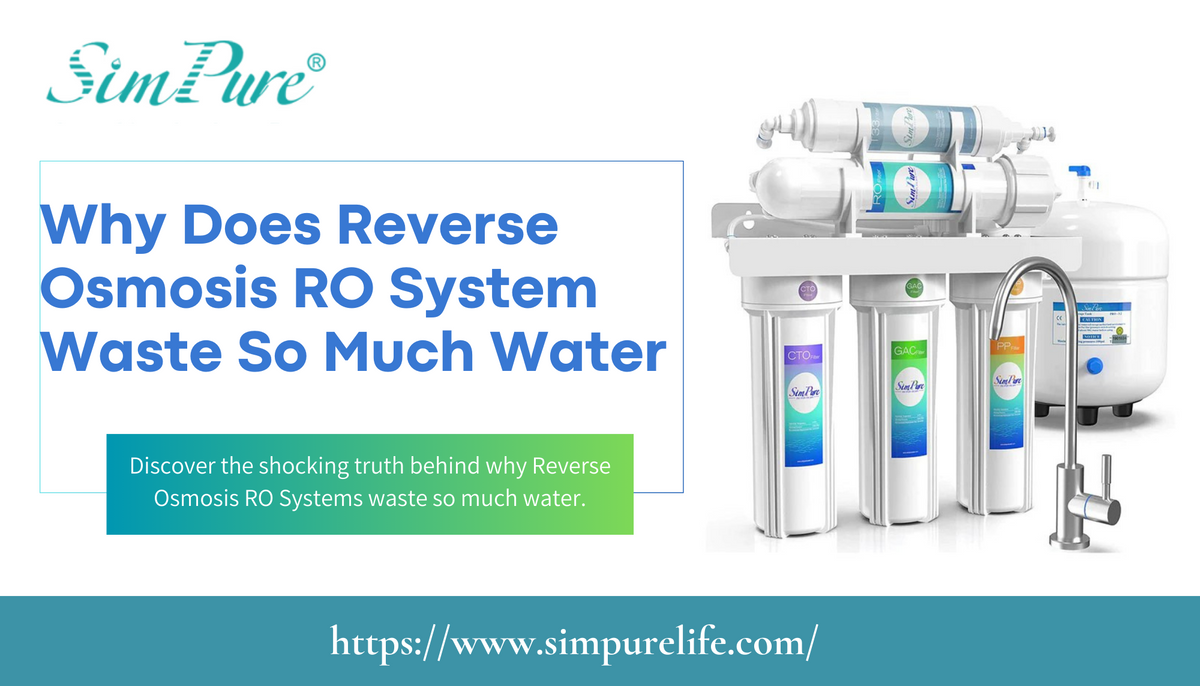
First, a quick science-y moment that won’t hurt your brain. Reverse osmosis works by forcing water through a super-fine membrane, leaving behind minerals, chemicals, and even that weird taste from old pipes. The catch? For every gallon of clean water you get, the system shoves about 3 to 4 gallons down the drain. Yeah, you read that right: a 1:3 or 1:4 ratio of good to bad. It’s like ordering a pizza and having to throw away three slices because the delivery guy messed up—annoying, but you still get that one perfect slice.
Now, let’s put that in everyday terms. Imagine you’re at a coffee shop, and you buy a $5 latte. The barista makes it, then hands you the cup and says, “Oh, by the way, I poured $15 worth of milk down the sink just to make this perfect foam.” You’d blink. You might even laugh awkwardly. That’s kinda what an RO system does to your water bill—but with H2O, not latte art.
Must Read
The Math of the Drip (It’s Not as Scary as It Sounds)
Let’s crunch some numbers the way you do when you’re avoiding actual chores. A typical RO system wastes about 3 gallons for every 1 gallon of filtered water. If you and your partner drink a gallon of filtered water per day (which is healthy, by the way, good for you), that’s 4 gallons total used from your tap daily. Over a year? That’s 1,460 gallons of water wasted—or roughly the amount it takes to fill a small above-ground pool. Not a huge Olympic-sized monster, but enough to make your inner eco-warrior twitch.
Here’s the funny part: you probably waste more water by waiting for the shower to get hot. You know the drill—turn on the faucet, let it run while you brush your teeth, and that’s 2 gallons gone in 60 seconds. An RO system’s waste is persistent, sure, but it’s not a water-hogging villain. It’s more like that friend who always forgets to turn off the garden hose—annoying, but not evil.
 Ro Water Waste: How Much Water Does Reverse Osmosis Waste? – JKAUL
Why Does It Waste So Much? (And Can You Outsmart It?)
The waste happens because the membrane needs a constant flow to keep itself clean. Think of it like your dishwasher: if you don’t rinse the plates, the gunk builds up and nothing gets clean. The RO system uses that wasted water to flush away the trapped minerals, like calcium and lead. Without that flush, your filtered water would taste like a mouthful of gravel—not exactly refreshing.
But here’s the good news: modern RO systems are getting smarter. Some newer models boast a 1:1 ratio—one gallon of waste for one gallon of clean water. That’s like going from a leaky old pickup truck to a hybrid sedan. You can also re-purpose the waste water. Yes, really! That brine isn’t toxic; it’s just slightly saltier. Use it to water your plants (check their salt tolerance first), flush your toilet, or mop your floors. Your spider plant won’t complain, and your water bill might even send you a thank-you note.
I once tried this at home. I collected the waste water in a bucket and used it to rinse my muddy gardening boots. Felt like a genius until I tripped over the bucket and soaked my socks. But hey—it’s all part of the adventure of saving the planet one drip at a time.
 Does Reverse Osmosis Waste Water? - Guide to RO Water Waste
So, Should You Ditch Your RO System?
No, calm down. Keep it. If you live in an area with hard water, lead pipes, or weird-tasting tap, RO is a lifesaver. The waste is a tool, not a tragedy. Think of it like this: you wouldn’t stop baking cookies just because you have to wash the mixing bowl. The waste is the “bowl rinse” of the water world—unavoidable, but manageable.
For context, a leaky faucet that drips once per second wastes over 3,000 gallons per year—more than double what your RO system dumps. And that daily 10-minute shower? That’s about 20 gallons, no RO required. So next time you see that waste line trickling away, smile. You’re not a water waster—you’re just making a really good cup of coffee (or tea, or ice cubes that don’t taste like pennies). Plus, you can always use the waste to play a prank on your neighbor’s thirsty lawn.
At the end of the day, a little waste is the price of a sip of purity. And if you’re still worried about the environment, just turn off the tap while you soap up your hands. That alone will save more water than your RO system ever wastes. Now go hydrate—guilt-free.
