What Is Reverse Osmosis Technology

Okay, let’s talk about water. You know that slightly metallic taste from the tap, or when your fancy bottled water just tastes… flat? That’s where reverse osmosis—or RO for us...
Okay, let’s talk about water. You know that slightly metallic taste from the tap, or when your fancy bottled water just tastes… flat? That’s where reverse osmosis—or RO for us cool insiders—steps in to save the day.
Imagine your kitchen sink has a tiny, invisible bouncer named Osmosis. Normally, Osmosis lets the bad guys (like salt, lead, and weird minerals) flow right through to your glass. Reverse Osmosis is like firing that bouncer and hiring a super-strict celebrity bodyguard instead.
How It Really Works (Without the Science Eye-roll)
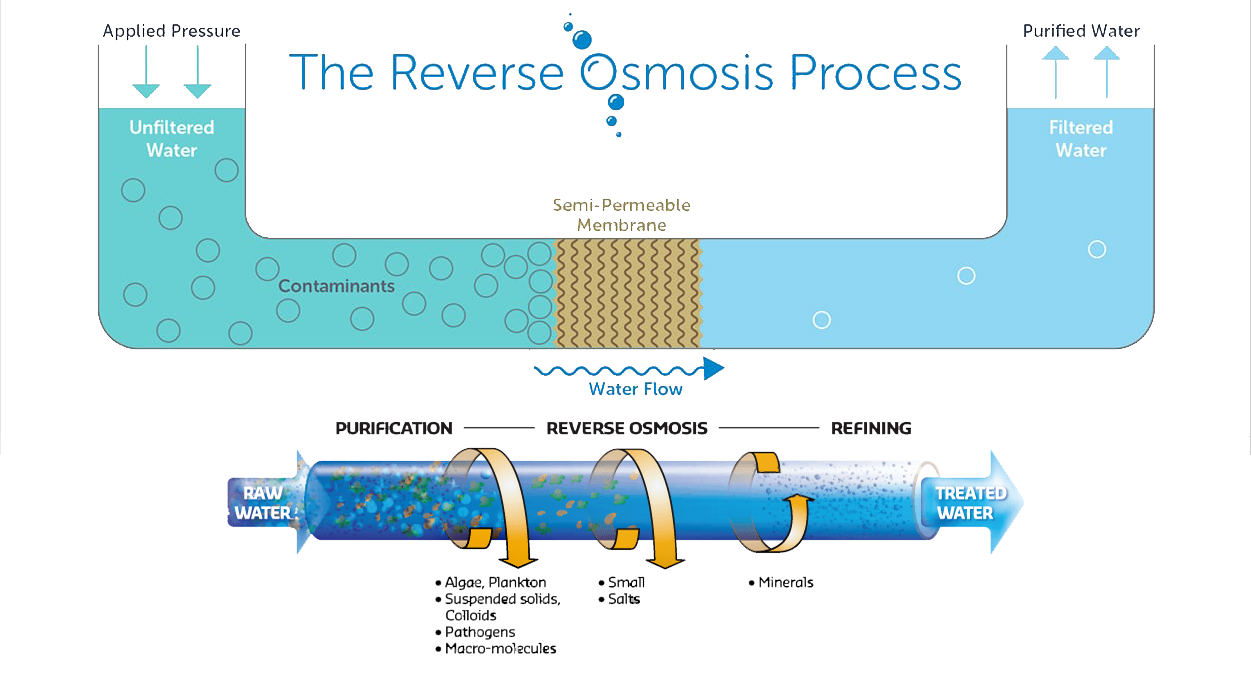
Think of reverse osmosis as a very picky cocktail strainer. You pour in your messy tap water—full of chlorine, sediment, and yesterday’s coffee grounds (okay, not coffee grounds, but you get the idea).
Must Read
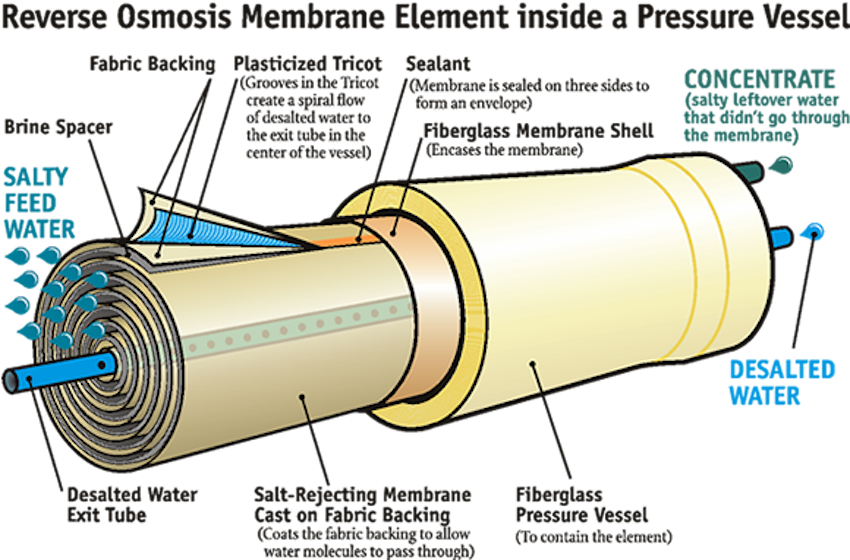
The RO system forces that water through a semi-permeable membrane. It’s like a microscopic colander with holes so tiny that only H2O molecules can slip through. Everything else—the hard stuff, the weird stuff—gets flushed away.
Ever tried to squeeze a water balloon through a keyhole? That’s what your water feels like. But it works, and the water that comes out is ridiculously pure.
The Membrane: The Real MVP
This membrane is the heart of the system. It’s basically a plastic sheet with pores 0.0001 microns wide. To put that in perspective: a human hair is about 70 microns. So we’re talking 70,000 times smaller than a hair.
If a virus tried to sneak through, it’d be like you trying to squeeze through a cat flap while wearing a sumo wrestler suit. Not happening. The membrane says, “Nope, back to the drain with you.”
Why Your Morning Coffee Deserves RO Water
I used to think water was just… water. Then I made coffee with tap water and it tasted like a wet sock. Switched to RO water, and suddenly my morning brew tasted like angels were doing a dance on my tongue.
 Reverse Osmosis - Aquaphor
The reason? No minerals means no bitter interference. Your coffee beans get to shine without the tap water’s “character” ruining the party. It’s like listening to your favorite song without static.
Plus, no limescale buildup in your kettle. That powdery white crust? Gone. Your kettle stays clean, your ice cubes are crystal clear, and your plants don’t get salty leaves. Pure win.
The “Waste” Water Awkwardness
Here’s the funny part: RO systems are a little wasteful. For every gallon of pure water you get, they dump about three gallons down the drain. It’s called reject water, and it’s totally normal—just a necessary evil.
Think of it like making orange juice. You squeeze a bag of oranges and get one glass of juice, plus a pile of pulp. The pulp isn’t “waste” in a bad way; it’s just the stuff you don’t drink. Same thing with RO.
Some clever folks run that reject water to their garden or laundry. But if you’re like me, you just accept it and move on. The trade-off is superior water.
The “Ah-Ha!” Moment in Everyday Life
You know when you visit a fancy restaurant and the water tastes so good you ask the waiter what brand it is? It’s probably reverse osmosis water. They’re not paying for fancy bottles—they’ve got an RO system under the counter.
 Use of Reverse Osmosis membrane technology in the desalination of sea
Or when you get a clear ice cube that doesn’t have that cloudy center? That’s RO water diving in slow-motion. Cloudy ice is just trapped air and impurities; RO ice is like a diamond.
And here’s the kicker: it’s not just for drinking. Use RO water for your humidifier, and you’ll never see white dust on your furniture again. Use it for your fish tank, and your goldfish will think they’ve died and gone to a spa.
The Verdict: Is It Worth It?
I’ll be honest: RO systems aren’t cheap. You’re looking at a few hundred bucks for a good one, plus filter changes every year. But if you drink a lot of water, cook, or make iced tea that actually tastes like tea and not a swimming pool… yes.
It’s the difference between listening to music on a $10 radio and a pair of noise-canceling headphones. Once you hear the clarity, you can’t un-hear it.
Plus, you’ll never buy bottled water again. That’s good for your wallet and the planet. No more lugging 24-packs from the car. Just turn on the tap and poof—pure H2O.
So next time you take a sip of water that tastes like nothing—in the best way possible—you’ll know why. Reverse osmosis isn’t magic. It’s just water going through a really epic, overprotective security checkpoint. And honestly? That’s exactly what we need.
