What Is The Serving Size For Water

Let’s be honest: most of us are walking around slightly dehydrated, clutching our Stanley cups like security blankets, and still wondering if we’ve had “enough.” You’ve master...
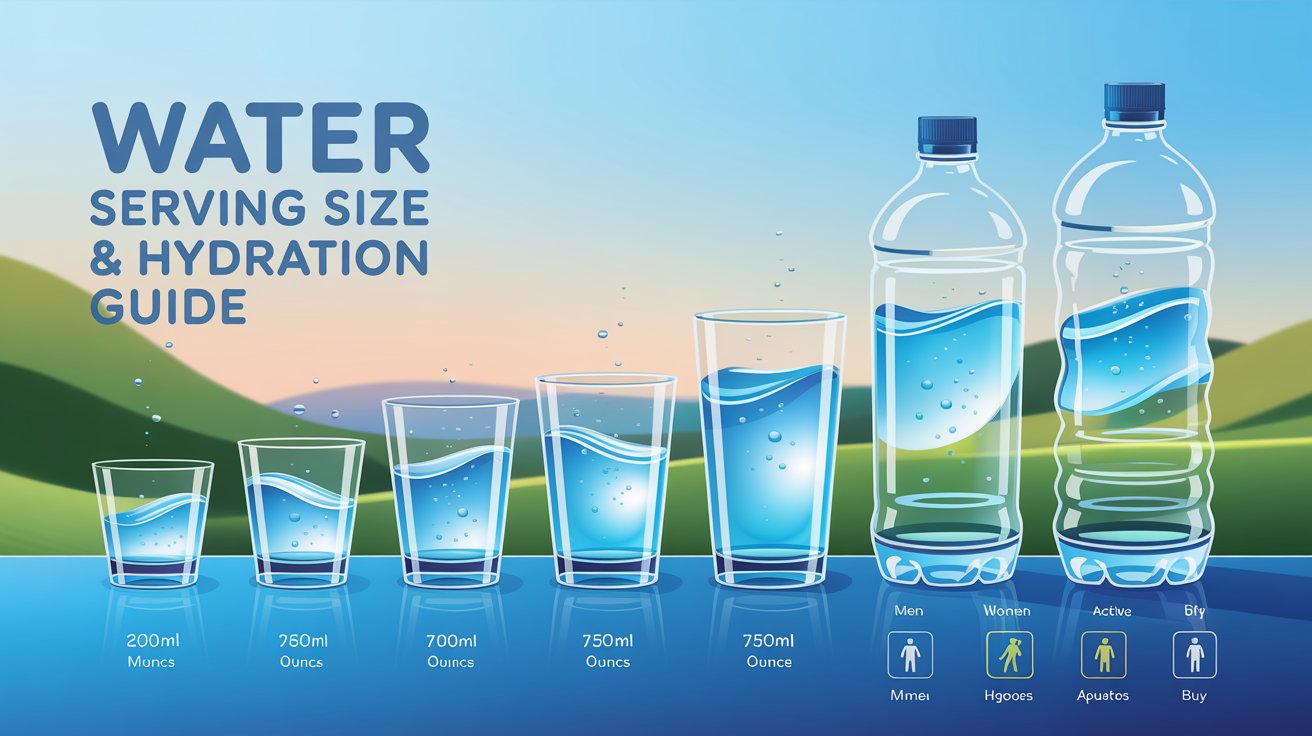
Let’s be honest: most of us are walking around slightly dehydrated, clutching our Stanley cups like security blankets, and still wondering if we’ve had “enough.” You’ve mastered portion control for pasta, quinoa, and even wine. But water? The serving size for water feels like a myth, a vague number whispered by wellness influencers and your yoga instructor. It’s time to make it real, simple, and actually doable.
The Myth of the “Eight Glasses” Rule
Remember that old adage: eight 8-ounce glasses a day? It’s a solid starting point, but not a universal law. That number came from a 1945 recommendation that said we need about 2.5 liters of water daily. But that included water from food, like your morning orange and that soup you had for lunch.
So, the real serving size? It’s personal. Think of it as a choose-your-own-adventure, not a strict diet rule. The National Academies of Sciences, Engineering, and Medicine actually suggests about 3.7 liters (15.5 cups) for men and 2.7 liters (11.5 cups) for women daily, from all sources. But let’s be real—who measures cups of water while running after the bus?
Must Read
The key shift is thinking in sips and signals, not gallons. Forget chasing an arbitrary number. Your body is smarter than a calculator.
The Real Serving: Your Body’s Boss-Level Signals
Here’s the fun part: your body has a built-in serving size indicator. It’s called thirst. But by the time you feel parched, you’re already a little behind, like showing up to a party after the cake is gone. The goal is prevention, not panic.
Check your urine color. I know, it’s awkward, but it’s the most honest metric you’ll ever get. Imagine a Pantone chart: pale straw or lemonade means you’re golden. Dark apple juice? Time to refill, stat. This visual cue is your personal serving size guide, zero math required.
Another hack? The “peek” test: pinch the skin on the back of your hand. If it snaps back instantly, you’re hydrated. If it lingers like a lazy Sunday, you need water. That’s your serving reminder from your own biology.
Cultural Sips: How the World Hydrates
Around the globe, serving sizes for water look wildly different—and that’s the point. In Japan, people sip atcha (hot green tea) throughout the day, often without thought. In Italy, you’ll see liters of still water on every dinner table, served in elegant glass bottles.
 How are serving sizes determined
Meanwhile, in rural Morocco, hospitality means pouring mint tea into small glasses repeatedly—each sip counts. These cultures don’t obsess over ounces; they weave hydration into rituals. The lesson? Water doesn’t have to be boring. Add lemon, cucumber, or even a splash of fruit juice to make your serving feel like a moment, not a chore.
Fun fact: The longest someone has gone without water is 18 days—but please don’t test that. That’s extreme survival, not lifestyle.
Practical Tips for Your Daily Pour
Ready for no-nonsense advice? Start your day with a glass of water before coffee. It jumps starts your metabolism and rehydrates you after eight hours of sleep. Consider it your first serving—the easiest one you’ll ever drink.
Set a water bottle anchor. Keep a 750ml bottle on your desk, in your car, or by your couch. Fill it twice a day, and you’re at 1.5 liters. That’s a solid base. Add a glass with lunch and dinner, and you’re golden.
Use the “sip before you snack” method. When you feel peckish, drink a glass of water first. Often, thirst masquerades as hunger—a sneaky costume. This trick also helps with portion control for food, a double win.
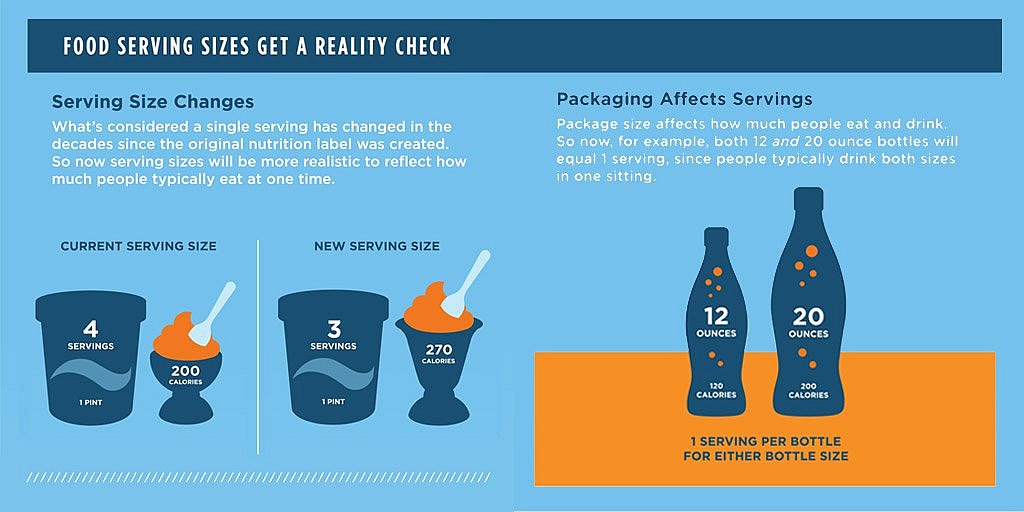 Portion Scoops Size Chart
The Science of the Perfect Sip
Here’s a tidbit that sounds like magic but is pure biology: Water helps your brain work better. Even mild dehydration (a loss of 1-2% of body weight) can scatter your focus like confetti. Your serving size for water is actually a serving size for clarity.
Cold water is absorbed faster than room temperature water, so if you’re really thirsty, go for the chill stuff. But warm water with lemon in the morning aids digestion. The temperature is your choice; the consistency is what counts.
And please, don’t fall for the “eight glasses before breakfast” influencer trend. Overhydration is a real thing (hyponatremia), especially if you’re chugging gallons while running a marathon. More isn’t always better. Balance, darling, balance.
A Little Fun: Water by the Numbers
- The average human body is 60% water. That’s like having a giant water balloon with legs.
- A 1% drop in hydration can lower your mood. Dry tongue? Grumpy streak? Reach for a glass.
- Coffee and tea do count towards your intake—they’re not dehydrating, despite old myths. So your morning espresso is a tiny serving.
- Watermelon is 92% water. Eating a slice is basically cheating the system.
Reflection: The Glass You Carry
I used to stress about hitting a number, feeling guilty if my app said “70% complete.” Then I realized: serving sizes are guides, not judges. Water isn’t a punishment to gulp down; it’s a quiet companion that keeps your skin glowing, your energy steady, and your thoughts clear. The best serving size is the one that feels like freedom—not force.
So here’s my reflection for your daily life: replace “I should drink more water” with “I get to have a pause.” Each sip is a small reset. Whether it’s a tall glass by your bedside or a stainless steel bottle on your commute, treat water as a gentle act of self-care. You are not a camel. You are a human, wonderfully made of the same stuff as rivers and rain. Drink like it.
Now, go fill your cup. Your serving is waiting.
