How To Test Microplastics In Water

So, you want to play microplastic detective? Welcome to the club. It’s like finding invisible confetti in your drinking glass. And trust me, it’s way more fun than it sounds....

So, you want to play microplastic detective? Welcome to the club. It’s like finding invisible confetti in your drinking glass. And trust me, it’s way more fun than it sounds.
First, a reality check. You can’t see microplastics with your naked eye. They’re smaller than a sesame seed, and often tinier than a grain of sand. But that doesn’t stop us from hunting them down like tiny, plastic Bigfoots.
The "I Swear I Saw Something" Method
Grab a clear glass bottle—the simpler, the better. Fill it with your suspect water (tap, pond, or even your fancy bottled stuff). Now, hold it up to a bright light and squint. Do you see any weird floating specks? Probably not. That’s okay. This test is mostly for dramatic effect.
Must Read
I once did this at a dinner party. I stared at a glass of sparkling water for five minutes. My friend thought I was having a stroke. I wasn’t. I was just hunting.
The "Boil, Filter, and Cry" Technique
This one feels like a real science experiment. Get a clean, white coffee filter. Pour your water through it. You want to catch any solid bits. Now, let the filter dry on a windowsill. Do not sneeze on it.
Once dry, examine the filter with a magnifying glass. You might see tiny, colorful dots. Bingo. Those are likely microplastics. Or maybe they’re just dust. That’s the fun part—you never know for sure.
Fun Fact: Your Socks Are The Culprit
Did you know a single fleece jacket can shed 1,700 fibers per wash? Those fibers end up in your water. So when you test your tap water, you’re basically looking for your own laundry’s ghost. It’s a weird, plastic-y circle of life.
Even your toothbrush is shedding. Yes, scrubbing your teeth releases invisible plastic bits. Brushing has never felt so guilty—or so meta.
 Enhancing Microplastic Analysis with an Advanced Water Quality LIMS
The "Blue Velvet" Trick
Pour your water into a shallow white bowl. Add a drop of blue food coloring. Swirl it gently. Microplastics repel water, so they often float or clump together. The blue dye helps them pop against the white bowl. It’s like a cheap party trick for scientists.
Look for tiny, shiny flecks. They look like glitter from a 1990s birthday party. Glitter is actually microplastic, by the way. So if you see sparkles, you’re a hero—or a villain. Depends on your mood.
Quirky Warning: Don’t Drink The Test Sample
I know. It’s tempting. You’ve been swirling and squinting. You want closure. But do not drink it. You just added food coloring and maybe even poked it with a fork. Plus, you don’t want to ingest the evidence. Save that for a different adventure.
One time I tried this with pond water. I found a tiny, blue bead. I was so proud. Then I realized it was a piece of a kid’s toy. I still count it as a win.
The "DIY Fancy Lab" Method
If you want to get serious (but still silly), try this. Filter your water through a cheesecloth. Then burn the cheesecloth. Seriously. Microplastics smell like burning plastic (duh). It’s a dead giveaway. Just do it outside. Your kitchen will smell like a burning Tupperware factory.
Or, if you have a black light, shine it on your water. Some plastics glow under UV light. It’s like a rave for pollution. Cue the techno music.
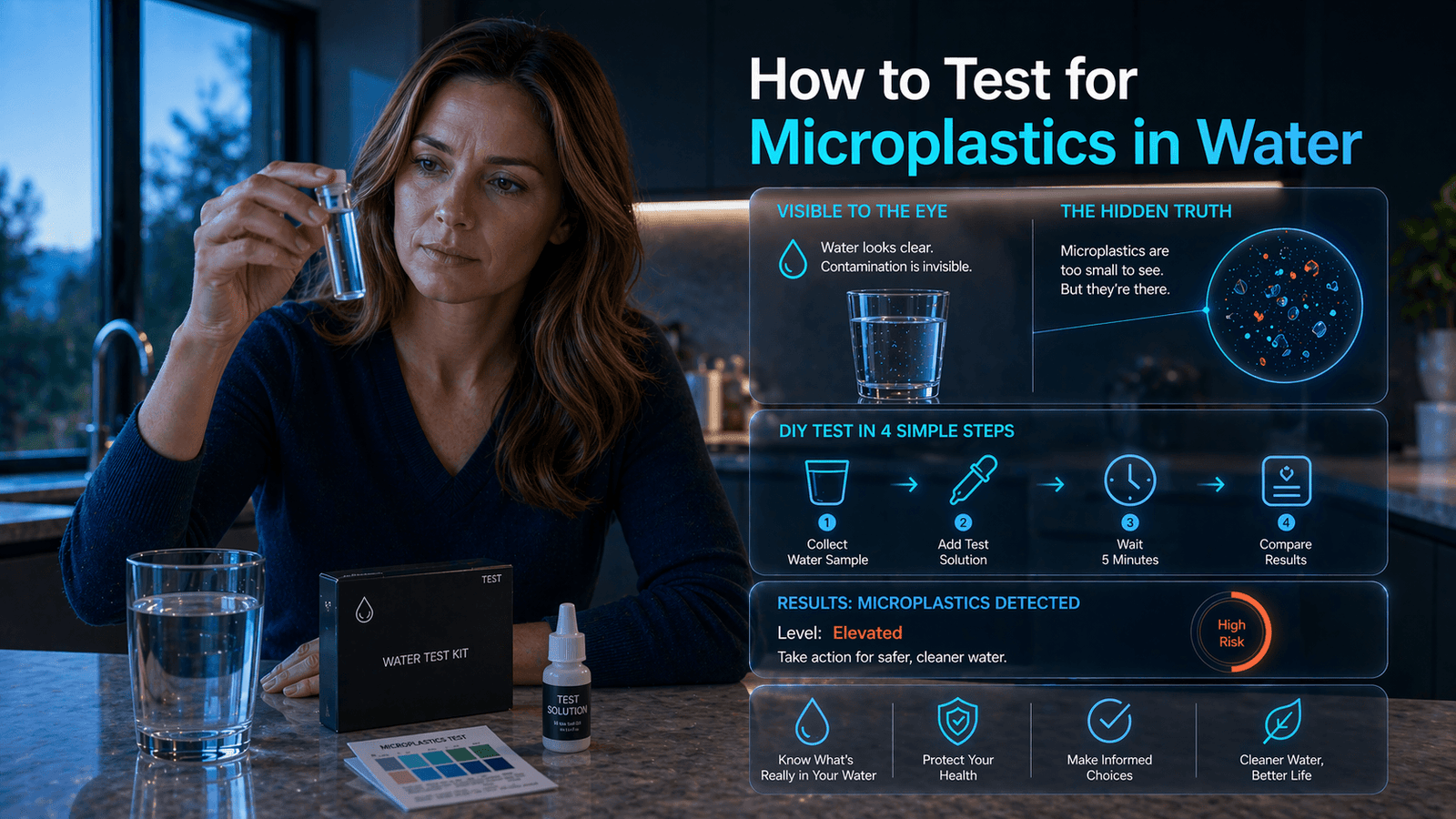 How to Test for Microplastics in Water at Home in 2026
Why Even Bother?
Because it’s fun to be a little paranoid. Testing your water makes you feel like a secret agent. You’re aware of the invisible enemy. And awareness is the first step to doing absolutely nothing—or maybe buying a fancy filter.
Also, microplastics are in 83% of tap water samples worldwide. That’s a statistic that sounds like a bad joke. But it’s true. You’re not just testing water. You’re testing the whole planet’s laundry habits.
And hey, if you find a piece of a Lego in your glass? That’s a treasure. Frame it.
Final Pro Tip: Don’t Panic
Look, microplastics are everywhere. In the air. In your salt. In your beer. Even at the bottom of the Mariana Trench. Finding them in your water is like finding a missing sock. It’s annoying, but life goes on.
The real fun is in the hunt. The squinting. The tiny, suspicious flecks. You will feel like a mad scientist. That’s the point. So grab a bottle, get a filter, and start your search. Just don’t forget to wash your hands after. You know, because of the plastics.
Happy hunting, detective. Your water is waiting.
