How To Clean Hard Water Dishwasher

So, you’ve got a dishwasher that looks like a crime scene from a mineral-water gang war, with cloudy glasses and a mysterious white film on everything. Welcome to the world of...
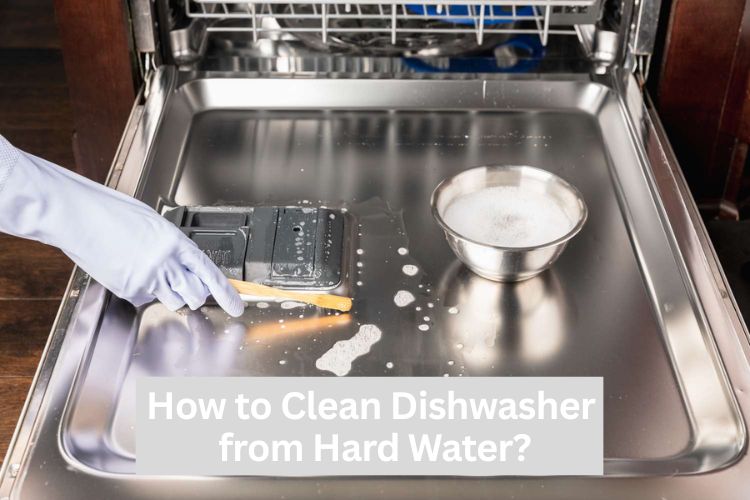
So, you’ve got a dishwasher that looks like a crime scene from a mineral-water gang war, with cloudy glasses and a mysterious white film on everything. Welcome to the world of hard water, where your appliance has turned into a tiny, stubborn limestone factory. You didn’t sign up for this, but here we are—ready to wage war on calcium and magnesium deposits with a sponge and some vinegar.
First, let’s get one thing straight: hard water isn’t your dishwasher’s fault—it’s the water’s. Think of it as the tap water that went to the gym and got too buff, leaving scale everywhere like a trail of protein powder. If you’ve ever scrubbed a showerhead that looked like it was growing coral reefs, you know the enemy.
The "Don't Panic, It's Just Science" Check
Before you declare war, confirm you actually have hard water. Fill a glass with tap water, add a few drops of dish soap, and shake it. If it barely froths—like a sad latte—you’ve got hard water. Congratulations, you’re officially part of the mineral club that ruins your beer mugs and makes your dishes look dusty.
Must Read
Surprising fact: Hard water isn’t bad for your health—it’s actually good for your bones because of all that calcium. But let’s be real: you didn’t buy a $500 appliance to give your skeleton a spa day. You bought it to make glasses sparkle, not look like they were dipped in skim milk.
Phase One: The Vinegar Vengeance
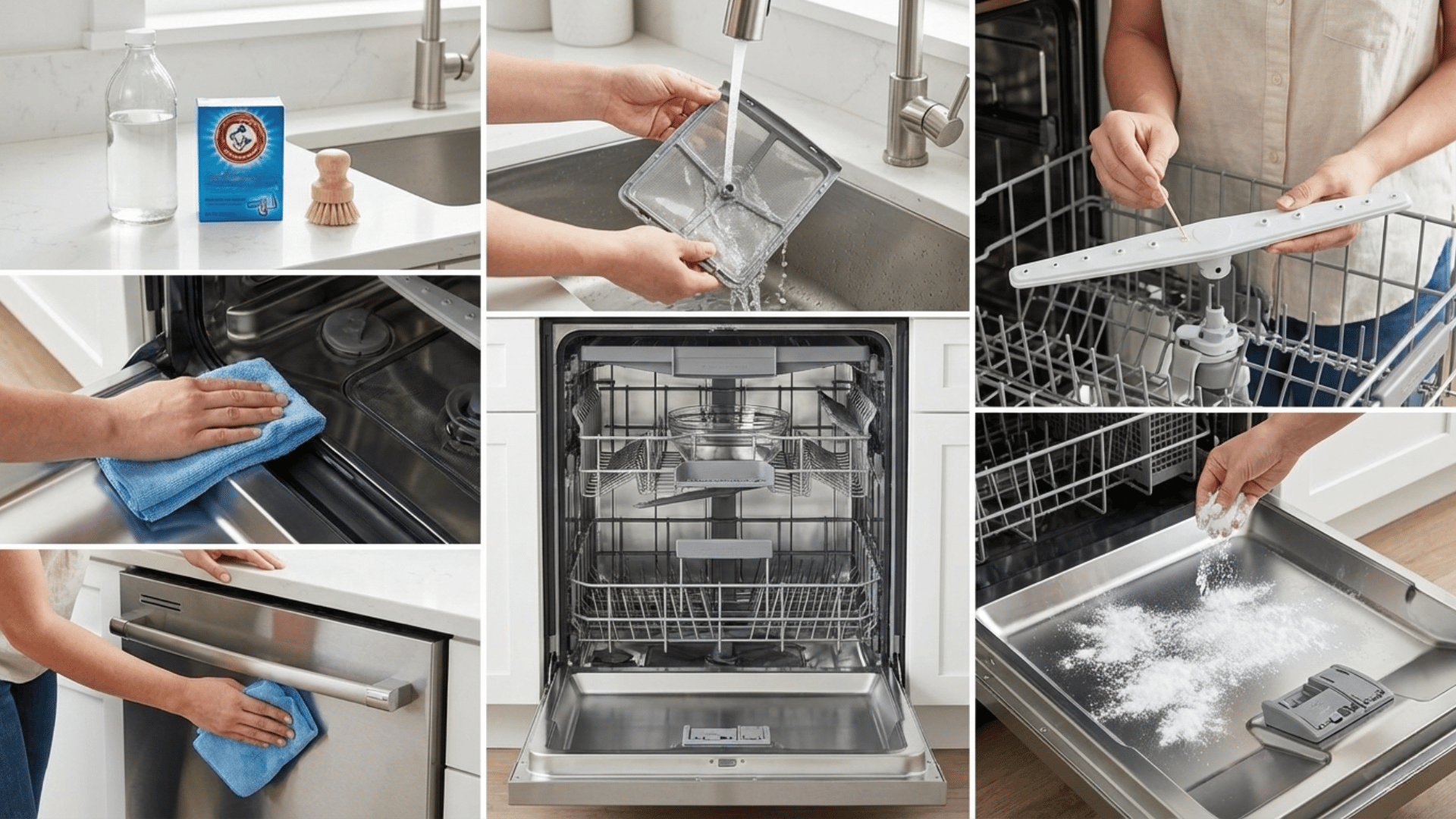
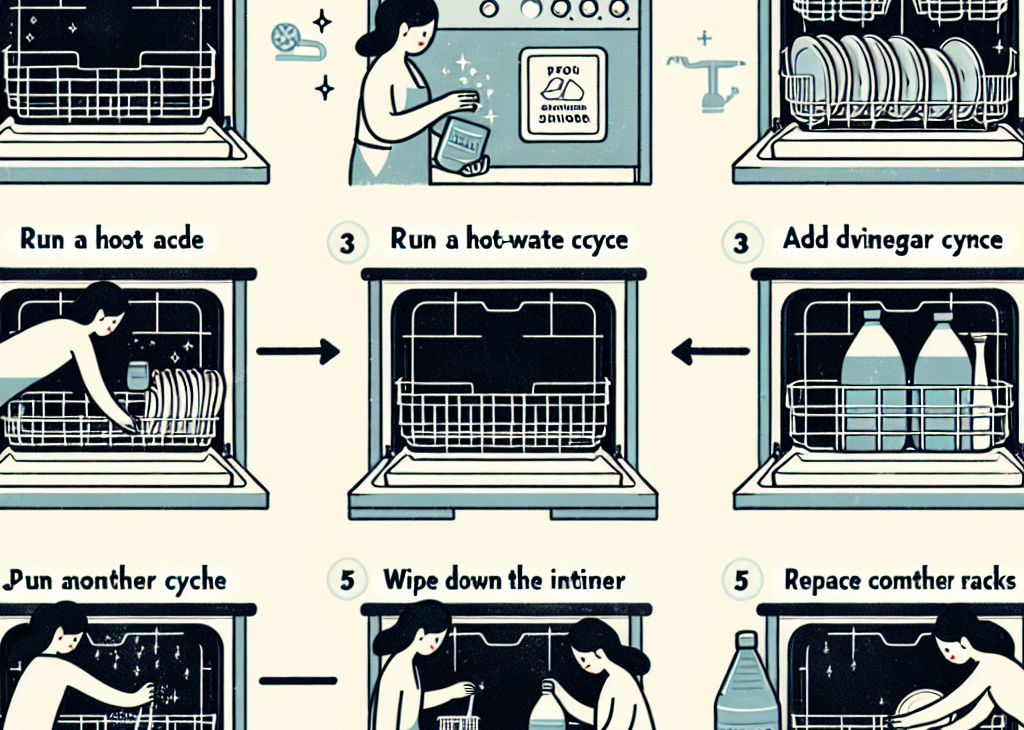
Grab a cup of white vinegar—not balsamic, because you’re cleaning, not cooking pasta. Place it upright on the top rack of your empty dishwasher. Run a hot wash cycle with the heat-dry setting turned off. Why? Because vinegar hate, hate, hates heat, and it will literally evaporate before doing its job.
The vinegar will break down those hard water deposits like they’re gossip at a high school reunion. If your dishwasher smells like a salad dressing, you’re on the right track. Once the cycle finishes, open the door and let it air out—your kitchen will smell like a pickle factory for an hour, but that’s the price of victory.
Phase Two: The Baking Soda Blitz
Now that the vinegar has done its deep-clean tango, sprinkle about a cup of baking soda across the bottom of the dishwasher. Run a short, hot rinse cycle. This will deodorize the vinegar smell and scrub away any stubborn residue. It’s like giving your dishwasher a detox spa day—but without the cucumber water.
 How to Clean Your Dishwasher the Right Way at Home? - A House in the Hills
If you hear fizzing during this cycle, do not panic—that’s the sound of science working its magic. You’re basically a chemist in a rubber apron. If you’re feeling fancy, add a few drops of lemon essential oil to the baking soda for a fresh scent. But don’t go overboard, or your next load of plates will smell like a lemon merengue pie.
Phase Three: The Filthy Filter Revelation
Here’s the part nobody talks about: your dishwasher filter. It’s probably hiding at the bottom of the machine, packed with gunk that looks like ancient swamp slime. Unscrew it (check your manual, because brands are jerks about this), rinse it under hot water, and scrub it gently with a soft brush. If you find a fossilized French fry, consider it a trophy.
Surprising fact: A clogged filter makes hard water buildup worse because the minerals recirculate instead of washing away. It’s like trying to clean a greasy pan with a greasy sponge—you’re just spreading the love. Clean the filter once a month if you have hard water, or your dishwasher will hold a grudge.
The Laughingstock of Lime Scale (Optional but Recommended)
If the vinegar and baking soda don’t cut it—and your glasses still look like they’ve been in a sandstorm—buy a commercial dishwasher cleaner that specifically targets limescale. Brands like Affresh or Finish make tablets that are basically steroids for your machine. Use one every three months, and don’t skip the filter cleaning.
 Step-by-Step Guide to Cleaning Your Dishwasher for Optimal Performance
For an even cheaper hack: some people swear by citric acid powder. Just two tablespoons in the detergent cup, run a hot cycle, and watch the scale dissolve like a snowman in July. But be careful—too much citric acid can eat rubber gaskets, so moderation is your friend. You’re a warrior, not a demolition crew.
Prevention: The "Set It and Forget It" Phase
Hard water isn’t going to stop being hard, but you can raise the stakes. Install a dishwasher salt compartment if your machine has one—it softens the water by swapping calcium for sodium. If you don’t have a salt compartment, grab a rinse aid (like Jet-Dry) that stops water spots from forming. It’s basically a force field for your glasses.
Also, don’t use too much detergent. Hard water actually makes detergent less effective, so people overcompensate by dumping in half the bottle. That creates sudsy chaos and leaves a white film that makes your dishes look like they’re covered in chalk dust. Use the recommended amount, and your dishwasher will thank you by not staging a rebellion.
The Final Rinse: You’ve Won (For Now)
After this deep-cleaning ritual, run a final empty cycle with just water—no vinegar, no baking soda, no anything. Check your glasses: if they sparkle like a wedding cake, you’ve beaten the hard water. If not, repeat the process once more, because sometimes limestone takes two rounds to surrender.
And if all else fails, accept that your dishwasher is a high-maintenance drama queen. Hard water is a natural disaster in appliance form, but with a little vinegar, a pinch of baking soda, and a lot of cursing under your breath, you can reclaim your sparkle. Now go pour yourself a glass of water—but maybe use a filter this time.
