How To Fix Contaminated Well Water

There’s nothing quite like the crisp, clean taste of water pulled straight from your own well. It’s the ultimate flex of self-reliance, a quiet rebellion against the monthly w...

There’s nothing quite like the crisp, clean taste of water pulled straight from your own well. It’s the ultimate flex of self-reliance, a quiet rebellion against the monthly water bill. But when that glass looks a little cloudy, or worse, smells like a biology experiment, your private oasis can feel like a problem you never signed up for.
Contaminated well water is more common than you might think. According to the CDC, nearly one in five private wells have detectable levels of contaminants, from bacteria to heavy metals. That’s a lot of people sipping on potential trouble without even knowing it.
The good news? You don’t have to move to the city or shell out for bottled water for life. Fixing your well water is totally doable, and with a little know-how, you can get back to that crisp, guilt-free glass of hydration.
Must Read
First, Diagnose the Drama
Before you start throwing bleach or fancy filters at the problem, you need to know what you’re dealing with. Think of it like a mystery episode of Law & Order—you need evidence, not just suspicion.
Get your water tested by a state-certified lab. It costs around $50 to $150, and it’ll tell you if you’re fighting bacteria (like E. coli), chemicals (nitrates from fertilizer), or minerals (iron that stains your sink orange).
Fun fact: That rusty-red tint in your water? It’s likely iron, which isn’t dangerous to drink but will turn your white laundry into a 80s punk-rock aesthetic. Not the vibe you’re going for.
Common Culprits and Their Fixes
If you discover coliform bacteria, don’t panic. This often means surface water is sneaking into your well through a cracked cap or a poorly sealed casing. The fix? Chlorination—a fancy word for a good old-fashioned shock treatment.
Pour a calculated amount of household bleach down the well, circulate it with a hose, and let it sit for 12-24 hours. Then flush the system until the chlorine smell is gone. It’s like a spa detox for your well, minus the cucumber slices.
For nitrates (common in farming areas), shock treatment won’t cut it. You’ll need a reverse osmosis system under your kitchen sink. Think of it as a bouncer at a club, only letting the good molecules through while kicking out the troublemakers.
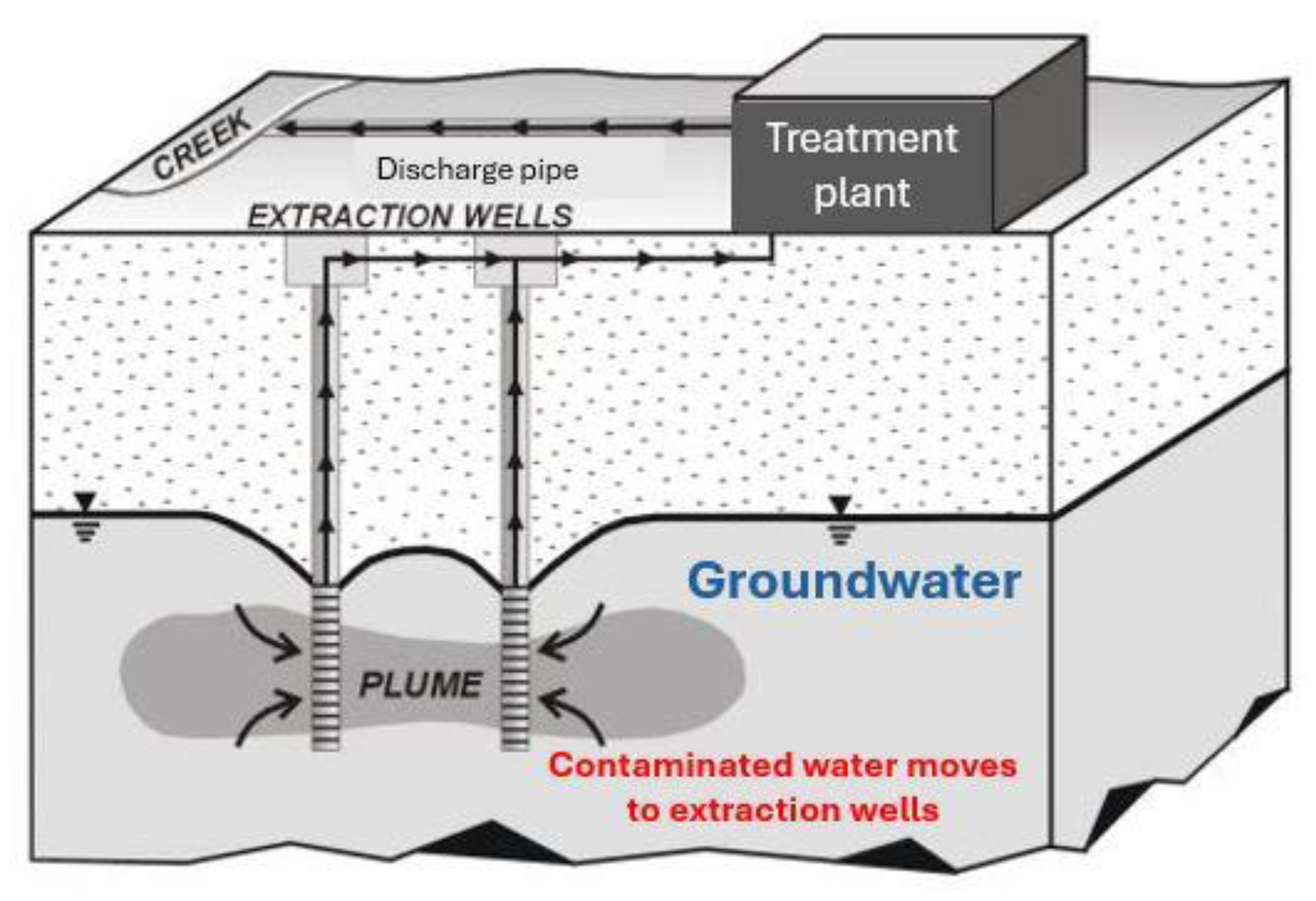 Sustainability in Site Remediation: Occupational Health and Safety
Hard Water? Soften the Blow
Does your tap water feel like you’re washing your hands with liquid chalk? That’s hard water, packed with calcium and magnesium. It’s not a health hazard, but it’ll wreck your pipes and leave your skin feeling like parchment.
A whole-house water softener is your best friend here. It uses ion exchange to swap those hard minerals for sodium or potassium. Bonus: your soap will lather like a dream, and your hair will stop feeling like straw.
Fun little fact: The Great Salt Lake is so hard with minerals that it’s basically nature’s own water softener—only you’d float like a cork, not drink it. Hard pass.
When It Gets Heavy: Metals and Arsenic
If your test shows lead, copper, or arsenic, you’ve entered the serious zone. These aren’t just aesthetic problems; they can affect your brain and organs over time. Think of them as the uninvited party guests who break all your furniture.
A distillation system or a specialized activated carbon filter can remove these heavy hitters. Distillation boils water and collects the steam, leaving anything with a higher boiling point behind. It’s slow, but it’s as thorough as Marie Kondo organizing a sock drawer.
For arsenic specifically, you might need a reverse osmosis unit with a pre-filter for sediment. Check your local health department—they sometimes have grant programs for this, because nobody should be drinking trace amounts of poison.
DIY vs. Pro: Know Your Limits
You can absolutely handle a chlorination shock on your own. It’s as simple as buying a few gallons of bleach and following the manual from your well company. Just wear gloves and old clothes; you don’t want to smell like a swimming pool for a week.
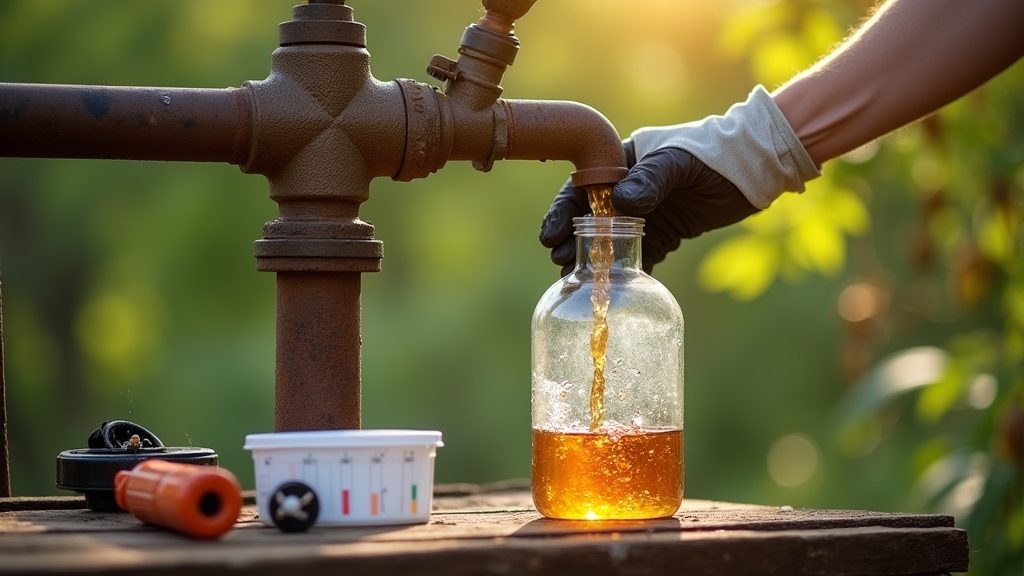 How to Fix Yellow Well Water: Regular Testing & Maintenance – Plumbing Ways
But for installation of a reverse osmosis system or a water softener, call a licensed well contractor. They’ll size the system correctly and avoid flooding your basement in a fit of DIY ambition. We’ve all seen those Home Depot fails on TikTok.
Pro tip: If your well is older than 20 years, consider upgrading the casing and cap. A $300 repair now can save you $3,000 in filtration later. That’s the kind of math we can all get behind.
Maintenance: The Boring but Beautiful Part
Once your water is clean, don’t just set it and forget it. Test your water annually for bacteria and nitrates. It’s like an oil change for your life source—simple, cheap, and infinitely better than surprise disaster.
Change your filters on schedule. A neglected carbon filter becomes a breeding ground for bacteria, which is the opposite of what you want. Set a calendar reminder: “Love your well, change that cartridge.”
Fun fact: In Japan, some households have a ritual to thank their well for clean water. You don’t have to bow to your filter, but a little gratitude and a maintenance schedule won’t hurt.
The Final Glass
Think of clean well water as a quiet triumph. It’s not flashy like a new car or a vacation, but every time you fill a glass, you’re tasting the result of your own effort. You’ve taken a piece of the earth and made it safe, pure, and yours.
That’s a kind of power that’s hard to buy. And honestly, it tastes better than anything from a plastic bottle. Cheers to that.
