How To Test Drinking Water At Home

You know that moment when you fill a glass from the tap, take a sip, and your brain goes, "Hmm, is that... chlorine? Or maybe yesterday's gym sock?" We've all been there. Test...
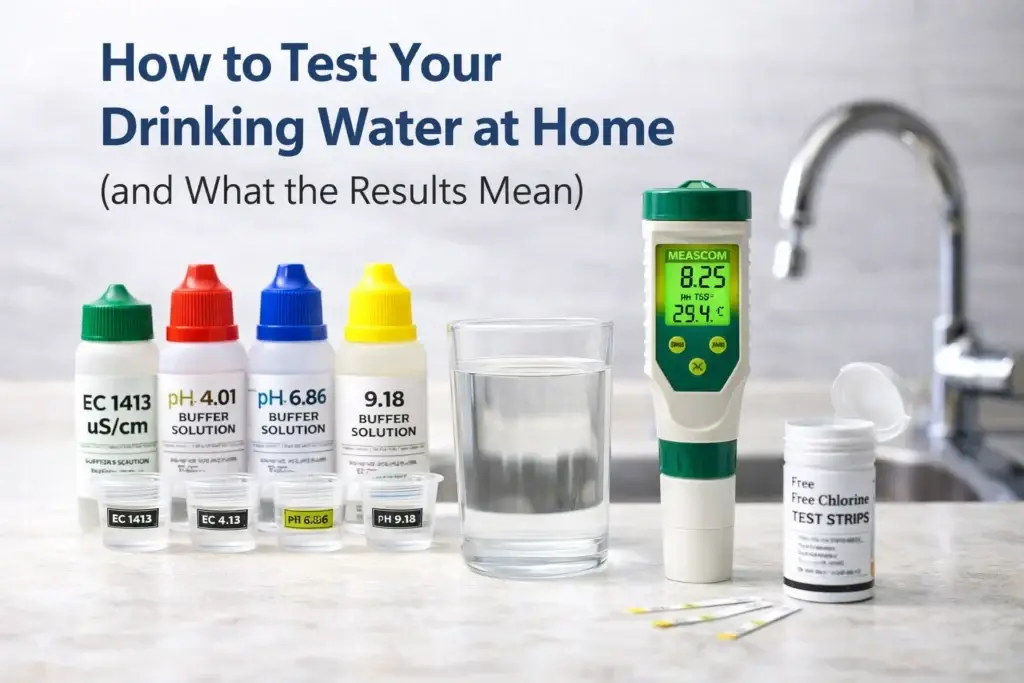
You know that moment when you fill a glass from the tap, take a sip, and your brain goes, "Hmm, is that... chlorine? Or maybe yesterday's gym sock?" We've all been there. Testing your home water doesn't require a lab coat or a degree in chemistry—just a little curiosity and a few tricks that won't make you feel like a mad scientist.
The "Nose Knows" Test
First, get your nose in the game. Pour a fresh glass and give it a good sniff. If it smells like a swimming pool on a hot day, that's chlorine doing its job, but maybe overdoing it.
A rotten-egg odor? That's hydrogen sulfide, and it's nature's way of saying, "Please call a plumber, buddy." Your nose is basically your first line of defense—trust it like you trust a dog that barks at the mailman.
Must Read
The "Gremlin Cloud" Check
Fill a clear glass and hold it up to the light. If the water looks like a mini snow globe full of floating white specks, that's usually just harmless sediment or air bubbles. But if it's cloudy and doesn't clear up after sitting for a minute, you might have something more interesting lurking.
I once convinced myself my tap water contained tiny gremlins. Turns out, it was just hard water minerals—but the drama was fun while it lasted. Give it that visual once-over before you commit to drinking it.
The "Taste Test" (But Be Brave)
Yes, you have to actually drink a little. Take a small sip and let it sit on your tongue for a second. A metallic taste often means iron or copper from old pipes, which isn't dangerous but can make your morning coffee taste like a used penny.
A salty or bitter flavor? That could be a sign of high mineral content or, in rare cases, chemical contamination. If your water tastes like a poorly made cocktail, it's worth investigating more.
Leftover Coffee Test
Here's a pro tip: brew a pot of coffee with your tap water. If the coffee tastes weird—like someone dropped a sock in the filter—your water is the culprit. Coffee is basically a truth serum for water.
 How to Test Drinking Water at Home: A Step-by-Step Guide - Cultivator
I once blamed my terrible morning brew on old beans. After switching to bottled water, I realized my tap water had been sabotaging my caffeine ritual for months. Don't let your water ruin your most important relationship of the day.
The "Mystery Stain" Investigation
Check your sink, toilet bowl, or showerhead for stains. Reddish-brown streaks? That's iron having a party. Blue-green stains? That's copper showing off, usually from acidic water eating your pipes alive.
White crusty buildup on your kettle? You've got hard water, which is harmless but annoying—like that friend who always wants to borrow your car. These stains are your water's way of leaving a signature.
The DIY Home Test Kits (They're Not Scary)
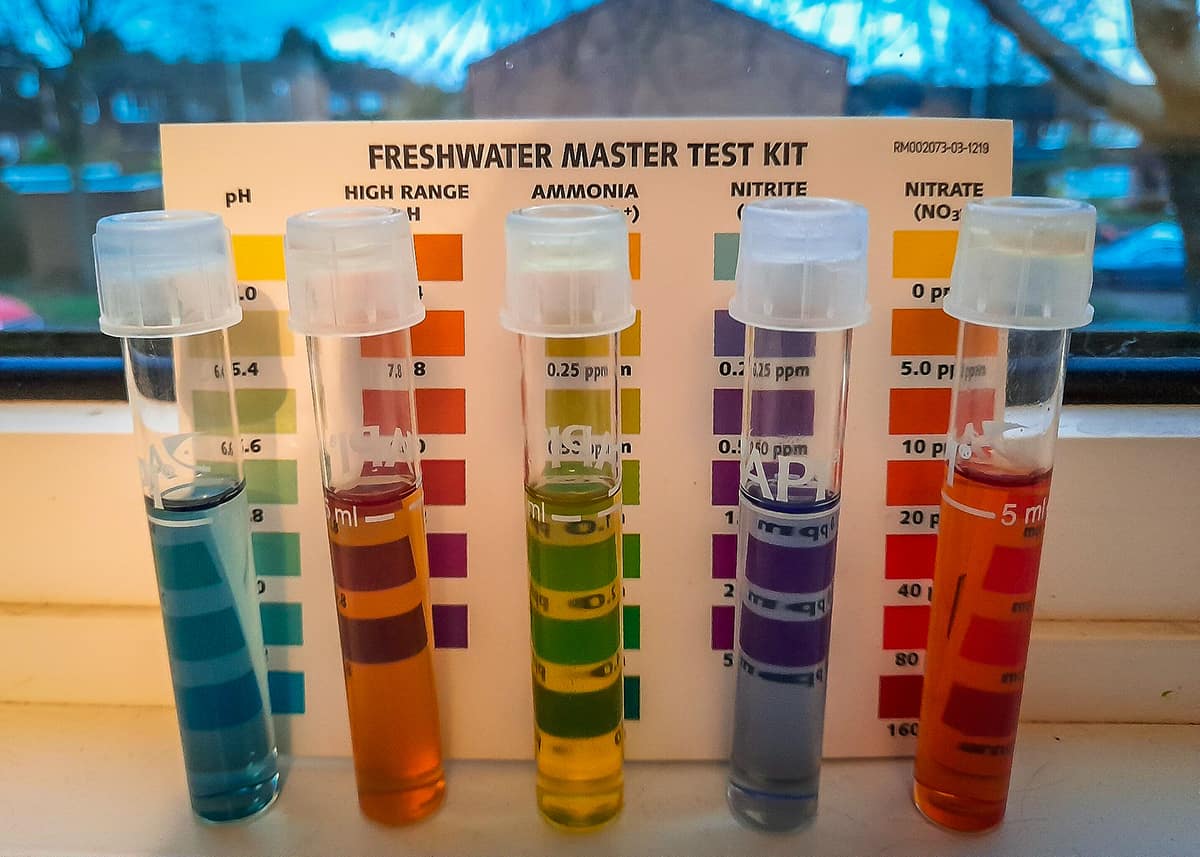
If your senses are screaming, "Something's up!" grab a home water test kit from the hardware store. They cost about the same as a fancy pizza and come with little strips that change color like a mood ring.
Dip the strip in water, wait a few seconds, and compare the colors to the chart. It tests for pH, hardness, chlorine, and sometimes bacteria. It's so easy, a bored teenager could do it while scrolling TikTok. I did mine during a commercial break and felt like a proper detective.
 Water Quality Testing Ireland – Water Testing – GCDJ
The "Boil and Wait" Method
Boil a pan of tap water for 10 minutes, let it cool, and look for leftover stuff. If you see a white film floating on top, that's calcium carbonate from hard water. It's not dangerous, but it's a sign your water is asking for a Brita filter.
If you notice a weird oily sheen? That might be something else—maybe stop drinking it and call your local water authority. But a little white film is just your water being extra.
When to Call in the Pros (and When to Chill)
If your water tastes fine, looks clear, and doesn't smell like a swamp, you're probably good. Testing at home is mostly about peace of mind and avoiding that moment when your guest asks, "Is this water supposed to be brown?"
But if you see bubbles, visible particles, or a funky smell that won't quit, call your local health department or a certified lab. They'll do fancy tests for lead, bacteria, and other scary stuff you don't want to guess about.
In the end, drinking water should be boring—clear, tasteless, and totally forgettable. If yours is making you raise an eyebrow, it's worth a five-minute test. And if all else fails, just drink out of a fancy glass; it fools your brain into thinking everything's fine. Cheers to not being a water conspiracy theorist, but also not being a fool.
