How To Remove Rust From Well Water

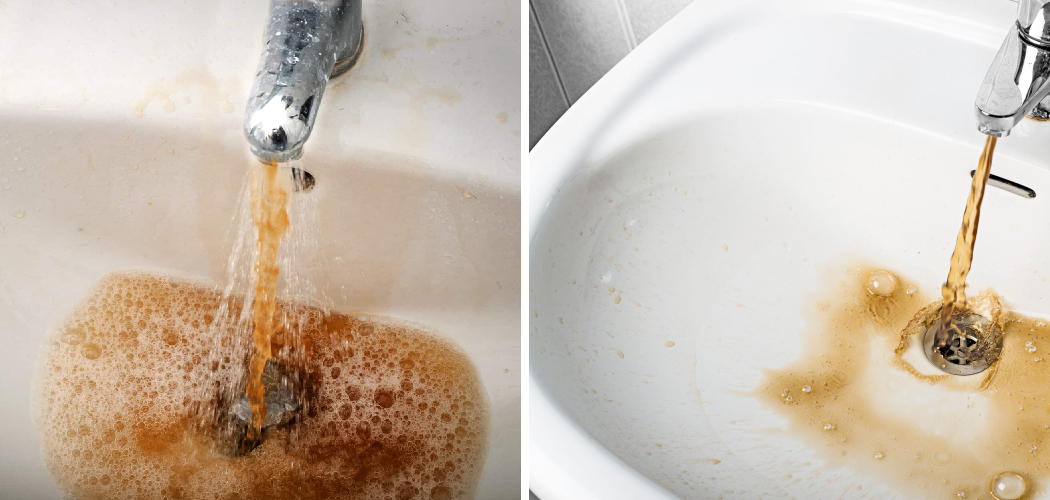
So, you turn on the tap, and out comes water that looks more like iced tea or liquid rust. Not exactly the crystal-clear hydration station you were hoping for, right? You’re p...

So, you turn on the tap, and out comes water that looks more like iced tea or liquid rust. Not exactly the crystal-clear hydration station you were hoping for, right?
You’re probably dealing with iron in your well water, which is actually super common. Think of it like nature’s way of adding a little mineral “seasoning”—except no one wants rusty socks or orange-stained sinks.
The good news? You can absolutely fix this. It’s not magic, it’s just a little chemistry and some clever gear.
Must Read
First, Let’s Figure Out What You’re Dealing With
Is your water just a little “golden,” or are you seeing actual reddish flakes settling at the bottom of a glass? The difference matters, because it tells us if the iron is dissolved (clear when fresh, rusty after sitting) or solid (visible right away).
This is like diagnosing a weird noise in your car—you need to know if it’s a loose screw or a failing engine. With water, the type of iron dictates your next move.
A simple test kit from a hardware store (or a lab) will tell you the iron level and pH. Don’t skip this—it’s the secret map to choosing the right solution.
The Classic Cool Trick: Water Softeners
You’ve probably heard of water softeners for hard water (the stuff that leaves white scale). But guess what? They’re also surprisingly good at removing small amounts of dissolved “clear water” iron.
The softener uses little resin beads that grab the iron ions, kind of like a magnet picking up paperclips. It’s a two-for-one deal: softer skin and less rust staining.
But—and this is a big but—if your iron level is high (over 2-3 parts per million), a softener alone will get overwhelmed fast. It’s like using a fly swatter on a swarm of bees.
Oxidation: The Cool Chemistry Solution
Here’s where it gets really interesting. The most effective way to remove heavy iron is to oxidize it—which is just a fancy word for “make it rust on purpose” so you can filter it out.
 How to Remove Rust from Tap Water | 10 Easy Methods (2025)
Think of it like this: you trick the iron into turning into solid particles (like that flaky rust you see on an old fence), then you catch those particles with a filter. Brilliant, right?
You can do this with a chemical like chlorine (bleach), or with a non-chemical method using oxidizing media like Birm or Greensand. The non-chemical route is super chill—less maintenance, no weird smells.
Air Injection: Nature’s Way
My personal favorite? An air injection system. It literally sucks in a bubble of air, lets the iron “breathe” and rust, then filters it out. It’s like giving your water a little fresh air to chill out.
No chemicals, no complex dosing. Just a tank, some air, and a filter. It’s the lazy genius solution—simple, effective, and low-maintenance.
What About That Ugly “Sulfur” Smell?
If your well water smells like rotten eggs, you’ve got a bonus guest: hydrogen sulfide gas. The good news is the same oxidation methods (air injection or chlorine) often handle both the rust and the smell.
It’s like hitting two annoying birds with one very cool stone. Your water goes from “ew, what’s that?” to “ahh, that’s nice.”
Filtering It All Out: The Final Step
After you’ve oxidized the iron, you need to get those solid rusty bits out of the water. That’s where a simple sediment filter (like a cartridge or a backwashing filter) comes in.
 7 Effective Ways to Get Rid of Rust in Well Water
Think of it as the bouncer at a club—only clear water gets in; rusty particles are politely escorted out. Some systems combine the oxidation and filtration into one tank, which is super sleek.
Your plumber or a water treatment pro can help you pick the right size. It’s worth the investment, I promise.
Quick Pro Tips for the DiY Spirit
If you’re not ready to buy a full system, try flushing your well or cleaning the screen. Sometimes, iron buildup is just local sludge, not the whole water supply.
Also, test your water every year. Wells can change their personality over time—what worked last year might not work next. Stay curious, not paranoid.
And seriously, don’t use bleach in your well without guidance. You can accidentally create a different problem (like chlorine byproducts). Better to ask a pro first.
The Bottom Line (No Rust Jokes, I Promise)
Getting rid of rust from well water isn’t as scary as it looks. It’s just a fun little puzzle of chemistry, physics, and a bit of plumbing.
Once you find the right solution—whether it’s a softener, an air injector, or a filter—you’ll be drinking water so clear you’ll forget it ever looked like tea. And your white shirts? They’ll thank you forever.
So, go ahead. Take a test, talk to a local well expert, and say goodbye to the orange tint. Your water is about to get a major glow-up.
