How To Determine Hardness Of Water

Ever wondered why your water feels a little… different sometimes? Maybe your soap refuses to lather properly, or your coffee maker has a weird white crust. That, my friend, is...

Ever wondered why your water feels a little… different sometimes? Maybe your soap refuses to lather properly, or your coffee maker has a weird white crust. That, my friend, is hard water in action—and figuring out its "hardness" is actually a pretty cool little science trick. Let’s dive in, shall we?
What Even Is Hard Water?
Think of water as a thirsty sponge. As it travels through soil and rock, it picks up tiny minerals like calcium and magnesium. More minerals = harder water. Soft water is the opposite—it’s like the water’s been on a diet, keeping things light and bubbly.
Why should you care? Because hard water can mess with your appliances, your skin, and even your laundry. But don’t worry—it’s totally natural, and not dangerous. It’s just a little… extra.
Must Read
The "Soap Suds" Test (Your Grandparents Knew This One)
Want a super easy, no-equipment-needed test? Grab a clear bottle, fill it halfway with tap water, and add a few drops of liquid soap—the plain kind, not a fancy detergent. Shake it up like you’re making a cocktail.
Now, look at the suds. If you get a ton of fluffy bubbles, your water is likely soft. If the water turns cloudy and only makes a sad, thin layer of foam? Yep, that’s hard water. Hard water fizzes up a little but mostly just looks like soapy milk. Kind of anti-climactic, right?
Why Does This Happen?
Soap loves to grab onto minerals. So when there are loads of calcium ions floating around, the soap gets distracted and forms a gray, gummy scum instead of happy bubbles. It’s like trying to dance with a partner who keeps stepping on your toes.
The "White Crust" Mystery (Your Kettle Knows)
Look inside your kettle or coffee maker. See that white, chalky build-up? That’s scale, and it’s hard water’s calling card. When you heat hard water, the calcium and magnesium minerals solidify and stick to surfaces. It’s basically the water’s version of a mineral fossil.
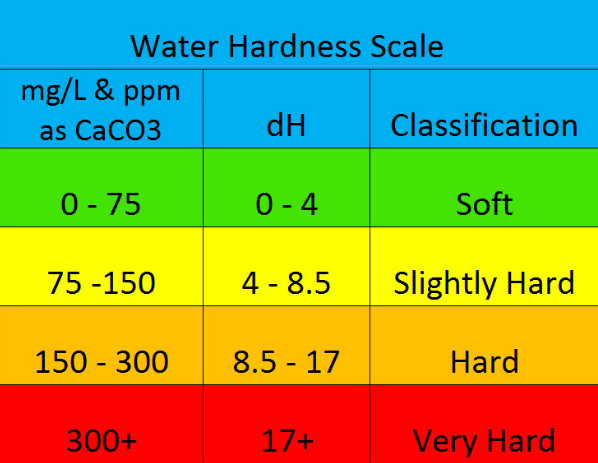 Water Hardness Test Methods - Testex
If your showerhead looks like it’s been dusted with powder, or your faucets have white rings, you’ve got a classic case of hard water. Fun fact: this same scale can clog pipes over time. Your plumbing is low-key complaining, but you just didn’t know it.
DIY Hardness Test Kits (For the Nerd Inside You)
You can buy a little test kit at the hardware store for, like, ten bucks. They usually come with a small vial and a dropper of liquid that changes color. You drop it into a water sample until the color shifts—from red to blue, or from yellow to green. It’s like a mood ring for your tap water.
The number of drops you use tells you the hardness in grains per gallon (GPG) or parts per million (ppm). Don’t get intimidated by the jargon—think of it as a score: 0–1 is super soft, 7+ is rock-hard. Most tap water falls somewhere in the middle, like a chill 3–7 range.
A Quick Trade-Off
Soft water feels silky and makes bubbles, but it can taste a bit flat or salty. Hard water has a crisp, mineral-rich taste—like a spa water, but with cleaner benefits for your bones. It’s all about what you prefer.
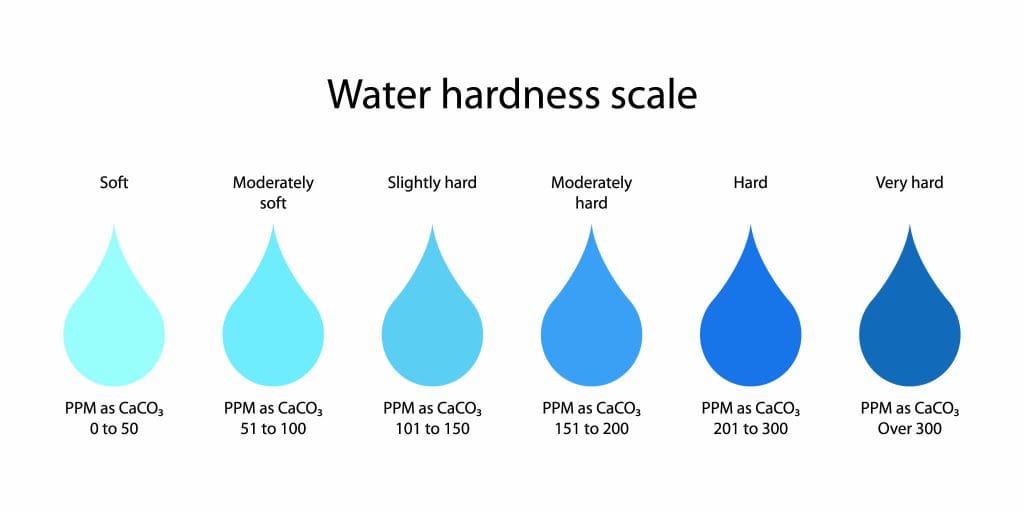 How To Tell If You Have Hard vs Soft Water: Differences Explained
Why It’s Actually Cool to Know This
Knowing your water hardness is like knowing your soil’s pH. It helps you choose the right soap, protect your appliances, and even adjust your baking recipes (yes, hard water can mess with dough!). It’s a tiny bit of detective work that makes you feel like a home scientist with zero lab coat required.
Plus, you’ll finally understand why that one friend’s skin feels so dry after a shower. It’s not the soap—it’s the water’s personality. Deep, right?
When to Call in the Pros
If your water leaves white streaks on your dishes or makes your hair feel like straw, a simple test can confirm your concerns. You can also ask your local water utility—they usually publish annual reports that list hardness levels. Free data, people!
And if it turns out you have very hard water (above 10 GPG), you might consider a water softener. But for most of us, it’s just a quirky fact about your home’s H2O. Embrace it, or fix it—the choice is yours.
So next time your soap won’t suds up, don’t get annoyed. Get curious. Grab a bottle, shake it, and listen to what your water is telling you. It’s just a little mineral-rich—and now you know exactly how to crack its code.
