Why Does My Water Taste Like Milk

Ever taken a big gulp of water, expecting that crisp, clean nothingness, only to get a mouthful that’s… milky? It’s weird, right? Your brain does a little double-take, wonderi...
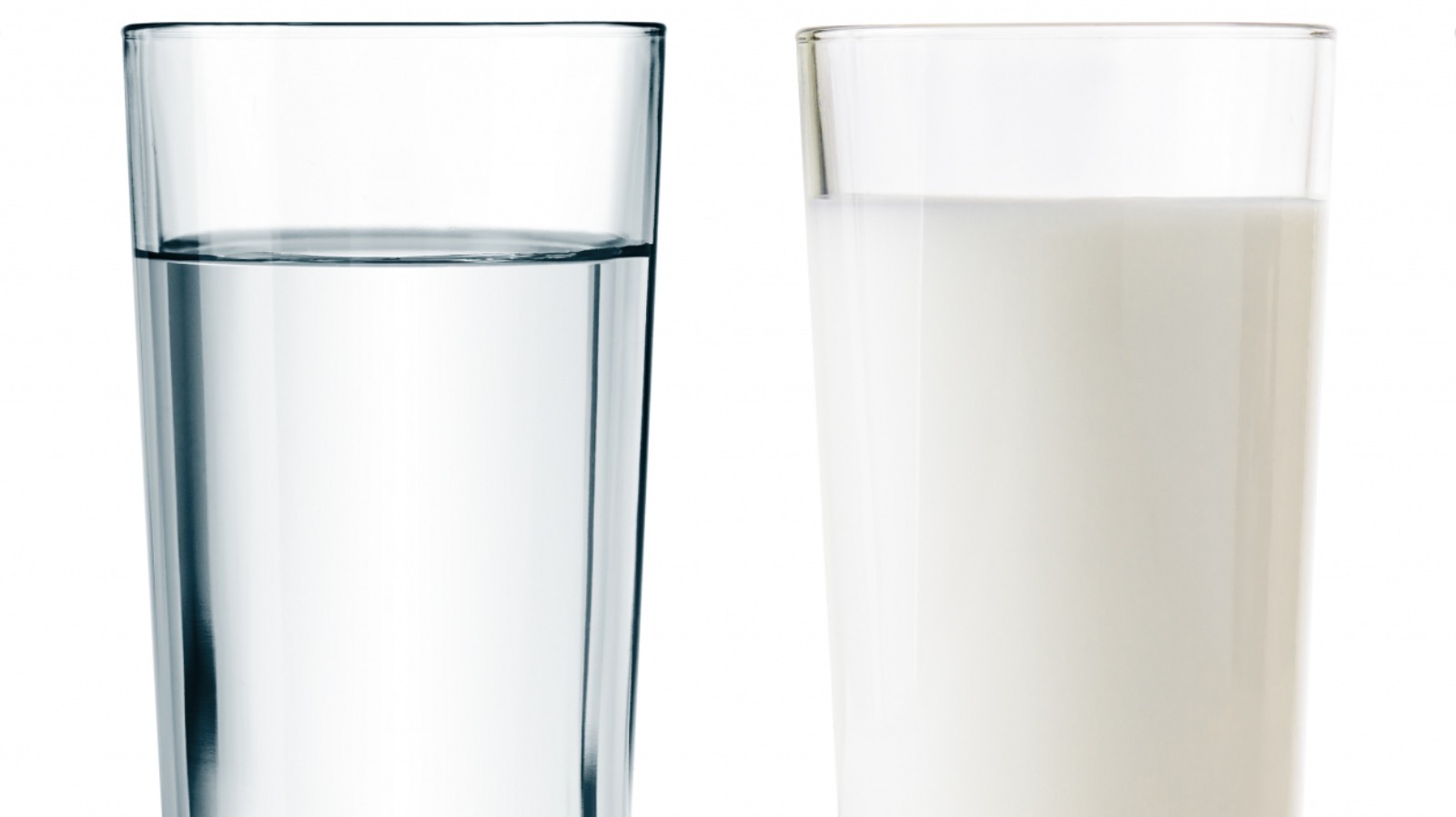
Ever taken a big gulp of water, expecting that crisp, clean nothingness, only to get a mouthful that’s… milky? It’s weird, right? Your brain does a little double-take, wondering if you accidentally poured a glass of milk instead.
But don’t worry, you’re not losing your mind. That creamy, slightly sweet taste in your tap water has a perfectly good explanation. And honestly, once you know why, it’s kind of fascinating.
The Usual Suspect: It’s All in Your Pipes
The number one reason your water tastes like milk is air. I know, sounds crazy, but hear me out. When water sits still in your pipes for a while—say, after you’ve been on vacation or overnight—tiny air bubbles can get trapped.
Must Read
These bubbles are so small they make the water look cloudy and taste flat or oddly smooth, like diluted milk. Think of it like shaking up a soda bottle: all that fizz needs to settle.
If you let the glass sit for a minute, those bubbles rise to the top and pop. The cloudiness clears, and the taste goes back to normal. Problem solved—unless it doesn’t disappear.
The Second Act: Minerals Making Magic
If the milkiness sticks around even after sitting, you’re likely dealing with hard water. This is water that’s rich in minerals like calcium and magnesium. You know how milk has a soft, heavy mouthfeel? Hard water can mimic that, just a lot more subtly.
Calcium and magnesium aren’t harmful—in fact, they’re good for you! But they can give your water a slightly creamy texture or a faint, sweet aftertaste. It’s like nature’s version of adding a tiny pinch of baking soda to your glass.
Compare it to a dusty limestone road after rain: the minerals dissolve and change the liquid’s character. Your water isn’t spoiled; it’s just hanging out with some rocky friends.
 Taste and Smell of Water Explained - YouTube
Is Your Water Sick? Nope, It’s Just Chemistry
Sometimes, the culprit is pH balance. Water that’s slightly more alkaline (higher pH) can taste smoother and less acidic than standard tap water. You ever taste those fancy bottled waters from Iceland? They’re super alkaline, and people describe them as “silky” or “creamy.”
Your own tap water might be naturally alkaline if it comes from a spring or well. Or your local treatment plant might adjust the pH to prevent pipe corrosion. Either way, it’s not a mistake—it’s a feature.
Here’s a fun comparison: think of lemonade (acidic, sharp) versus a glass of oat milk (alkaline, round). Your water is leaning toward the oat milk vibe. Kind of cool, right?
The Sneaky Third Option: Wasps in the Works?
Okay, this one sounds wild, but it’s a real thing. In some cases, a milky taste can come from a wasp or bee nest near your water system’s vent pipe. When the insects get inside, their bodies decompose and release proteins that smell and taste like milk gone faintly off.
Don’t panic—it’s rare. But if your water also smells slightly sweet or like honey, and the milkiness doesn’t clear up, it’s worth checking. Think of it as a weird plot twist in your plumbing’s mystery novel.
Usually, though, it’s just the air or minerals. The wasp theory is a fun fact to keep in your back pocket for dinner party conversation.
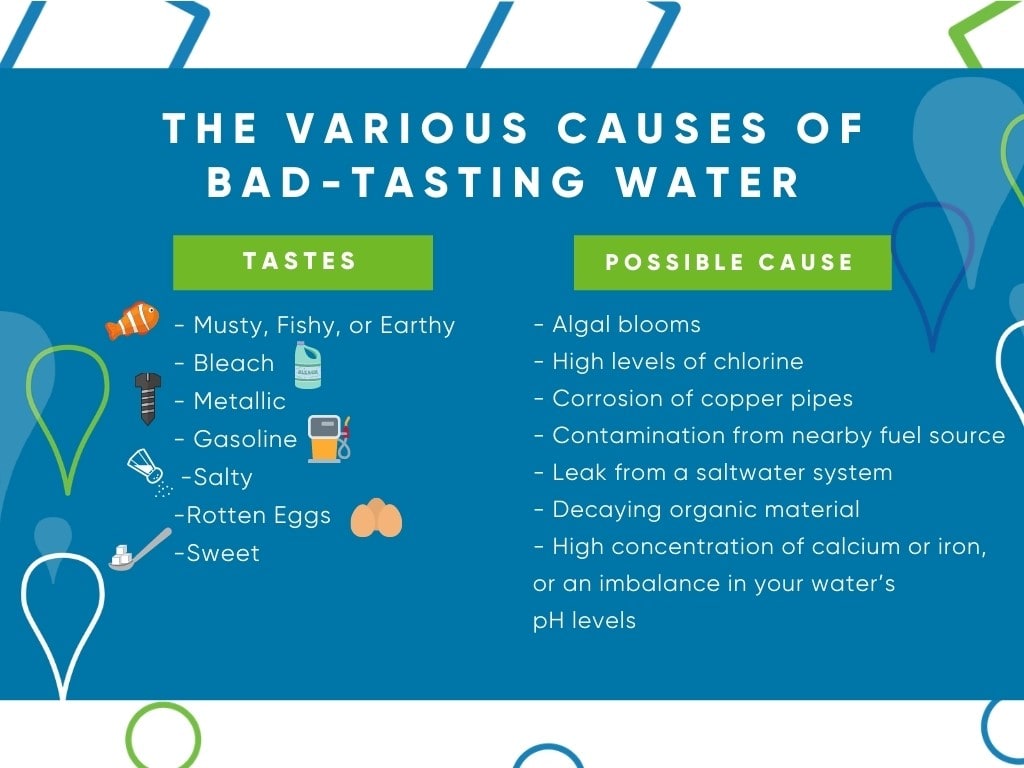 Bad Tasting Water? Here's How to Fix It! | Culligan Quench
Should You Be Worried? (Spoiler: No)
Unless your water smells like rotten eggs or tastes metallic, that milky flavor is almost always harmless. Your body knows how to handle a few extra calcium bubbles. In fact, many people prefer the taste of slightly mineral-rich water.
It’s like when your tap water has a hint of cucumber or melon? That’s just the minerals playing tricks on your tongue. You aren’t drinking a salad.
If you’re still skeptical, run your water for a minute before drinking—this flushes out the stale, air-trapped stuff. Or drop in a squeeze of lemon. The acid will neutralize any alkaline notes, and boom: back to neutral.
The Bottom Line: Embrace the Weird
Water is never just “nothing.” It’s a soup of minerals, gases, and memories of the ground it traveled through. That milky taste is just your tap water being honest with you about its journey.
So next time you take a sip and get that creamy surprise, don’t freak out. Give it ten seconds, watch the bubbles rise, and appreciate the tiny science experiment in your glass. You’re basically drinking a cloud—a very tiny, refreshing cloud.
And if you still hate it? Get a filter. But at least now you know the why. Pretty cool, huh?
