What Nutrients Does Water Contain

The other day, I was sweating like a sinner in church after a run, and I grabbed my water bottle. I chugged half of it, feeling righteous, until my friend looked at me and sai...

The other day, I was sweating like a sinner in church after a run, and I grabbed my water bottle. I chugged half of it, feeling righteous, until my friend looked at me and said, “You know that’s just empty calories, right?” Empty calories? I nearly choked. That got me thinking: does water actually have nutrients, or is it just the universe’s most boring beverage?
Spoiler alert: water isn’t as empty as your ex’s promises. It’s packed with minerals, but it depends entirely on where it comes from. Tap water, spring water, fancy bottled stuff—they all carry a secret little chemistry set.
First, the obvious: water is H₂O—but that’s just the base frame.
Think of pure H₂O as a blank canvas. The nutrients are the paint splatters, and they come from rocks, soil, and pipes. Yes, pipes. That metallic taste in your tap water? That’s iron, baby—and your body loves it for carrying oxygen in your blood.
Must Read
Most drinking water contains calcium and magnesium. These two are like the bouncers at the club of your bones and muscles. Without them, your heart would twitch like a caffeine addict at a silent meditation retreat.
Let’s talk about electrolytes—because water is basically nature’s sports drink.
You’ve heard of electrolytes from those neon Gatorade ads. Well, guess what? Plain water naturally has sodium, potassium, and chloride. These little guys regulate your nerve signals and keep you from fainting when you stand up too fast. (You’re welcome, spontaneous dizzy spells.)
If you drink mineral water—like Perrier or San Pellegrino—you’re getting bicarbonate too. That’s what gives it that zing and helps your stomach digest food. Fancy burps, anyone?
But wait—tap water has its own VIP list.
In most developed countries, municipalities add fluoride to prevent cavities. Yeah, the government is literally putting a nutrient in your water so your teeth don’t rot. Conspiracy theorists, calm down—it works. Fluoride is a mineral, and your enamel thanks you.
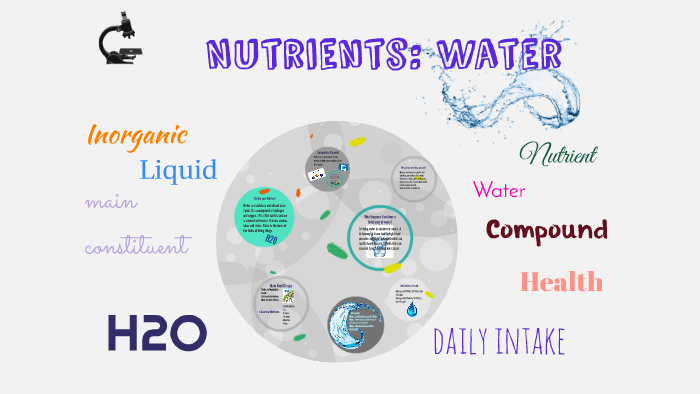 Water Nutrients
You might also find zinc and copper in trace amounts. These are the underdogs of the nutrient world. Zinc keeps your immune system from being a lazy slacker, and copper helps your body make red blood cells. Not bad for something that comes out of your faucet.
Now, here’s the ironic part: distilled water is actually nutrient-free.
That pure, squeaky-clean water you see in science labs? It’s been boiled until all the minerals are gone. Drinking it is like eating plain, unbuttered popcorn—technically hydrated, but your body will hate you. And it can actually leach minerals from your body over time. So don’t be a hero.
Spring water, on the other hand, is a mineral buffet. Depending on the source, you could be sipping silica (good for your hair and skin) or sulfate (helps your liver detox). Yes, your water bottle is basically a spa treatment.
But can you actually get enough nutrients from water alone?
Short answer: no, and don’t be ridiculous. Water is a supplement, not a meal. The calcium in one glass of tap water is like 1% of your daily needs—it’s a bonus, not a bailout. You’d need to drink a bathtub’s worth to replace food.
 Health Benefits Of Mineral Water – EXXUHB
That said, for people who live in hard-water areas (lots of calcium and magnesium), water can actually contribute a noticeable chunk of their daily intake. Ever notice how hard water leaves white crust on your kettle? That’s your future bones saying “thanks.”
Let’s not forget the elephant in the room: bottled water marketing.
Some brands slap “alkaline” or “pH-balanced” on the label like it’s a miracle cure. Newsflash: Your stomach acid is stronger than any fancy water. Alkaline water is just water with added bicarbonate—fine, but not magical. And those “vitamin waters” from the store are mostly sugar with a pinch of B vitamins. Don’t be fooled.
The real nutrient champ is raw, natural spring water from a trusted source. But since most of us can’t hike to a mountain every morning, your tap water—filtered or not—is doing just fine.
So, what’s the verdict?
Water contains a lovely mix of electrolytes, minerals, and sometimes fluoride. It’s not a multivitamin, but it’s far from empty. Next time someone calls it “nothing,” remind them that nothing doesn’t keep your heartbeat steady or your muscles from cramping.
And if you’re still worried, just eat a balanced diet and drink your water with a smile. Your hydration is more nutrient-rich than you think. Now go refill that bottle—your body’s running a silent auction for every mineral you’re about to drink.
