Does Catalytic Carbon Remove Vocs

You’ve just unboxed a brand-new sofa, and that “new smell” hits you. It’s not just a smell; it’s a chemical cloud of VOCs—volatile organic compounds. Suddenly, your living roo...

You’ve just unboxed a brand-new sofa, and that “new smell” hits you. It’s not just a smell; it’s a chemical cloud of VOCs—volatile organic compounds. Suddenly, your living room feels less like a sanctuary and more like a science experiment. You start googling air purifiers, and that’s when you stumble upon the term catalytic carbon.
The Short Answer: Yes, It Does
To put it simply, catalytic carbon is remarkably effective at removing VOCs. Unlike standard activated carbon, which traps molecules like a sponge, catalytic carbon destroys them. Think of it as a chemical ninja, silently breaking down pollutants at a molecular level.
This isn’t just a marketing gimmick. The “catalytic” part refers to a process where oxygen is introduced to the carbon filter, creating a reaction that turns VOCs into harmless carbon dioxide and water vapor. It’s like having a tiny, invisible incinerator for your indoor air.
Must Read
So, if you’re battling paint fumes, off-gassing furniture, or that lingering aroma from last night’s stir-fry, catalytic carbon is your new best friend. It’s the upgrade your lungs didn’t know they needed.
Activated vs. Catalytic: The Showdown
Standard activated carbon is a classic, like a vinyl record—good, but not always perfect for every job. It works by adsorption, where VOCs stick to its porous surface, but it can fill up quickly, like a sponge that can’t hold another drop.
Catalytic carbon, on the other hand, is the streaming service. It keeps working without becoming saturated because it doesn’t just store the VOCs; it transforms them. This means the filter lasts longer and performs better, especially in high-humidity environments where standard carbon fails.
In a side-by-side test, catalytic carbon can remove formaldehyde, ammonia, and benzene with ruthless efficiency. Think of it as the difference between sweeping dust under the rug and actually vacuuming it out of your house.
Where You’ll Find It (And Why It Matters)
You’ll see catalytic carbon in high-end air purifiers and specialized filtration systems. It’s the secret sauce in units designed for people with chemical sensitivities or those living in urban areas with heavy traffic pollution.
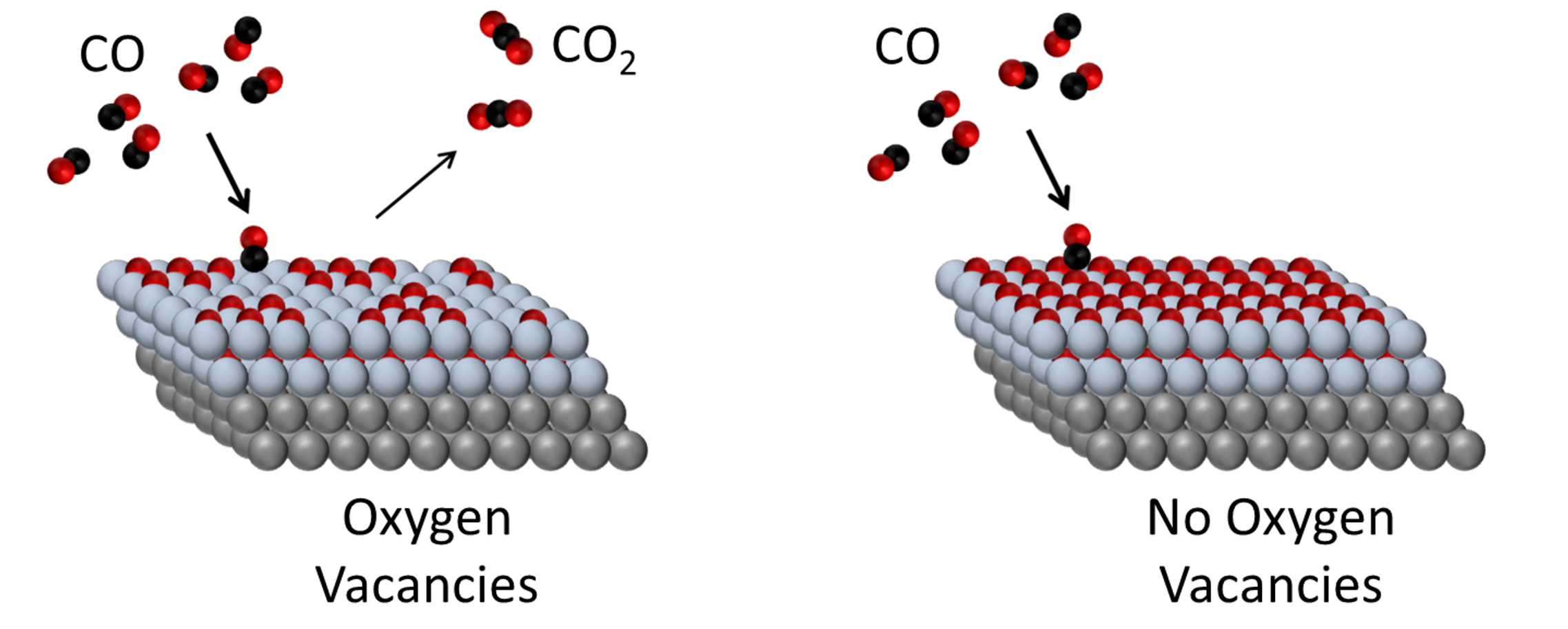 Convert Voc To Co2 Equivalent at Stephan Buckley blog
A fun little fact: NASA uses catalytic carbon technology in spacecraft to scrub the air of contaminants. If it’s good enough for astronauts floating 200 miles above Earth, it’s probably good enough for your Brooklyn apartment.
For the practical tip of the day: Look for purifiers that combine a HEPA filter with a catalytic carbon filter. HEPA catches particles like dust and pollen, while the catalytic carbon tackles the invisible gas warriors. It’s a one-two punch for clean air.
The Cultural Connection: Our Chemical Obsession
We live in a world addicted to “new.” New car smell, new carpet, new paint. But that scent is really a cocktail of VOCs like benzene and ethylene glycol. It’s the price we pay for modernity, but we don’t have to breathe it in forever.
Remember that scene in Fight Club where the narrator obsesses over his IKEA catalog? That same glossy, manufactured life comes with a hidden chemical cost. Catalytic carbon is the antidote to that cynicism—a way to enjoy modern comforts without the side effects.
Another fun fact: The term “catalytic” is the same as in your car’s catalytic converter. Just as your car converts toxic exhaust into less harmful gases, your air purifier can do the same for your living room. It’s automotive-grade technology for your home.
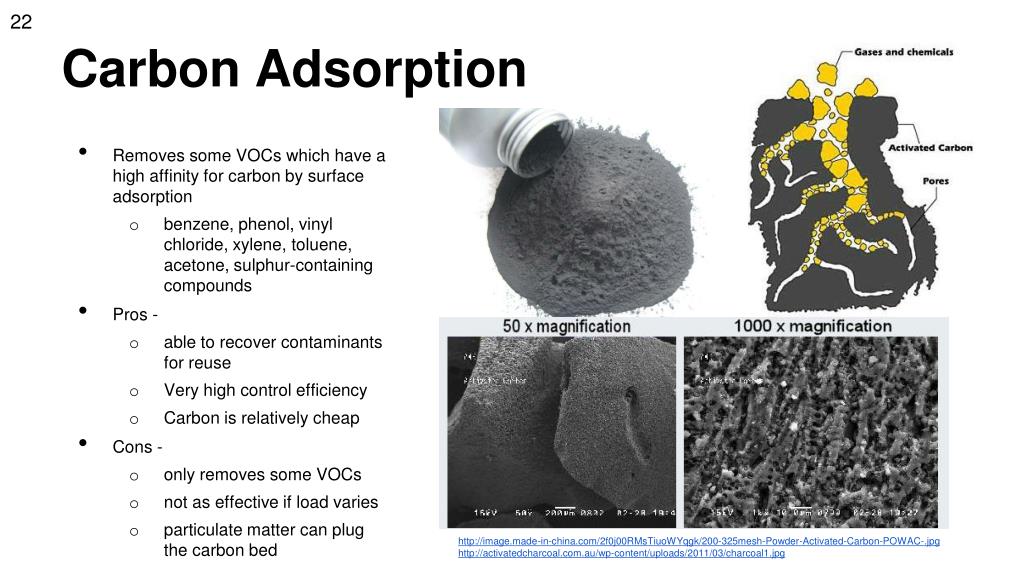 PPT - Air Pollution PowerPoint Presentation, free download - ID:1632331
Practical Tips for Maximum Performance
First, place your air purifier in the room where you spend the most time—usually the bedroom or living room. VOCs are heavier than air, so near the floor is ideal, but follow the manufacturer’s guidelines for best results.
Second, don’t skip on maintenance. Even catalytic carbon filters need replacement every 1-2 years, depending on usage. Set a calendar reminder, or you’ll be running a fancy paperweight that collects dust.
Third, pair your purifier with source control. Store paints and solvents in a garage or shed, and let new furniture off-gas in a well-ventilated area for a few days. The purifier is your cleanup crew, not a miracle worker.
A Reflection for Daily Life
In a world where we can’t control everything, we can control the air in our own four walls. Catalytic carbon isn’t just a filter; it’s a quiet rebellion against the invisible noise of modern living. It’s a reminder that small, smart choices can make a big difference in how we feel every single day.
So, the next time you walk into your home and take a deep, clean breath, thank the tiny molecules doing the heavy lifting. They’re not just removing VOCs; they’re giving you a little more peace, one purified breath at a time. And isn’t that what a home is all about?
