How Long Does A Water Bottle Last

So, you’ve got a water bottle. Maybe it’s that chic stainless steel one you bought for hiking. Or maybe it’s a sad, scratched plastic survivor from a 2017 conference. You’re p...
So, you’ve got a water bottle. Maybe it’s that chic stainless steel one you bought for hiking. Or maybe it’s a sad, scratched plastic survivor from a 2017 conference. You’re probably staring at it right now, sipping lukewarm water, and wondering: How long does this thing actually last?
The short answer? It depends. But let’s be real—you didn’t come here for a short answer. You came for the tea (or, you know, the water). So let’s break it down, one bottle type at a time.
Plastic Bottles: The Toxic Time Bomb?
Let’s start with the most common culprit: the plastic reusable bottle. These guys are everywhere—gym bags, office desks, car cup holders. But here’s the thing: plastic is a drama queen. It does not last forever.
Must Read
Most plastic bottles are made from #7 polycarbonate or #2 HDPE. Manufacturers say they last about 1 to 3 years with regular use. But that’s a lie if you treat them badly.
If you drop it, wash it in the dishwasher, or leave it in a hot car? The plastic breaks down. It starts leaching chemicals like BPA or phthalates. Gross, right? Your water starts tasting like a Tupperware party from 1995.
Here’s a rule of thumb: if your plastic bottle looks cloudy, scratched, or warped, it’s time to say goodbye. Toss it. Recycle it. Don’t cry over spilled… anything.
What About Disposable Plastic Bottles?
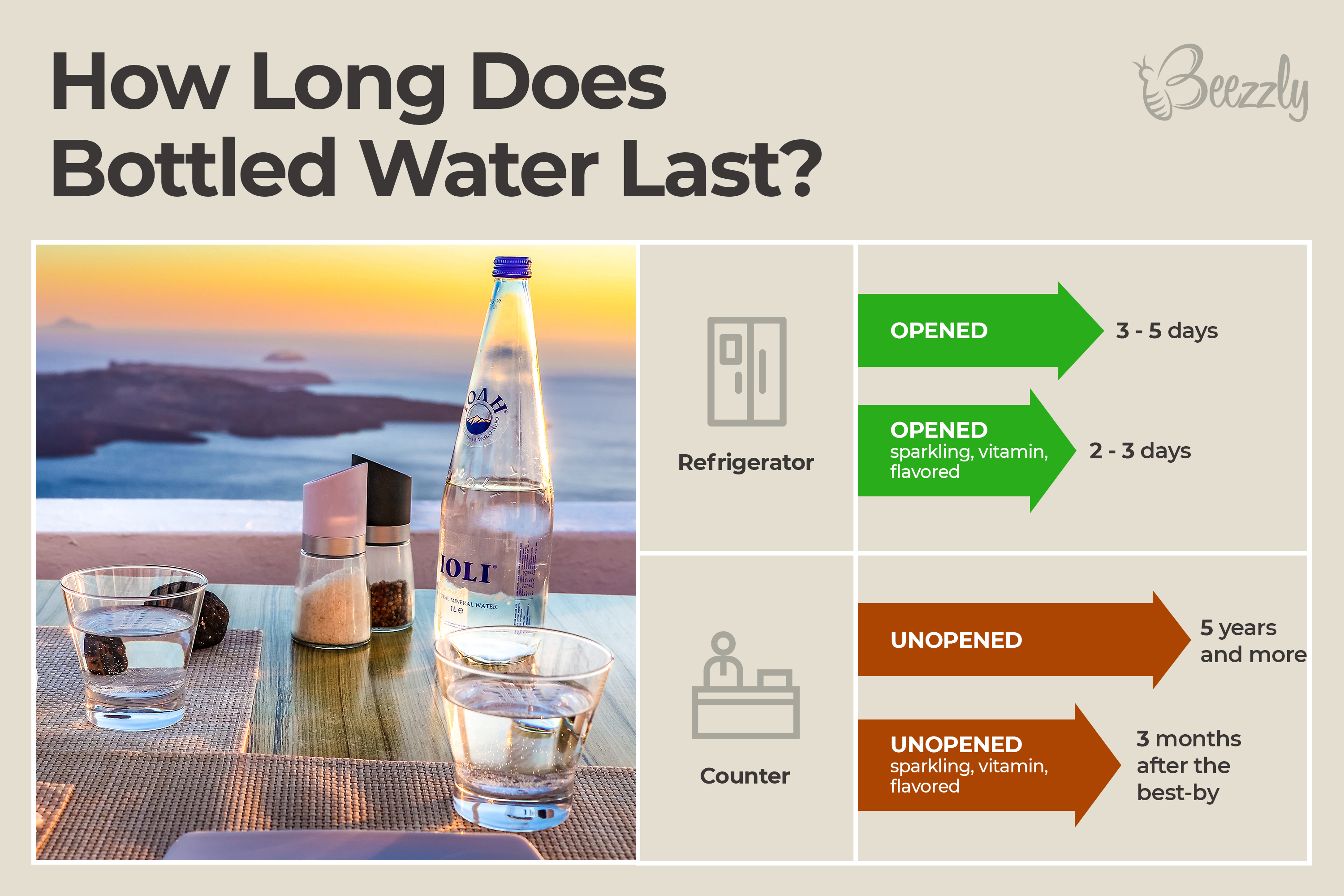
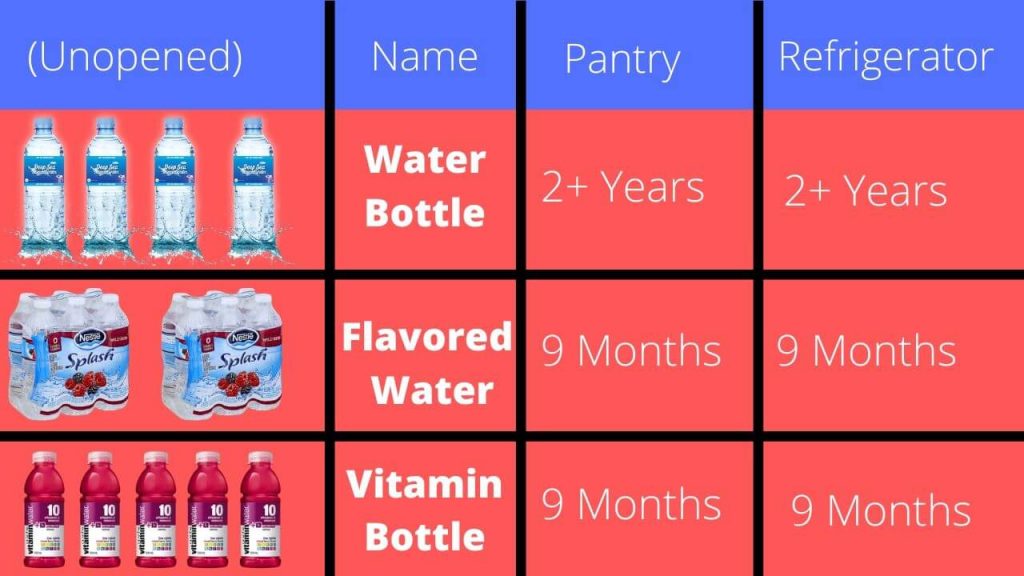
Oh, you mean the single-use water bottles? Yeah, those are a whole different beast. They’re designed for one trip, one sip, one life. Manufacturers say they last about 2 years if left unopened in a cool, dark pantry.
But open one? Drink from it? Reuse it? That bottle has a shelf life of about a week before bacteria throw a party inside. And trust me, you don’t want to attend that party. The flavor will be… funky. The science? It’s real. Just don’t do it.
Stainless Steel: The Tank of the Water World
Now we’re talking. Stainless steel bottles are the Iron Man of hydration. They can last 5 to 10 years, sometimes even longer if you’re not a total goblin with it. Why? Because metal doesn’t degrade like plastic. It doesn’t leach, it doesn’t scratch super easily, and it keeps your water cold (or hot) for hours.
 How Long Does Bottled Water Last? Is Bottled Water Safe after Its
But there’s a catch: the insulation layer. Double-walled bottles have a vacuum seal inside. If you drop it hard enough, that seal can break. Suddenly your bottle doesn’t keep ice for 24 hours—it keeps it for 20 minutes. That’s not great.
Also, look at the mouthpiece or lid. Those rubber seals dry out after 2 to 3 years. They crack, they leak, they betray you. You can buy replacement lids, though. So technically, the body lasts forever. The lid is the traitor.
Glass Bottles: The Elegant Drama Queen
Glass bottles look so pretty on Instagram. They feel heavy and premium. But let’s be honest: glass is terrifying. It will last indefinitely if you never drop it. But you’re human. You will drop it.
A glass bottle can survive years of gentle use. No leaching, no weird tastes, no odor absorption. It’s perfect for water—until it meets your tile floor. Then it becomes confetti.
The silicone sleeves help, sure. But those sleeves get grimy and stretch out after a year. Replace the sleeve, and the bottle lives on. Until you drop it again. Glass: forever in spirit, fragile in reality.
Aluminum Bottles: The Lightweight Underdog
Aluminum is that friend who looks cool but has a secret. It’s light, it’s durable, but it’s often lined with plastic. Yes, most aluminum bottles have an epoxy lining inside to stop the metal from reacting with your water. And that lining wears out in 2 to 4 years.
 How Long Does Water In Plastic Bottles Last | Detroit Chinatown
Once the lining cracks, your water tastes like a tin can. Actually, it smells like one too. If you notice a metallic odor, that’s your cue to replace it. Aluminum bottles themselves can last longer, but the tasteless experience? Gone.
The Harsh Truth About Hygiene
Here’s a secret nobody tells you: your water bottle doesn’t die from age. It dies from your bad habits. You put it in your gym bag next to sweaty socks. You leave it in the car. You only rinse it with water after a week of neglect. Bacteria loves that.
A well-maintained bottle—washed with soap daily, dried upside down—can outlive its estimated lifespan. A neglected one becomes a science experiment in 3 months. I’ve seen mold that looked like a chia pet. Don’t be that person.
So, When Do You Replace It?
Here’s my totally unscientific but practical checklist. Replace your bottle if: it smells funky after washing, it has cracks or dents, the lid doesn’t seal, or the material feels weird. Also, if you dropped it from a height and heard a suspicious thud, replace it. Your taste buds will thank you.
For plastic: every 1-2 years. For stainless steel: every 5-8 years. For glass: when you smash it, which could be tomorrow. For aluminum: every 3-4 years, or when your water tastes like a garage sale.
The Final Sip
Look, your water bottle is not a forever friend. It’s a tool. A glorious, hydration-giving tool. But it wears out. The perfect bottle lasts until you stop using it—or until it becomes gross. So check it. Smell it. Love it while it lasts.
And for goodness’ sake, if your bottle is older than your last major breakup, go buy a new one. You deserve water that doesn’t taste like regret. Cheers to that, my hydrated friend!
