Does Water Filtration Remove Lead

Alright, grab your mug. Let’s talk about something that sounds boring but is actually kind of scary: lead in your water. You’ve probably heard the warnings. Flint, Michigan. O...
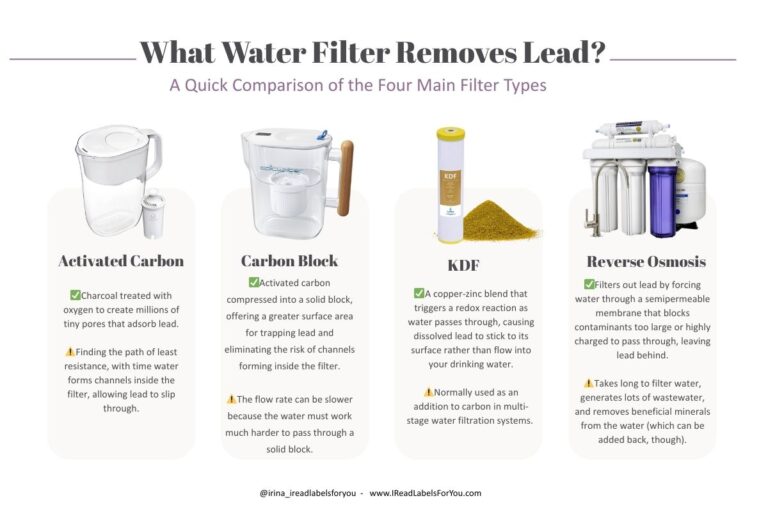
Alright, grab your mug. Let’s talk about something that sounds boring but is actually kind of scary: lead in your water. You’ve probably heard the warnings. Flint, Michigan. Old pipes. Brain development stuff. It’s enough to make you want to move to a mountain stream. But since most of us don’t have a mountain handy, we buy water filters. The big question is: does water filtration actually remove lead? Or are we just buying fancy plastic cups?
Let me save you some Googling: Yes, but it depends on the filter. I know, I know. That’s not a satisfying answer. You want a blunt “yes” or a dramatic “no way, you’re doomed.” But water filtration is like dating—specific types work for specific problems. A Brita pitcher isn’t going to solve your lead issues. Sorry to break it to you. But a good carbon block filter? That’s a whole different story.
The simple science (no lab coat required)
Lead doesn’t just dissolve into water like salt. It comes from old pipes, solder, or fixtures. It’s a heavy metal, and it’s sneaky. Sometimes you can’t taste it, see it, or smell it. That’s the spooky part. So filtration has to be really good at grabbing tiny particles.
Must Read
Most cheap pour-through pitchers use basic activated carbon. They’re great for making your water taste less like a swimming pool. They remove chlorine, some bad tastes, and maybe a little sediment. But lead? Nope. Those little charcoal pellets just aren’t smart enough to catch it. They’re like a goalkeeper who’s napping on the job.
What you need is a filter with ion exchange or specialized media. Think of it as a microscopic magnet. It literally swaps harmless ions for the bad lead ions. Some filters also use a catalytic carbon that bonds heavy metals to its surface. It’s like flypaper for toxic stuff. Fancy, right?
Which filters actually work?
Here’s the cheat sheet for your next Amazon binge. Certified filters are your best friend. Look for NSF/ANSI Standard 53 or Standard 58 on the box. Those letters mean the filter was tested and actually removes lead—sometimes up to 99% of it. If it doesn’t say that, it’s probably just glorified tap water in a different container.
Activated carbon filters can work, but only the high-quality ones. Think of brands like ZeroWater, Berkey, or certain Pur models. But even then, you have to change them on time. A clogged filter becomes a pass-through for all the junk you wanted to avoid. It’s like wearing a raincoat with a hole in it. You think you’re safe, but surprise! You’re wet and angry.
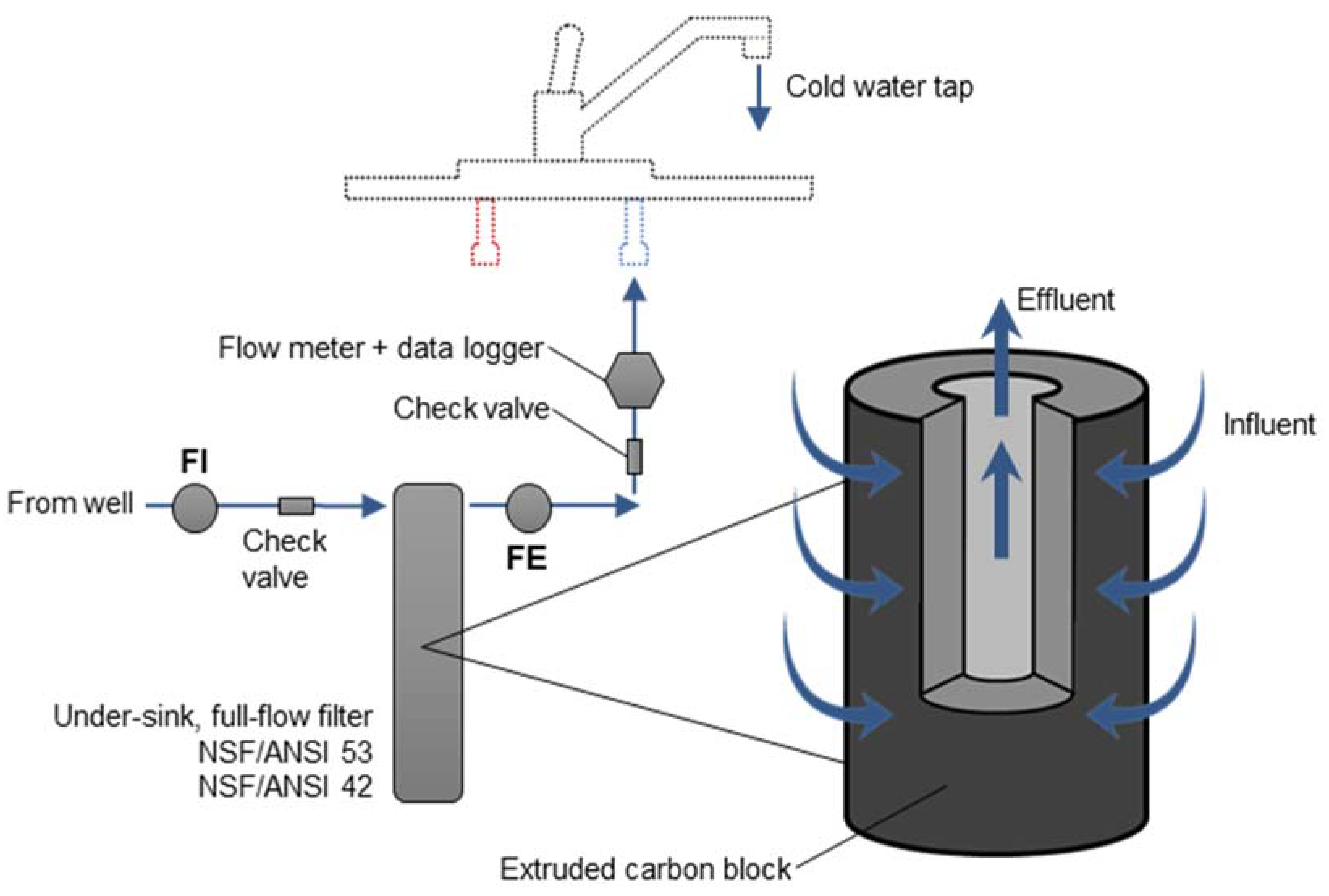 Under-Sink Activated Carbon Water Filters Effectively Remove Lead from
Reverse osmosis systems are the heavy hitters. These babies remove everything, including lead. They’re also expensive, take up space under your sink, and waste a lot of water. But if you have serious lead levels? They’re the hammer for that nail. Just don’t expect your landlord to pay for one. They’ll laugh and hand you a Brita from the dollar store.
The scary part: lead doesn’t care about your old filter
Here’s where it gets personal. If your house was built before 1986 (and many were!), you probably have lead solder or pipes. That means lead can leach into your water all the time. It’s not a “once in a while” problem. It’s a “when will it hit you” problem. So yes, filtration matters—but only if you use the right tech.
A lot of people think, “I’ll just boil my water.” Nope. Boiling does not remove lead. In fact, it can concentrate it because water evaporates and leaves the lead behind. You’d just be making lead soup. Not the comforting kind of soup. Please don’t do that.
And those expensive faucet-mounted filters? They’re hit or miss. Some are certified, some are just plastic with charcoal. Always check the fine print. The box will say “reduces lead” in tiny letters, but that could mean 10% reduction. That’s like saying “this umbrella keeps you dry… except in rain.” Useless.
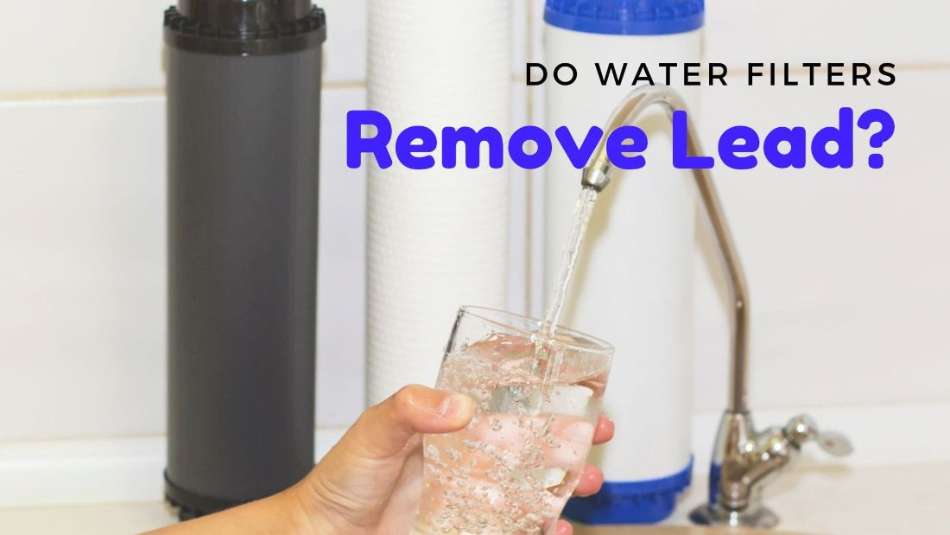 Does Soma Water Filter Remove Lead at Carol Greig blog
So what should you actually do?
First, get your water tested. Don’t guess. You can buy a home test kit or call your local water utility. Some cities even offer free testing. If you find lead, don’t panic. You have options. A certified countertop filter is a solid middle ground—not too expensive, good performance. Just switch the cartridge every 3 to 6 months. Set a reminder on your phone. Your future self will thank you.
If you’re renting, you can buy a standalone pitcher with a lead-certified filter. ZeroWater and Clearly Filtered are decent bets. They’re not cheap, but neither is a doctor’s visit for heavy metal poisoning. And please, don’t use those “stainless steel” countertop distillers. They remove lead but also remove everything, including healthy minerals. You don’t want to drink distilled battery acid. Well, you know what I mean.
Finally, remember that old pipes are the root cause. Even the best filter can’t fix a house full of lead solder. If you own your home, consider repiping. Yes, it’s expensive. Yes, it’s a hassle. But it’s a one-time fix. You’ll never have to wonder if your water is safe again. Plus, you’ll impress your friends with your fancy new copper pipes.
So, to answer the original question: Does water filtration remove lead? Yes, if you buy the right filter. No, if you buy a cheap one. And absolutely not if you just shake a coffee filter over your cup and hope for the best. Trust me, I’ve tried that. It doesn’t work. Coffee grounds everywhere. Lead still there. Double oops.
Drink safe, my friend. And maybe skip the lead test for a nice, filtered glass of water right now. You’ve earned it.
