What Does It Cost To Drill A Well

So, you want to drill a well. Maybe you’re tired of your water bill, or perhaps you’ve decided to become the underground ruler of your own aquifer. Either way, you’re about to...
So, you want to drill a well. Maybe you’re tired of your water bill, or perhaps you’ve decided to become the underground ruler of your own aquifer. Either way, you’re about to discover that getting water from the ground is less “magic spring” and more “very expensive lottery.” Let’s talk money, mud, and machines that sound like angry dinosaurs.
The Sticker Shock (or, How Much for a Hole?)
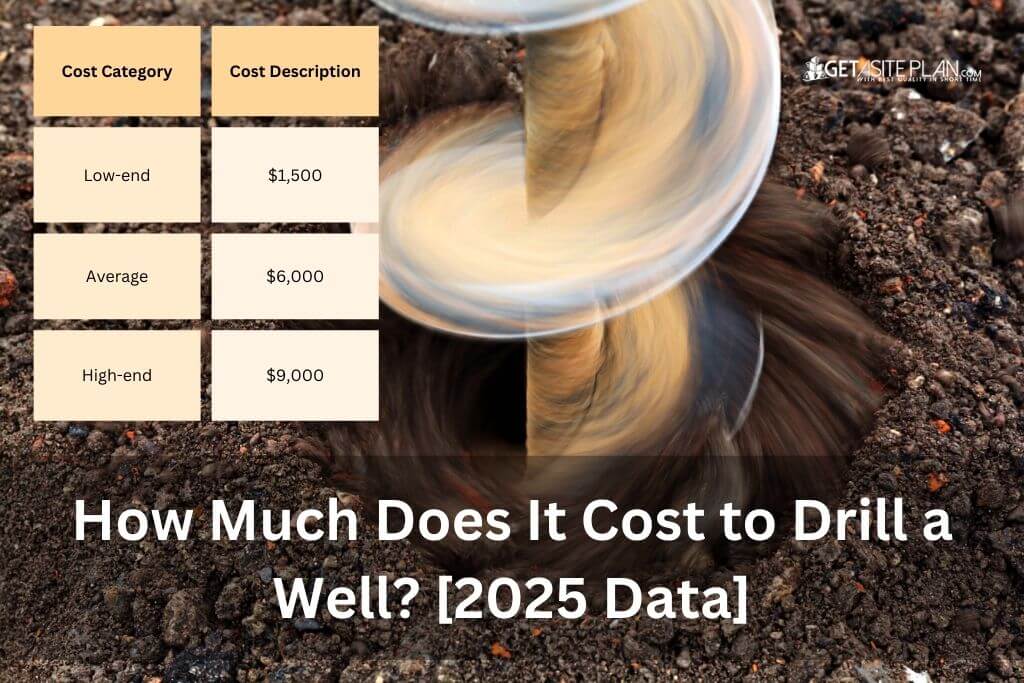
The short answer? You’re looking at anywhere from $5,500 to $15,000 for a standard residential well. But like a bad Tinder date, the final price can double before you know what hit you. A shallow well for a summer cottage might cost you the price of a used sedan, while a deep agricultural monster could swallow the cost of a luxury SUV.
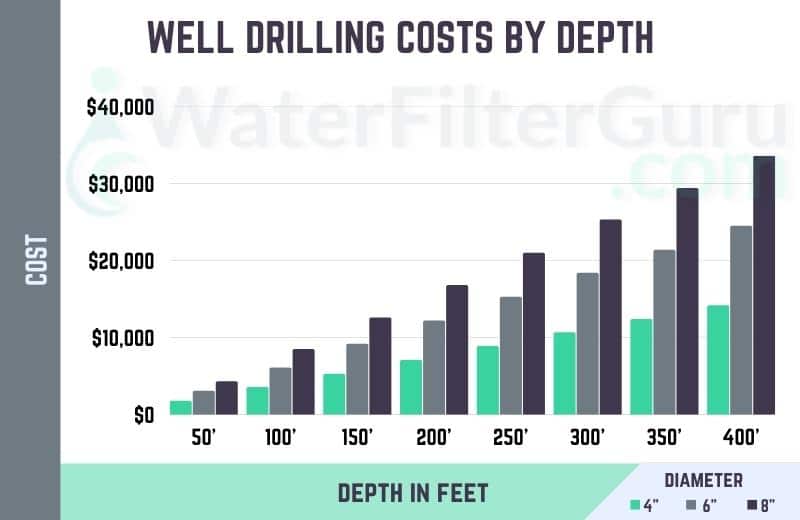
Here’s the wild part: the deeper you go, the more expensive it gets, and I mean exponentially. The first 100 feet might cost you $30 per foot, but the next 100 feet? That could jump to $50 or more, because you’re now asking a drill bit to chew through ancient bedrock while you’re sipping coffee on the surface.
Must Read
Breaking Down the Madness (Per Foot Pricing)
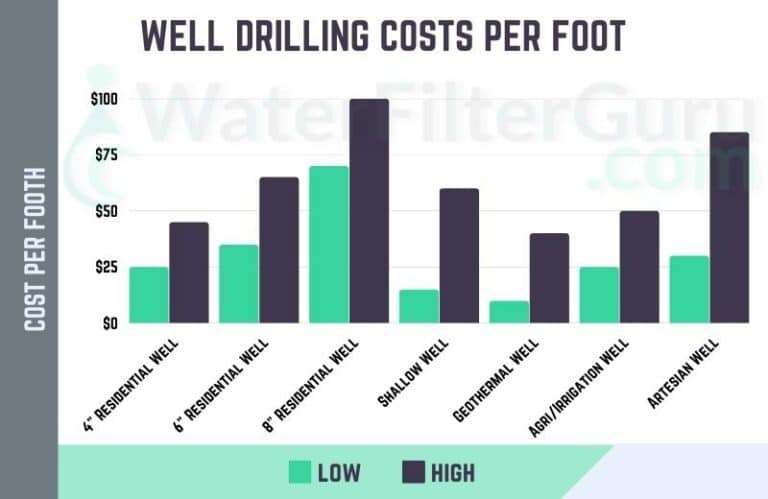
Most drillers charge by the foot, which sounds fair until you realize you have no idea how far down the water is. You’re essentially paying for a mystery tube. Typical rates range from $25 to $65 per foot, but that’s just for the hole.
Then come the extras: the well casing (a steel or plastic pipe that keeps your hole from collapsing like a bad soufflé) costs $10 to $30 per foot. And let’s not forget the well screen, a fancy filter that keeps gravel and dead bugs out of your drinking water. You laugh, but that screen is crucial.
Surprising fact: In some areas, you’re legally required to hire a geologist to interpret the drill cuttings. That’s right—you pay someone to look at wet rocks and say, “Yep, that’s wet rock,” and earn more per hour than your plumber.
The Secret Fees That Swim Upstream
You thought the hole was the whole bill? Oh, you sweet, naive summer child. After drilling, you’ll need a pump, a pressure tank, and wiring that won’t electrocute your cat. A standard submersible pump can run you $1,000 to $3,000, and a fancy variable-speed pump is like buying a jet engine for your backyard.
 Digging a Well - How To, Regulations and Permits - GetASitePlan
Then there’s the grouting—filling the gap between the casing and the surrounding dirt with cement. This stops your neighbor’s septic tank from flowing into your drinking water. Yes, that’s a real worry. Fun fact: The EPA says you need 18-inch deep grout seals in some areas. That’s enough cement to fill a bathtub, but you can’t bathe in it.
And don’t forget the permitting fees. Some towns charge a modest $100. Others require a full environmental impact study that costs more than the well itself, plus a meeting where you explain to a board of retirees why your desire for a lawn isn’t an act of ecological terrorism.
When the Earth Says “No”
Here’s the joke that isn’t funny: You might drill 400 feet and get nothing but dry dust. This is called a dry well, and it costs you every penny. Some contractors offer a “guaranteed water” clause, but that jacks the price up by 50%.
What about water quality? You strike water, but it smells like rotten eggs (hydrogen sulfide) or turns your white shirts orange (iron). Congratulations, you now need a $2,000 water treatment system. It’s like buying a car and then realizing you also need tires, an engine, and a steering wheel.
 How Much Does a Well Cost? (2024 Well Drilling Cost Guide)
The average well in the U.S. lasts 30 to 50 years, but the initial pain is real. I’ve seen people mortgage their home equity for a hole in the ground. The first glass of water tastes like victory and regret.
Surprising Fact: You Might Hit a Gusher (or an Underground River)
Believe it or not, some homeowners hit artesian wells where the water shoots up under natural pressure. It’s like winning a hydro-geological jackpot—no pump needed, just pure gravity joy. But then you’re legally required to manage that pressure, which means more valves, more fees, and a very confused neighbor.
In Texas, drillers once hit a pocket of hot water at 1,000 feet, and the homeowner accidentally created a personal geothermal spa. That would be awesome, but in practice, you now have a thousand-dollar problem: too much heat means your plumbing needs special insulation.
Here’s the takeaway: Drilling a well is not for the faint of wallet. Always get multiple quotes, ask if they include everything (casing, pump, grouting, and the inevitable “emergency donut run”), and prepare for the possibility that the ancient aquifer under your yard is a capricious, expensive sprite. But once it’s done, you have free, independent water forever—or at least until the next drought, or when your pump motor eats a rock.
Now go hydrate with a sense of humor. You’re going to need it.
