Does Shower Filters Actually Work

Let’s be honest: your morning shower is a ritual of modern magic. It washes away sleep, wakes up your skin, and offers ten minutes of peace before the world demands attention....
:max_bytes(150000):strip_icc()/rsp-tier-3-detail-aquabliss-revitalizing-shower-filter-ebrockob-001-1-3d6de99bbd174b18b5fe033250bf7a36.jpeg)
Let’s be honest: your morning shower is a ritual of modern magic. It washes away sleep, wakes up your skin, and offers ten minutes of peace before the world demands attention. But lately, maybe your hair feels a little straw-like, your skin a bit tight, or that “fresh-from-the-tap” smell has started to nag at you. Enter the shower filter, the sleek, screw-on hero promising to transform your H2O into a spa-worthy elixir. Does it actually work, or is it just another pretty piece of plastic?
The short answer is yes, but with a few important caveats. A standard shower filter is essentially a physical barrier and a chemical sponge. It targets the usual suspects: chlorine, chloramines, sediment, and heavy metals like copper and zinc. If you live in a city with heavily treated water, that chlorine smell isn’t just in your nose—it’s reacting with your skin’s microbiome, potentially stripping natural oils and irritating eczema-prone patches.
These filters, typically containing activated carbon (think a Brita pitcher for your whole body), are excellent at grabbing chlorine. They also throw in a dose of vitamin C or KDF media (a fancy copper-zinc alloy) to neutralize chloramines. The result? Your shower water becomes less like a public pool and more like a mountain spring. Your skin feels softer because the chlorine isn’t aggressively drying it out, and your hair might hold onto its moisture and shine.
Must Read
The “But” You Need to Know
Before you rush to Amazon, understand this: a typical shower filter is not a whole-house water softener. It won’t remove “hardness” (calcium and magnesium) that causes white spots on your glass door or that grimy feeling on your skin. It’s a specialist, not a general contractor. If hard water is your primary enemy, you need a salt-based softener installed at the main line, not a little filter on your showerhead.
Another reality check: the flow rate. Some budget filters can reduce water pressure to a sad, drizzly trickle. Look for filters with a high flow rate (think 2.0 GPM or more) to avoid feeling like you’re showering under a leaky faucet. Also, remember that filters are finite—most last six months or 10,000 gallons. If you forget to swap the cartridge, you’re just showering through a glorified clog.
A Cultural Shower Safari
This isn’t a new-fangled Silicon Valley trend. In Japan, many homes have advanced filtration systems at the point of use, treating shower water as seriously as drinking water. Meanwhile, in the UK, where water is famously hard in places like London, shower filters have been a bathroom staple for decades. Fun fact: the ancient Romans piped water through lead pipes and added olive oil to their skin for barrier protection. We’ve come a long way, but we still need a little help from modern plumbing.
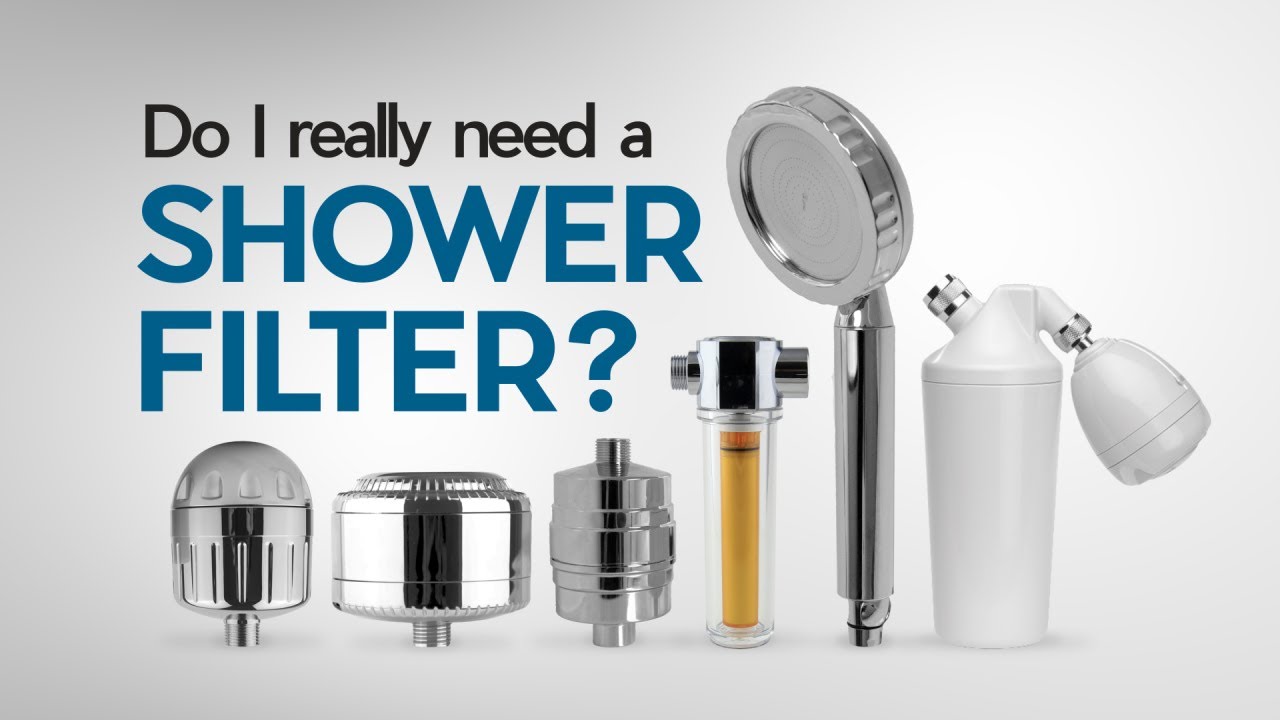 Do I Really Need a Water Filter for My Shower? - YouTube
Ever notice that your skin feels “squeaky clean” after a hotel shower? That’s often because they use whole-house water softening, combined with high-end filtration. That squeak is actually your soap reacting with hard minerals, leaving a residue. A shower filter reduces that residue, so you actually feel “clean” in a softer, less stripped way. It’s like the difference between a factory-fresh grape and a dried-out raisin.
Practical Tips for the Shower Warrior
First, test your water. A simple home kit from a hardware store can tell you if chlorine or hardness is your culprit. If chlorine levels are high, a filter is a no-brainer. Choose a filter with a clear housing—you’ll see the media darken over time, which is an oddly satisfying visual of it doing its job. Install it between your shower arm and the head; most models take less than five minutes with a wrench.
Second, change the cartridge on time. Write the date on the filter with a Sharpie, or set a phone reminder. A spent filter can actually harbor bacteria if left too long, turning your wellness upgrade into a petri dish. Lastly, consider a model with a “shut-off” valve—it might save you a few dollars on replacements by letting you conserve water when lathering up.
 30 Stage Shower Filter with Vitamin C E for Hard Water - High Output
The Aesthetic Argument
Let’s not ignore the vanity factor. Many shower filters come in sleek matte black, brushed nickel, or polished chrome. They look like architectural details on a set for a Netflix wellness documentary. Plus, they often include a built-in spray pattern selector (rain, mist, massage), which is basically permission to linger for an extra three minutes. Who says self-care can’t be about hardware?
And about that vitamin C filter: while it’s great for chlorine neutralization, it doesn’t provide much skin-absorbable vitamin C. You’re better off eating an orange. But it does help reduce the byproducts of chlorine reaction, which is still a win for your respiratory system and skin barrier. So think of it as a preventive measure, not a skincare product.
A Final, Gentle Reflection
Your shower is the last private space of the day. It’s where you process thoughts, sing badly, or just stand under warm water and breathe. Adding a filter isn’t about fixing something broken—it’s about softening an edge. It’s a small investment in the sensory quality of your daily routine. The water feels smoother, the air smells cleaner, and your skin stops sending you angry little reminder texts.
So, does a shower filter actually work? In the same way a good pair of socks makes a walk better, or a clean sheet makes a bed feel like a cloud. It doesn’t save the world, but it saves your morning. And that’s a kind of magic worth installing.
:max_bytes(150000):strip_icc()/rsp-tier-3-detail-aquabliss-revitalizing-shower-filter-ebrockob-001-1-3d6de99bbd174b18b5fe033250bf7a36.jpeg&description=Does+Shower+Filters+Actually+Work)